Choosing the Right CNC Mill Machine for Your Workshop Needs
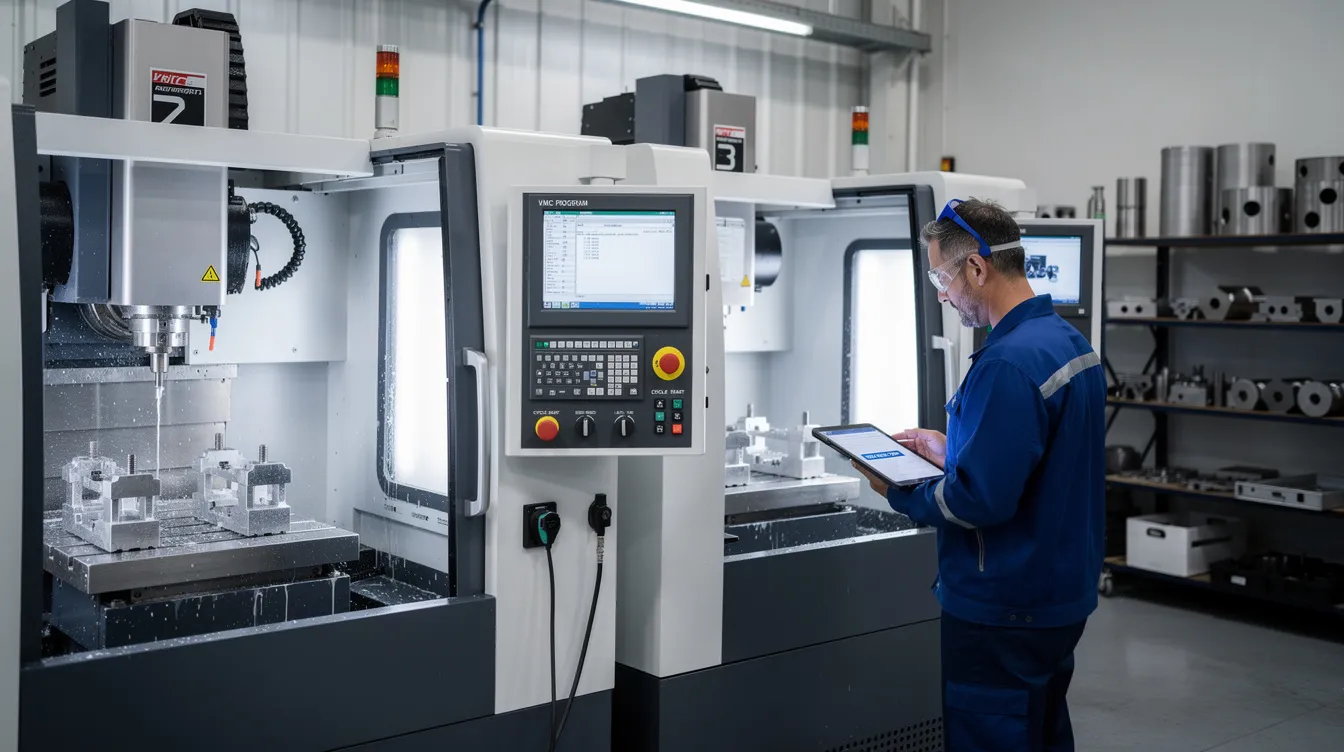
CNC Mill Machine: Choosing the Right Vertical Machining Centers for Your OEM Parts
If you’re sourcing precision metal or plastic components for your next project, understanding what a cnc mill machine can do-and which type fits your requirements-will save you time, money, and engineering headaches. This guide walks you through machine types, key components, tolerances, materials, and how to evaluate a machining partner that delivers.
Quick Answer: Is a CNC Mill Machine Right for Your Project?
A cnc mill machine uses rotating cutting tools to remove material from a workpiece, producing functional parts with tight tolerances and repeatable quality. The CNC milling process is a subtractive manufacturing method, and it remains the dominant way most OEM metal parts are produced today. CNC milling automates the process of cutting materials with a high degree of accuracy, making it an excellent choice for everything from one-off prototypes to 100,000+ annual production volumes.
CNC milling provides superior precision compared to manual milling methods, and modern CNC mills can cut a range of materials including metals, plastics, and wood. Here’s when cnc milling is the right fit:
-
Complex 3D contours that require multi-axis toolpath control
-
Tight tolerances from ±0.005 mm to ±0.01 mm on critical features
-
Short cycle times with automated tool changes and optimized feeds
-
Repeatable quality across batches of identical parts
-
Diverse materials such as aluminum, stainless steel, titanium, brass, and engineering plastics
Anebon Metal Products Limited is a China-based precision CNC shop (ISO 9001:2015 & ISO 14001:2015 certified) serving overseas OEM customers since 2010. We offer rapid quoting, free DFM support, and production capabilities from rapid prototyping through full-scale delivery.
Ready to get started? Send your STEP or IGES files to our engineering team for a same-day cnc milling quote.
What Is a CNC Mill Machine? (Core Concepts)
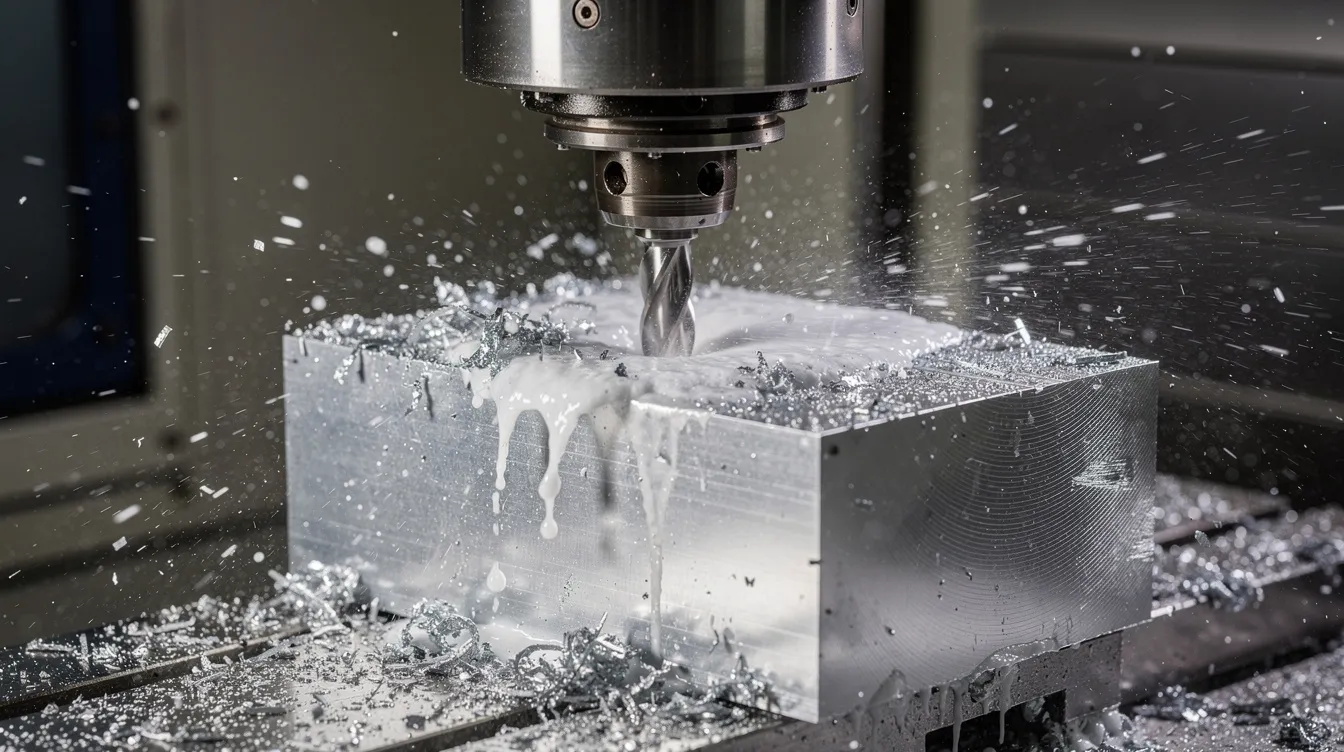
At its core, cnc milling is computer-controlled rotary cutting that removes material from solid stock-aluminum, steel, titanium, engineering plastics, and more. CNC mills use rotating cutting tools to remove material from a workpiece, following pre-programmed digital instructions based on CAD/CAM files.
The basic machine structure includes a heavy cast-iron base that absorbs vibration, a spindle that holds and rotates the cutting tool, a worktable that secures the workpiece, and three linear axes: X (left-right), Y (front-back), and z axis (up-down). In most vertical machining centers, z axis movement controls the depth of cut.
CNC controllers interpret G-code toolpaths generated by CAD/CAM software, managing feed rates, spindle speed, automatic tool changes, and coolant delivery. CNC mills often operate on a 3-axis system to handle complex geometries, and they can execute intricate curves, contours, and 3D geometries that would be impractical by hand.
Compared to manual knee mills, CNC machines deliver far better accuracy, repeatability, and throughput. Once programmed, a CNC mill can produce multiple parts with zero variation-critical for OEM production runs where consistency across hundreds or thousands of parts matters.
At Anebon, typical part sizes range from electronics housings up to 800 × 500 mm down to medical device components under 50 mm in characteristic dimension.
Types of CNC Milling Machines (Vertical, Horizontal, and 5-Axis)
There is no single “best” cnc mill machine. The right choice depends on part geometry, material hardness, required tolerances, and production volume. That said, vertical machining centers are more common than horizontal mills across most OEM shops because they balance cost, capability, and ease of use.
Vertical Machining Centers (VMCs) in Detail
A typical VMC configures its axis layout with X/Y table motion and z axis spindle motion. Mid-size models offer travels around 800 mm × 500 mm × 500 mm, while machines like Kent USA VMCs have working capacity options up to 39.4″ x 19.7″ x 20.5″. Vertical machining centers are easier to program than horizontal ones, and they require less floor space-making them a practical choice for any shop.
To put size in perspective across different models on the market, the 1100MX has a footprint of 69 in. × 56.5 in., while the larger 1500MX has a footprint of 86 in. × 104 in. For CNC router-style work, the Power Route Max has a working area of 50″×50″×5.5″, and the compact Mega V Pro has travel strokes of 19″ x 19.6″ x 6″. These models illustrate how the lineup of available machines spans a wide range of working envelopes.
Beyond industrial VMCs, CNC knee mills are ideal for prototype and R&D work in a setting where flexibility matters more than throughput, while CNC bed mills provide higher Z-axis clearance and payload for heavier parts. For the hobby machinist or maker, smaller benchtop machines can engrave, cut, and create parts limited only by imagination-though production-grade VMCs deliver the performance OEMs actually require.
At Anebon, we use modern VMCs equipped with rigid cast-iron bases, linear guides, and high-speed spindles (12,000–15,000 rpm) to mill aluminum enclosures, robotics brackets, medical fixtures, and automotive sensor housings. Adding a rotary axis or trunnion to a VMC can convert it into a cost-effective 4-axis or 5-axis machining center for more complex operation.
Horizontal Machining Centers and 5-Axis Mills
Horizontal machining centers make sense when you’re cutting heavy steel or cast-iron parts, running deep pocketing operations, or need maximum uptime on long production runs. Horizontal machining centers use better chip evacuation methods than vertical mills because gravity pulls chips away from the cut, extending tool life and improving surface finish.
The trade-off is spindle utilization and throughput. Horizontal machining centers have 85% spindle utilization compared to 25% for vertical, largely because pallet changers allow loading one part while machining another. However, the higher initial investment and larger floor space mean HMCs only make sense at sufficient volume.
Five-axis CNC mills tilt and rotate the workpiece so tools can access undercuts, compound angles, and sculpted surfaces in a single setup. 5-axis CNC mills can achieve up to 95% spindle utilization, can run unattended overnight and weekends, and reduce cycle times significantly compared to re-fixturing on a 3-axis machine. 5-axis mills increase complexity of parts produced while maintaining high-quality precision-making them essential for aerospace components like turbine blisks, orthopedic implants, and impellers.
In one documented case, a Ti-6Al-4V turbine blisk with 18 twisted blades moved from multi-setup 3-axis to single-fixture 5-axis machining, achieving 52% shorter cycle times and reducing scrap from 11.2% to 1.8%.
Anebon can deploy 5-axis machining for prototypes or high-precision production where traditional 3-axis vertical machining centers aren’t sufficient-just talk to our engineers about your specific geometry.
Key Components of a CNC Mill Machine and Why They Matter
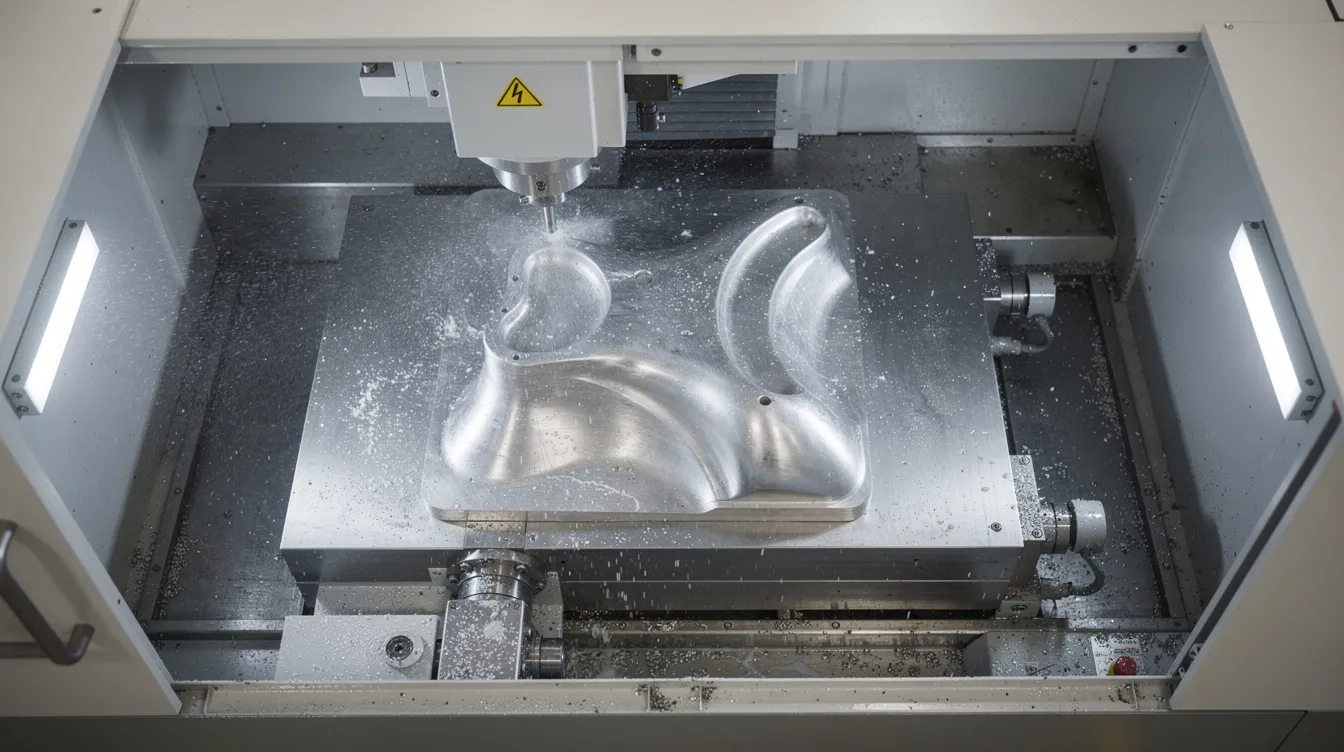
Understanding the main components of a CNC milling machine helps engineers design better parts and choose suitable machining services.
|
Component |
Function |
Why It Matters |
|---|---|---|
|
Spindle |
Rotates cutting tools at controlled RPM |
BT-40 tapers suit aluminum at 8,000–15,000 rpm; BT-50 delivers more torque for steels. Motor power typically 11–20 kW. |
|
Table & Fixturing |
Secures workpiece via T-slots or modular clamps |
Table size determines max part dimensions. Anebon’s machines handle up to ~1,100 × 600 mm tables. |
|
Linear Axes (X, Y, Z) |
Ball screws or linear motors drive axis motion |
Positional accuracy ±0.01 mm, repeatability ±0.005 mm on quality machines. |
|
Automatic Tool Changer |
Swaps tools without manual intervention |
Many CNC mills feature automated tool changers for efficiency, with magazines holding 20–40 tools for complex multi-tool jobs. |
|
Coolant & Chip Management |
Delivers flood or through-spindle coolant; conveys chips |
Efficient chip evacuation contributes to longer tool life and consistent surface finish. |
Each of these features directly influences what you can machine, how fast, and at what precision. A well-equipped shop matches spindle type, table size, and tooling to each project rather than forcing a one-size-fits-all approach.
How CNC Milling Improves Quality, Cycle Times, and Cost
Part quality, throughput, and cost aren’t just about the machine-they’re a function of programming quality, process control, and tool selection working together.
Optimized toolpaths using trochoidal milling or adaptive clearing strategies reduce tool engagement, which means lower cutting forces, less heat, and faster material removal. Higher throughput mills can deliver 20% faster cycle times compared to conventional approaches, while CNC machining allows for consistent production of identical parts with minimal variation. CNC milling machines can achieve tolerances as tight as ± 0.025 mm under controlled conditions.
Stable machine structures and precision calibration-laser compensation, thermal displacement sensors-maintain dimensional accuracy over long runs. Proper selection of carbide cutters, coatings (TiAlN, diamond-like), and cutting parameters leads to longer tool life, especially when machining titanium or stainless steel where heat management is critical.
At Anebon, we use in-process inspection (touch probes, tool break detection) and final quality checks via CMM and vision systems to maintain consistent cnc milling quality across every batch.
Design for Manufacturability (DFM) in CNC Milling
DFM is simple in concept: design engineers and machinists collaborate early to make parts easier, faster, and cheaper to mill without sacrificing function. In practice, small design changes can cut machining cost dramatically.
Key DFM tips that make a real difference:
-
Wall thickness: Keep walls ≥0.8 mm for aluminum, ≥1.0 mm for steel. Uniform thickness avoids warping.
-
Pocket depth: Stay within a 3:1 or 4:1 depth-to-width ratio. Deeper pockets require long tools that deflect and cost more.
-
Corner radii: Internal corners can never be perfectly sharp-they follow the end mill radius. Design fillets that fit standard tool sizes.
-
Holes and threads: Prefer standard drill sizes and threads M3 or larger. Hole depth ideally ≤4× diameter for through-holes.
-
Datum alignment: Aligning critical features with X/Y/Z axis reduces setups and improves accuracy.
Anebon’s engineering team routinely reviews customer drawings (STEP, DXF, PDF) and offers DFM suggestions before quotation at no extra cost. This easy collaboration can save weeks of rework.
Typical CNC Milling Applications and Materials
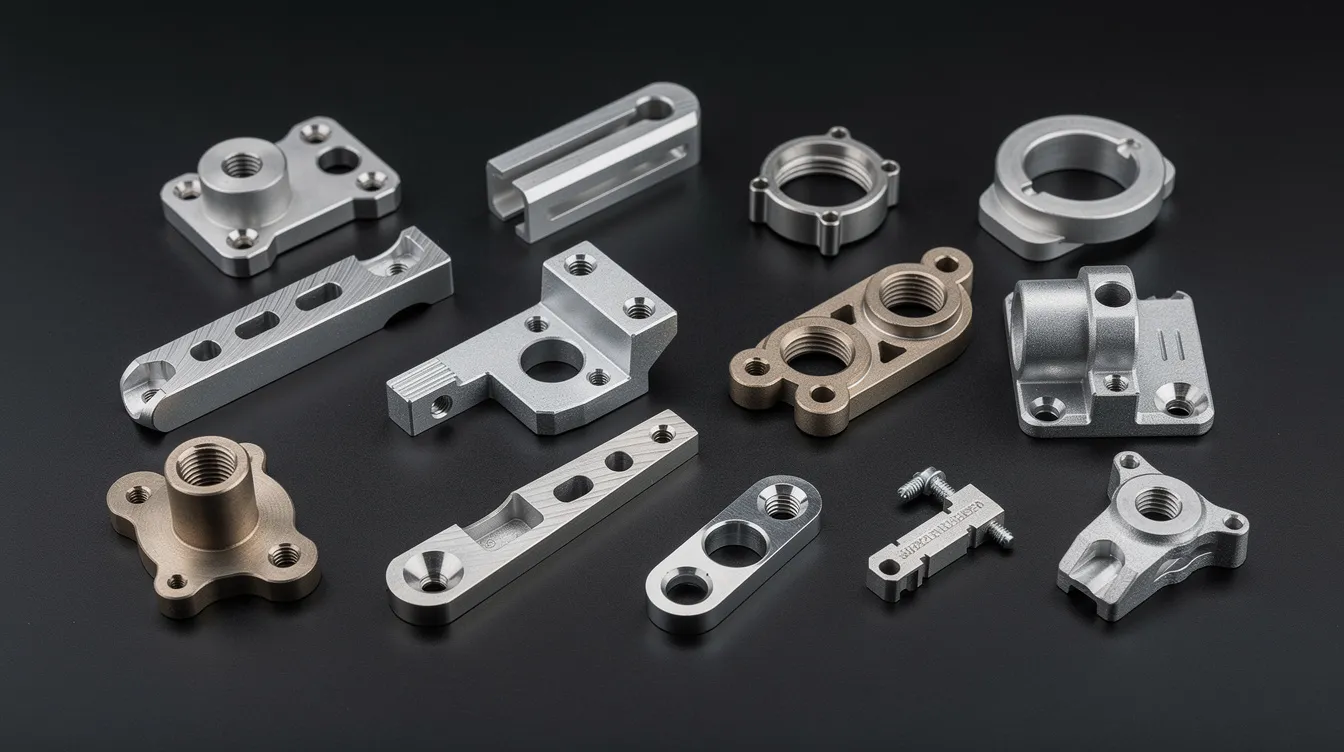
CNC milling suits both metals and engineering plastics, from a simple bracket to complex structural housings. Industries Anebon serves include aerospace, medical devices, automotive, industrial automation, consumer electronics, and robotics.
Concrete part examples produced on our machines:
-
Aluminum 6061/7075 heat sinks and cnc milling parts for sensor housings
-
304/316 stainless steel fluid manifolds
-
7075-T6 aerospace brackets
-
PEEK and POM medical components
-
Copper bus bars for power electronics
Commonly machined materials include aluminum alloys, carbon steels (1018, 4140), stainless steels, magnesium, brass, titanium, and plastics like ABS, PC, and POM. In addition, Anebon can combine cnc milling with CNC turning, die casting, and sheet metal fabrication to deliver complete assemblies rather than single parts.
Surface Finishes and Post-Processing
Surface finish requirements influence tool choice, feeds and speeds, and sometimes secondary operations. Standard as-milled finishes range from Ra 1.6–3.2 µm, while fine finishing passes can reach Ra 0.4–0.8 µm for sealing or cosmetic surfaces.
Post-process options Anebon offers:
-
Anodizing (clear, black, color) and hard anodizing
-
Powder coating, painting, bead blasting
-
Plating (Ni, Zn, Cr)
-
Passivation of stainless steel
-
Heat treatment for hardened steel parts
How Anebon Metal Products Limited Runs CNC Milling Projects
Our end-to-end process covers RFQ and DFM review through prototyping, validation, and scaling to volume production. Whether you need one prototype or 50,000 annual parts, the workflow is designed for speed and control.
What we need to quote quickly:
-
3D model (STEP/IGES)
-
2D drawing with tolerances, finish specs, and datum references
-
Material and quantity
-
Any special requirements (certifications, packaging, testing)
Response time is typically 24–48 hours for complete RFQs. Rapid prototyping lead times run as short as 3–7 days depending on complexity and material availability. For production, our workflow includes process planning, fixture design, CNC programming via CAM software, first article inspection (FAI), and ongoing in-process quality checks.
Anebon complies with ISO 9001:2015 and ISO 14001:2015, and we provide traceable material certifications and inspection reports on request. Our service extends to customers across the USA, Europe, and Asia-Pacific, with established logistics for reliable global delivery.
Capacity, Tolerances, and Quality Control
Anebon operates a lineup of vertical machining centers and 5-axis machines with a maximum workpiece envelope up to approximately 1,000 × 600 × 500 mm. Achievable tolerances under normal conditions are ±0.01 mm, with tighter tolerances down to ±0.002 mm possible on critical features with proper process control.
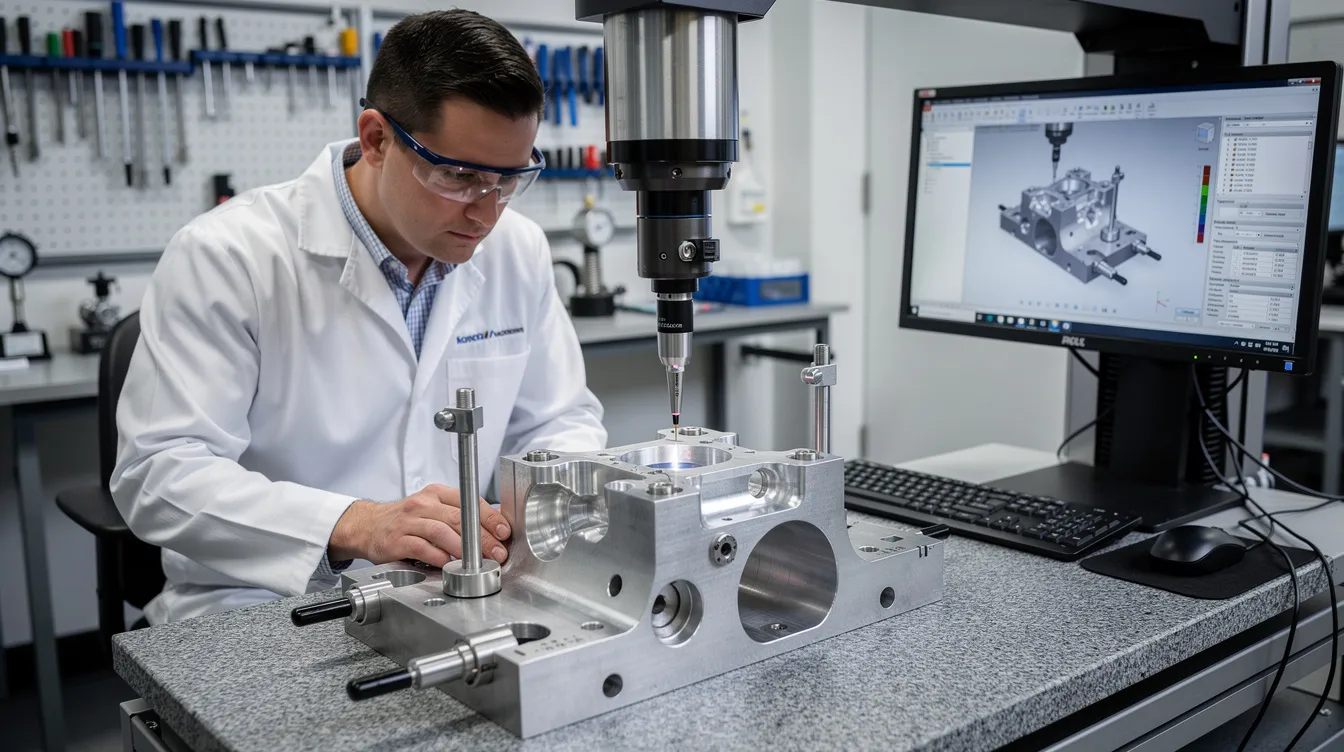
Our metrology equipment includes CMMs, height gauges, surface roughness testers, and optical inspection tools. Standard documentation covers inspection reports, PPAP or FAI reports for automotive and aerospace clients, and packaging standards that protect machined surfaces during global shipping.
Note that CNC milling requires a higher initial investment compared to manual milling, which is why outsourcing to an equipped and certified shop often makes more economic sense than buying machines in-house-especially for low-to-mid volume programs.
How to Choose the Right CNC Milling Partner
For most OEMs, the choice of supplier matters more than the specific machine brand when it comes to real-world performance and reliability. A perfect machine in a poorly managed shop will still produce bad parts.
When evaluating a cnc milling partner, consider these points:
-
Experience with similar parts in your industry and material
-
Range of capabilities: vertical machining centers, 5-axis, turning, secondary processes
-
Documented quality systems: ISO certifications, inspection reports, material traceability
-
Responsiveness: How quickly do they return quotes? Do they offer DFM feedback?
-
Working envelope: Consider the working envelope for your CNC mill needs, and define your budget before selecting a partner
-
Proof of results: Sample reports, process descriptions, and references carry more weight than marketing claims
Geographical location affects logistics, lead times, and pricing. Anebon, based in Dongguan, Guangdong, regularly ships cnc-milled parts worldwide and has the advantage of a mature supply chain for materials, finishes, and assembly.
Whether your project is a quick-turn prototype or a multi-year production program, the fundamentals don’t change: precise machines, proven processes, and responsive communication. Contact Anebon’s engineering team today for cnc milling advice, DFM feedback, or a no-obligation quote on your upcoming parts. Visit our website or send your drawings directly-we’re ready to buy into your vision and help you bring it to life.