Choosing the Right CNC Machine Parts Manufacturer for Your Project
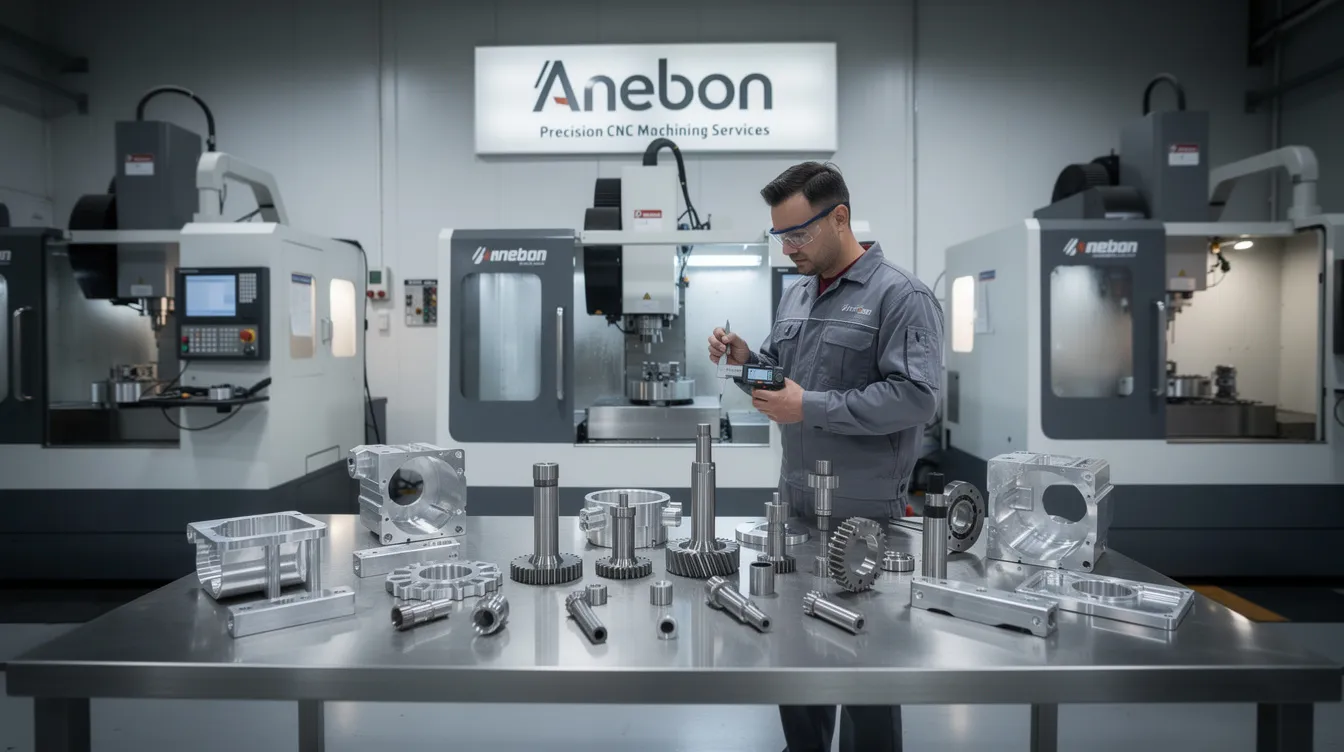
CNC Machine Parts Manufacturer: Precision CNC Machining Services from Anebon
Finding a CNC machine parts manufacturer that delivers extreme precision, fast turnarounds, and consistent results across thousands of components is the challenge every OEM engineering team faces. Anebon Metal Products Limited combines computer numerical control technology with rigorous quality systems to take your project from CAD file to shipped production parts-reliably and cost effectively. Here’s how the entire process works.
Rapid Quote-to-Delivery CNC Machining Workflow
Anebon takes OEM projects from initial RFQ to shipped CNC machined parts through a streamlined process built for speed and confidentiality. Rapid prototyping turnarounds can be as fast as 5–7 working days, while standard production batches follow a predictable schedule aligned with your launch dates.
Online and email quote process:
-
Buyers submit 2D and 3D CAD files in STEP, IGES, Parasolid, or native SolidWorks formats via email, web form, or secure file transfer (files up to 200 MB supported).
-
NDAs are available before any file exchange to protect your intellectual property.
-
Anebon’s team provides a detailed quotation within 24–48 hours, covering pricing options for different volumes.
CNC machining uses programmed computer instructions to drive every cutting process, so the engineering review stage matters enormously. Before machining processes begin, the Dongguan-based engineering team conducts a full DFM review-checking tolerance stack-ups, tool reach, wall thickness, fillet radii, and identifying cost-saving design tweaks. This feedback comes at no extra charge with every quotation.
Production follows this sequence:
-
CAM programming and CNC program validation
-
CNC milling, CNC turning, or mill-turn operations
-
In-process inspection using probes and hand tools
-
Surface finishing and post processing
-
Final QC with documented reports
-
Export packing and shipping
CNC machining allows for design changes until final production, so adjustments discovered during programming or first-article runs can be incorporated without scrapping tooling. Effective communication enhances the manufacturing process and supports engineering decisions at every stage.
Typical export destinations include the US, Germany, UK, and Japan. Anebon plans shipping-by air (3–7 days) or sea (25–35 days)-using Incoterms like FOB or DAP to meet customer launch dates.
About Anebon Metal Products Limited
Anebon is a CNC machine parts manufacturer founded in 2010 in Dongguan, Guangdong, China, serving overseas OEMs across various industries. The company holds both ISO 9001:2015 and ISO 14001:2015 certifications. ISO 9001:2015 certification ensures quality management standards across all processes, while ISO 14001:2015 certification focuses on environmental management standards-covering waste reduction, energy use, and responsible material handling.
Core services include:
-
CNC machining (3-axis, 4-axis, 5-axis), CNC milling, and CNC turning
-
Die casting and sheet metal fabrication
-
Surface treatments and assembly
-
Design consulting with DFM feedback
Anebon’s tolerance capability reaches down to ±0.002 mm on critical features. For context, most CNC machining services offer ±0.05 mm as standard, and only a small percentage of precision manufacturing shops worldwide deliver tolerances below ±0.005 mm cost effectively. Reliable CNC machining suppliers prioritize certifications and quality management systems, and Anebon’s dual ISO certifications provide that foundation.
Industries served: aerospace, medical devices, automotive, consumer electronics, robotics, and industrial machinery.
CNC Machining Capabilities for Custom Machine Parts
Anebon operates a fleet of CNC machines-including vertical and horizontal machining centers, CNC lathes, and multi-axis mill-turn equipment-capable of handling everything from single prototypes to full volume production. CNC machining can produce parts in volumes from 1 to 100,000, and manufacturers with multiple identical machines are less susceptible to production delays.
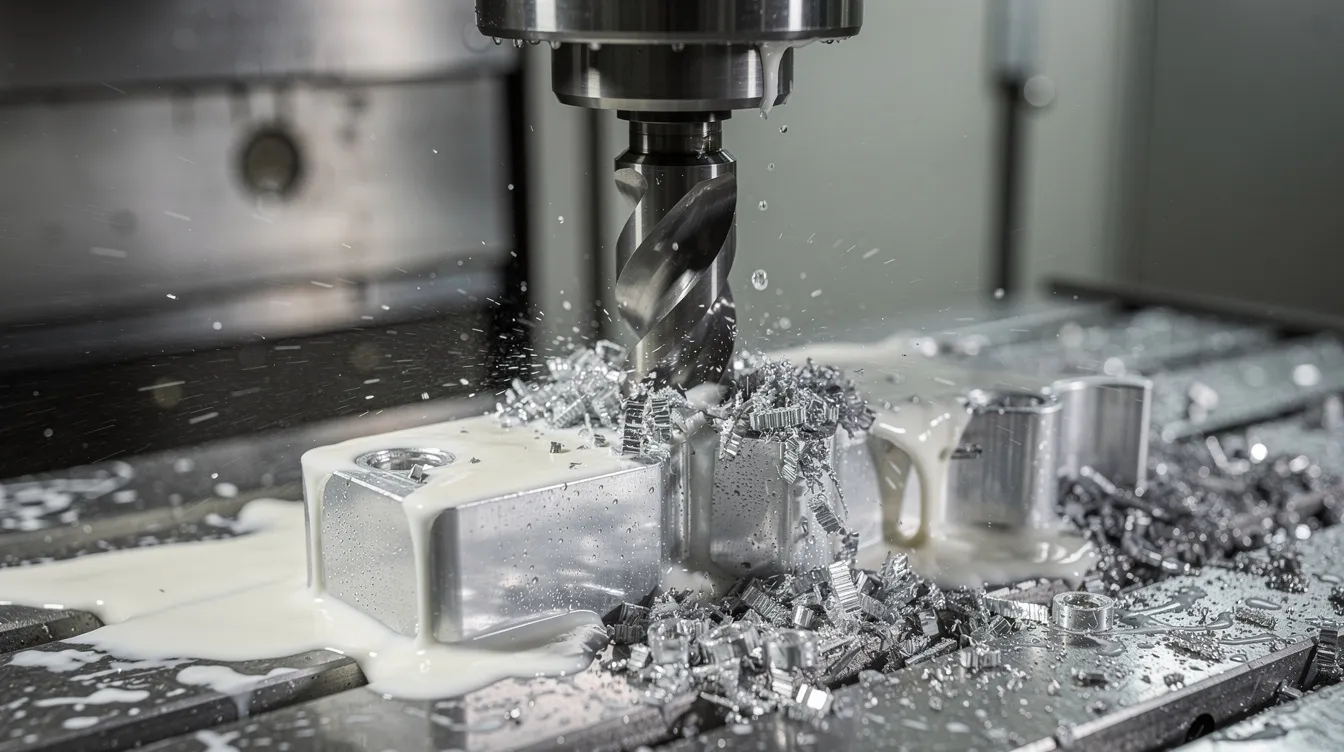
CNC milling capability:
-
3-axis, 4-axis, and 5-axis CNC milling machine configurations
-
Work envelopes up to approximately 800 mm × 500 mm × 500 mm
-
Ideal for housings, brackets, and complex prismatic custom parts
-
3-axis CNC milling is the most widely used machining process, while 4-axis and 5-axis milling offer higher versatility for precision parts
CNC turning and mill-turn:
-
Multi-axis turning centers for shafts, bushings, connectors, and cylindrical components
-
Swiss turning capability for small-diameter, high-precision parts
-
Bar feeders for efficient medium and high volume production
Multi-axis machining reduces setup time and improves accuracy. In documented case studies, 5-axis machining has reduced setups from 4–5 clampings down to a single clamp, dramatically improving yield and shortening cycle times. CNC machining can handle complex geometries without tooling constraints, making 5-axis essential for impeller blades, turbine housings, and compound-angle aerospace components.
Secondary machining processes-including drilling, tapping, boring, reaming, and threading-are integrated into the same workholding where possible, eliminating re-fixturing errors. Anebon supports order sizes from a single prototype to tens of thousands of machined parts per year from one drawing.
Materials for CNC Machined Parts
Anebon supports a wide materials range to match the performance, weight, corrosion resistance, and budget requirements of different industries. CNC machining can use over 50 metal and plastic materials, and CNC machining can work with over 50 different materials when you include specialty grades and composites.
Common metals:
|
Material |
Grade Examples |
Typical Applications |
|---|---|---|
|
Aluminum |
6061, 6082, 7075, 2024 |
Housings, brackets, heat sinks |
|
Stainless steel |
303, 304, 316, 17-4PH |
Medical, food equipment, marine |
|
Alloy steel |
4140, 4340 |
High-strength structural parts |
|
Brass |
C360 |
Connectors, fittings, valves |
|
Copper |
C110 |
Electrical, thermal components |
|
Titanium alloys |
Ti-6Al-4V (TC4) |
Aerospace, medical implants |
Common metals for machining include aluminum, stainless steel, and titanium. Aluminum 6061 is known for its strength and lightweight properties, making it the go-to for general-purpose machined parts. Aluminum 7075 is often used for high-stress applications like aerospace structural fittings and high-performance brackets.
Engineering plastics:
CNC machining can produce parts from materials like ABS and nylon, along with POM/Delrin, polycarbonate, PEEK, PTFE, and PMMA. These plastics serve consumer electronics housings, medical device components, and insulating elements.
Anebon provides material selection support to help engineers choose between various materials based on functional requirements. Material traceability ensures compliance with specifications and requirements-Anebon supplies mill certificates (e.g., EN 10204/3.1) and lot tracking when required by aerospace or medical OEMs. CNC manufacturers should demonstrate competence in material sourcing and traceability, and this is a standard part of Anebon’s process for critical-application components.
Key CNC Machining Processes: Milling, Turning, and More
Anebon combines several machining processes to produce finished machine parts that meet drawing specifications in a single supply chain.
CNC milling:
CNC milling uses a multi-point rotating tool for cutting, removing material from a stationary workpiece to create flat faces, slots, pockets, and complex 3D surfaces. Anebon uses both vertical and horizontal machining centers. CNC milling can produce complex geometries and detailed features that would be impossible with manual methods, and CNC milling is suitable for various materials including metals and plastics.
CNC turning:
CNC turning creates cylindrical shapes using a rotating workpiece. CNC turning uses a fixed cutting tool to shape the workpiece as it spins on CNC lathes-ideal for shafts, pins, threaded parts, and connectors. CNC turning is essential in automotive, aerospace, and medical industries. With modern lathes and bar feeders, CNC turning can achieve tolerances as tight as ±0.0005 inches, making it suitable for precision bearing surfaces and instrument components.
Mill-turn operations:
Combined mill-turn operations machine complex parts in one clamping, reducing dimensional error from re-fixturing and cutting cycle time by 30–50% on suitable geometries.
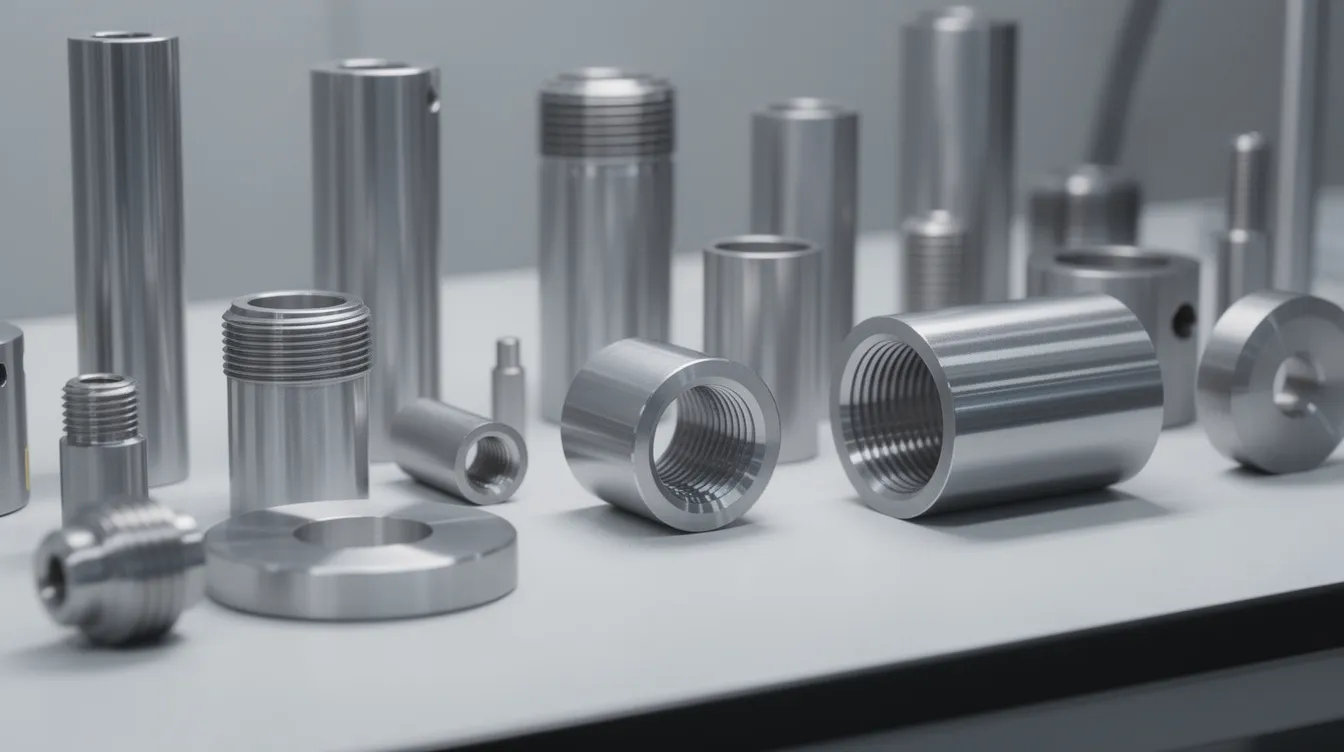
When to choose each process:
-
Milling for prismatic parts with flat faces, pockets, and angular features
-
Turning for rotationally symmetric parts like shafts and bushings
-
Mill-turn when a part has both rotational and prismatic features-avoiding multiple setups
Supporting processes include wire EDM for very tight features, surface grinding where flatness is critical, and boring or reaming for precision holes.
Industries and Applications for CNC Machined Parts
Anebon’s experience spans multiple sectors, each with distinct compliance requirements, material preferences, and tolerance expectations. CNC machining is widely used in aerospace and automotive industries, and rapid prototyping supports functional prototypes for various industries.
Consumer electronics: Aluminum and magnesium housings, heat sinks, frames, buttons, and camera components with fine surface finishes and tight cosmetic control. Speed and aesthetic consistency matter here.
Aerospace: Brackets, sensor housings, actuating components, and structural fittings requiring lightweight alloys and certified machining processes. AS9100 certification is essential for aerospace and defense components, and Anebon’s processes align with these requirements.
Medical devices: Components for surgical instruments, imaging equipment, and diagnostic devices where biocompatible materials and tight tolerances are essential. ISO 13485 certification is important for medical device manufacturing, ensuring traceability and process validation throughout production.
Automotive and e-mobility: Powertrain parts, battery system components, connectors, and custom fixtures for production lines. Industry-specific certifications like IATF 16949 apply to automotive manufacturing, covering quality management within the automotive supply chain.
Robotics and industrial machinery: Precision CNC machined parts such as end-effectors, robot joints, gear housings, and alignment jigs requiring consistent results across batches. These components often demand tight tolerances over long distances and hardened mating surfaces.
Quality Assurance and Inspection
Tight tolerances and repeatability are central to Anebon’s approach as a CNC machine parts manufacturer. A reliable CNC supplier continuously monitors quality and inspection processes at every stage, and quality assurance processes reduce the likelihood of defective parts reaching customers.
Three-stage inspection:
-
Incoming inspection: Material verification against mill certificates, hardness testing, chemical composition checks
-
In-process inspection: Probe checks, tool offset verification, dimensional sampling during the cutting process
-
Final inspection: Full CMM measurement, optical projectors, micrometers, and surface roughness testers
Parts are inspected twice before shipment to ensure quality-once during the manufacturing process and once at final QC. CNC machining requires advanced metrology equipment to ensure precise measurements, and Anebon uses coordinate measuring machines alongside optical and contact-based tools.
Tolerance bands applied from 2D drawings:
|
Tolerance Level |
Range |
Application |
|---|---|---|
|
Standard |
±0.01 mm to ±0.03 mm |
General features |
|
Precision |
±0.005 mm to ±0.01 mm |
Bearing fits, mating surfaces |
|
Ultra-precision |
±0.002 mm |
Critical features |
CNC machining can achieve tolerances as tight as ±0.01 mm for standard precision work and ±0.002 mm for critical features. Effective CNC machining requires technical capabilities and modern equipment, including temperature-controlled environments for ultra-tight work. Proper fixturing is critical to minimize vibration and ensure dimensional accuracy across all setups.
Documented quality procedures align with ISO 9001:2015, including control plans, First Article Inspection, and PPAP when requested. First Article Inspection is a critical quality control measure in CNC manufacturing, validating that production setup meets all drawing requirements before a full run begins.
For large production runs, process control measures-including SPC, capability indices (Cp/Cpk), and defect rates tracking-reduce variation and scrap. On-Time Delivery percentages are vital metrics for measuring a manufacturer’s reliability, and Anebon tracks this KPI across all active programs. Inspection reports and material certificates can be supplied with each batch.
Surface Finishes and Post-Processing
Surface finish matters for both performance-wear resistance, corrosion protection, sealing-and appearance, particularly in consumer electronics and automotive interiors. Surface treatments can significantly improve part durability and aesthetics, and manufacturers should offer robust secondary operations to streamline supply chains.
Common surface treatments:
-
Bead blasting: Creates a uniform matte texture (Ra 0.8–3.2 µm). Bead blasting improves surface finish on aluminum parts by masking tool marks.
-
Anodizing Type II: 5–25 µm oxide layer for cosmetic and moderate corrosion protection. Anodizing enhances corrosion resistance of aluminum components.
-
Hard anodizing Type III: 25–60 µm, hardness 350–500 HV, for high-wear applications
-
Powder coating: Thick, durable finish available in a wide color range
-
Electroplating (nickel, chrome, zinc): Electroplating provides a protective layer on metal surfaces, adding wear and corrosion resistance
-
Chemical conversion coating, black oxide, passivation for stainless steel
Special finishes:
CNC machining can achieve surface finishes as smooth as mirror-smooth (Ra down to 0.05 µm) for optical or dynamic bearing surfaces. Laser engraving handles logos, serial numbers, and traceability marks without affecting part integrity.
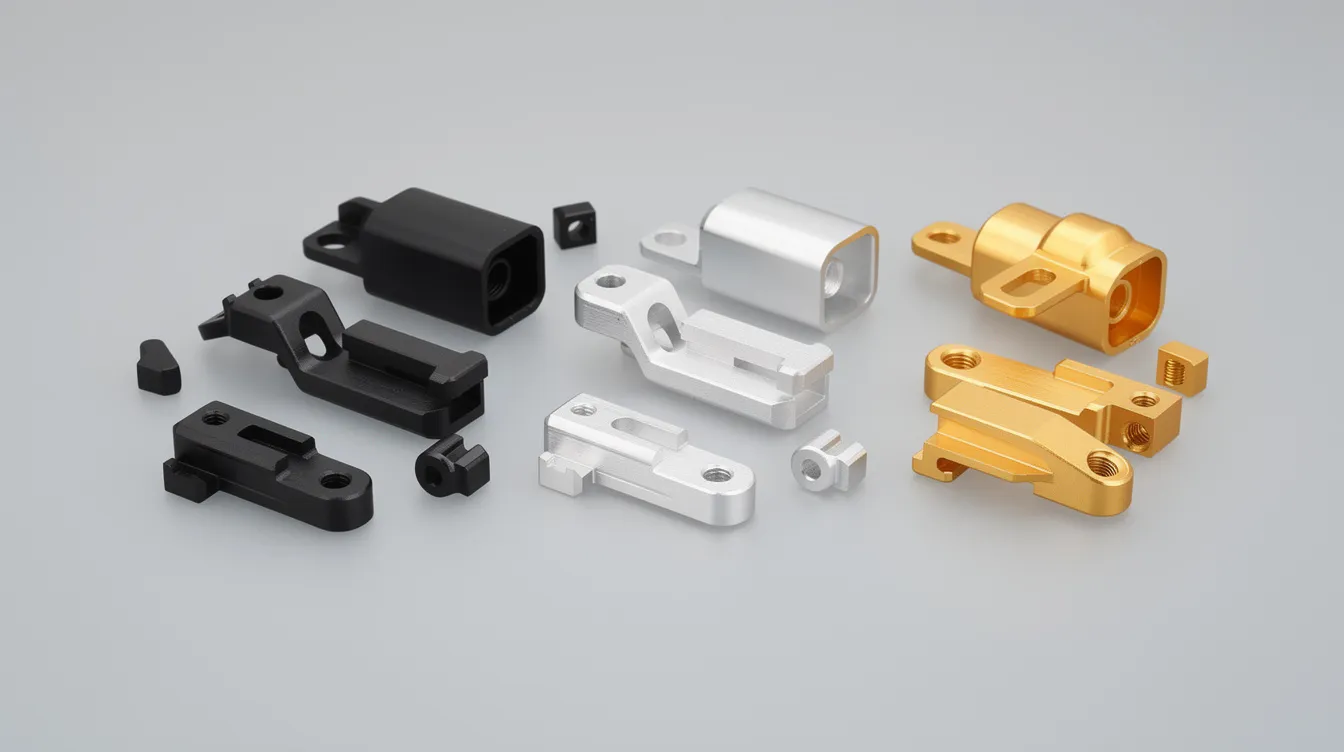
Anebon controls Ra surface roughness and color consistency batch-to-batch using calibrated roughness testers and standardized process parameters. Engineers should specify cosmetic zones and functional zones separately in drawings-this balances cost and appearance, avoiding unnecessary finishing on hidden surfaces.
Lead Times, Production Volumes, and Pricing Factors
The global precision machining market is valued at $132.9 billion by 2026, driven by demand across aerospace, medical, and automotive sectors. Understanding lead times and cost drivers helps engineers plan projects and avoid surprises.
Typical lead times:
-
Rapid prototypes: 5–10 working days (CNC machining can produce prototypes as fast as one day for urgent simple parts)
-
Standard production batches: 3–5 weeks including finishing and QC
-
Urgent orders: Expedited options available where feasible
Rapid prototyping reduces lead times for product development, and prototyping can involve both low and high-volume production depending on program stage.
Factors that influence cost:
-
Material type and machinability
-
Part complexity and number of setups
-
Tolerances (moving from ±0.13 mm to ±0.05 mm typically adds 15–30% cost)
-
Required surface finish and post processing steps
-
Volume-repeat orders benefit from proven CNC programs, fixtures, and reduced waste
CNC machining minimizes waste compared to traditional methods through optimized tool paths and nesting. However, low quotes can result in higher total costs due to poor quality or delays-always evaluate the total landed cost, not just the unit price. A good CNC manufacturer should provide clear and detailed quotations that break down material, machining, finishing, and shipping costs.
Shipping logistics include consolidated shipments by air or sea, with Incoterms commonly used such as FOB Shenzhen or DAP. Involve Anebon early to adjust designs for more efficient machining and shorter lead times.
Design Tips for CNC Machined Parts
Getting the most value from precision CNC machining starts at the design stage. These practical guidelines reduce cost and improve manufacturability, whether you are designing for modern manufacturing environments or optimizing existing parts.
Feature sizing and wall thickness:
-
Minimum wall thickness: ~1.5–2 mm for aluminum, thicker for plastics or tall features
-
Inside corner radii should match available tool diameters-specifying a 0.5 mm internal radius requires a 1 mm diameter end mill, which is slow and fragile
-
Avoid deep narrow pockets where tool length-to-diameter ratio exceeds 4:1
Holes and threads:
-
Use standard drill sizes and standard thread forms (metric ISO or UNC/UNF) to leverage off-the-shelf cutting tools
-
Reamed or bored holes deliver tighter tolerances but cost more-specify only where required
Tolerances and cost:
Tolerance tightening drives cycle time, scrap, and price. Keep only critical dimensions at tight tolerances. Use ±0.1–0.2 mm for non-critical features, ±0.03–0.05 mm for fits, and go below ±0.01 mm only where function demands it.
Machine envelope and stock:
Design parts that fit within standard CNC milling machine envelopes and common bar-stock or plate sizes to avoid custom setups and material waste. Design for Manufacturability feedback improves machining processes and reduces costs, and rapid prototyping allows for design alterations until final production.
Anebon provides DFM feedback at the quotation stage to help refine CAD models before committing to tooling or production-taking advantage of innovative solutions that can simplify your geometry and lower your per-part cost.
Why Work with a China-Based CNC Machine Parts Manufacturer
Partnering with a precision manufacturing company in Dongguan offers strategic benefits that go beyond price alone.
Cost advantages: Optimized labor costs, concentrated supply chains for metals and finishes, and high utilization of equipment combine to deliver cost effective production parts-especially once volumes exceed prototyping quantities.
Experience: Anebon has served overseas OEMs since 2010, building familiarity with international standards, communication expectations, and documentation requirements across the manufacturing industry.
Addressing common concerns:
-
Language: Bilingual technical staff handle all project communication
-
Time zone: Structured handoffs and 24–48 hour response commitments
-
IP protection: NDAs, secure file handling, and documented QC processes
-
Quality consistency: ISO-certified processes, FAI reports, and batch inspection data
Scalability: Move from R&D runs to ongoing contract manufacturing without investing in your own machinery, lathes, or automation. Anebon functions as a one stop shop for CNC machining services, die casting, and sheet metal fabrication-covering the full spectrum from prototyping through high volume production and large production runs.
How to Request a CNC Machining Quote from Anebon
Ready to start your next project? Here is what to prepare:
-
CAD files: 2D drawings (PDF or DWG) and 3D models (STEP, IGES, Parasolid, SolidWorks native)
-
Material requirements: Specify grade or describe the performance need
-
Surface finish and tolerances: Call out critical dimensions and cosmetic zones
-
Quantities: Prototype count and projected production volumes (no minimum order quantity for prototypes)
-
Target lead time: When do you need parts in hand?
Submit via email, web form, or secure file transfer. Anebon supports large files and compressed folders. The typical response includes confirmation of receipt, clarifying questions from engineers, and a detailed quote with pricing options for different volumes.
For parts where other materials or higher volumes make sense, Anebon can also quote alternative processes-die casting or sheet metal-where these may outperform CNC machining on speed or cost for your specific geometry.
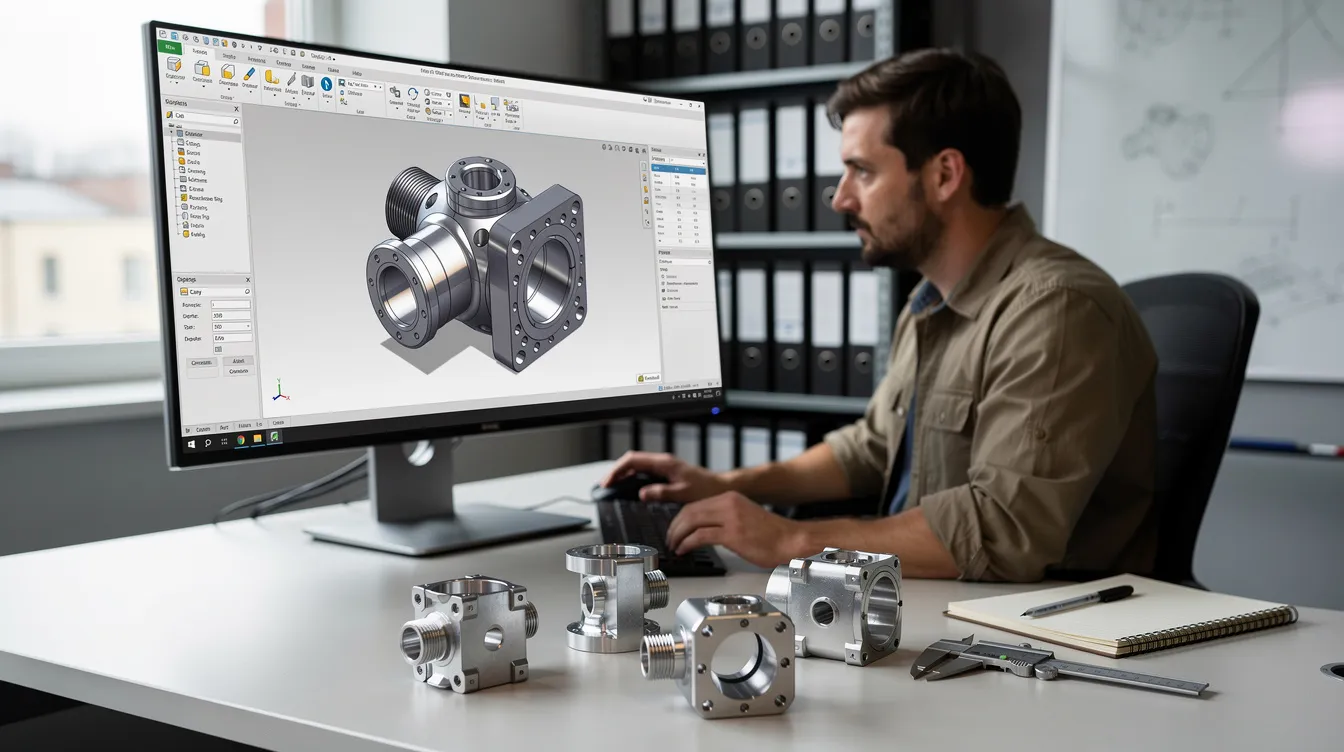
Whether you are developing a first prototype or scaling to thousands of production parts per year, the right CNC machine parts manufacturer can make the difference between meeting your market window and missing it. Send your CAD files and specifications to Anebon’s engineering team to receive a detailed quotation with DFM feedback-no commitment required.