Top Chinese Sheet Metal Fabricators for Small Quantities You Can Trust
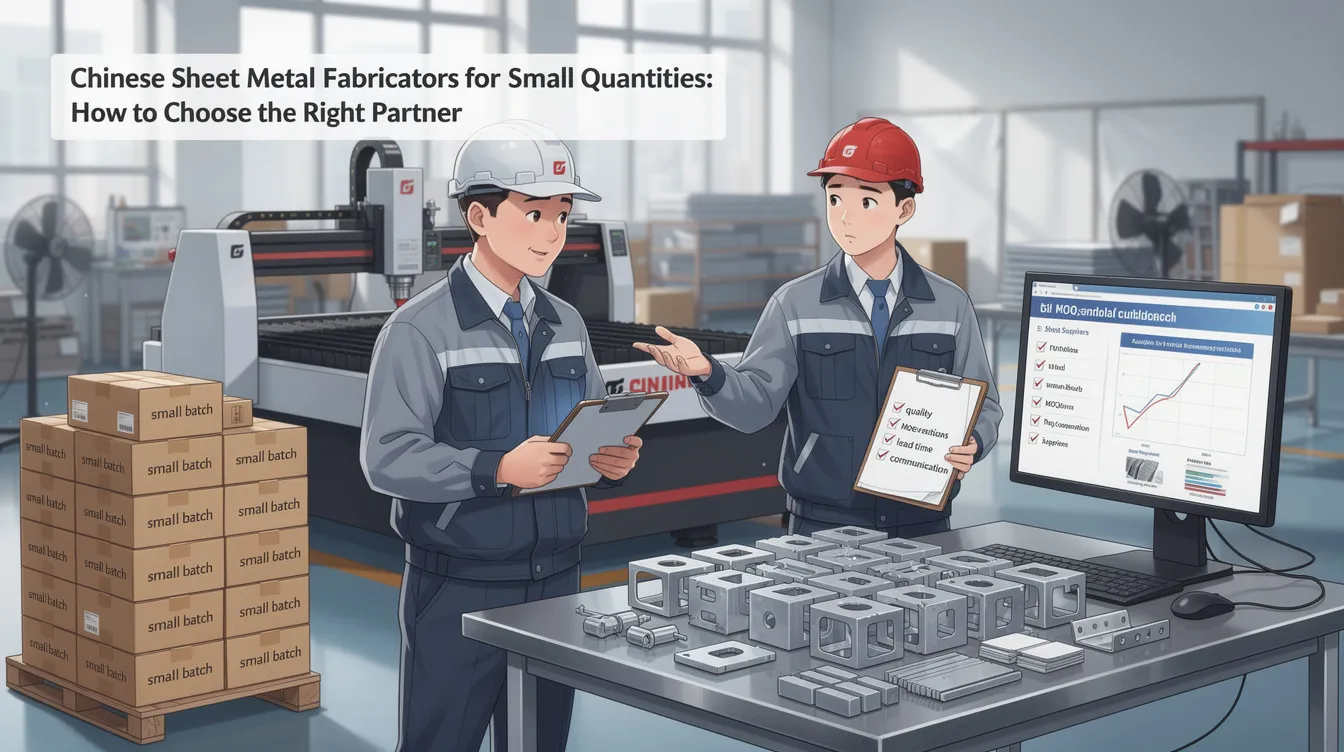
Chinese Sheet Metal Fabricators for Small Quantities: How to Choose the Right Partner
Ordering 1 to 300 custom sheet metal parts from China requires a different playbook than placing a 10,000-unit purchase order. Setup costs dominate, communication gaps cause expensive rework, and freight can erase unit-price savings if you plan poorly. This guide walks you through the process of finding and working with Chinese sheet metal fabricators for small quantities, from understanding cost structures to vetting suppliers and managing landed costs.
Why Small-Quantity Sheet Metal Fabrication in China Is Different
Sourcing small quantities of sheet metal parts from China is not the same as ordering large batches. Prototype and pilot-run needs for medical devices, robotics frames, and electronics enclosures typically fall in the 1 to 300 piece range. At these volumes, the economics flip: fixed costs per piece outweigh material and labor savings.
Setup-intensive processes like laser cutting, press brake bending, welding, and CNC programming each require calibration, fixture adjustments, and back-gauge programming. These overheads do not scale down with order size. A single bracket that costs $2 in material might carry $40 in setup charges when you order only 10 pieces.
China sheet metal fabrication usually becomes cost-effective around 50 to 200 units for simple cut-and-bend work. Some specialist shops with optimized digital manufacturing workflows remain competitive below 50 pieces, but only when tolerances and complexity stay moderate.
Effective communication with suppliers is critical to ensure project success in low-volume fabrication. For small orders, lead time clarity, quality certifications, and responsive engineering support matter more than squeezing the absolute lowest unit price. Poor documentation or ambiguous tolerance callouts cause delays and rework that cost more than any per-unit savings.
Consider the difference: 10 brackets for a lab test rig might cost $20 to $50 each from a US shop, while a Chinese fabricator quotes $70 each after setup and shipping at that quantity. But scale to 200 pieces, and the Chinese quote drops to $5 to $10 per bracket. A telecom cabinet maker ordering 2,000 chassis from the same region might pay under $50 per unit with full finishing included.
How Sheet Metal Fabrication Works for Low Volumes
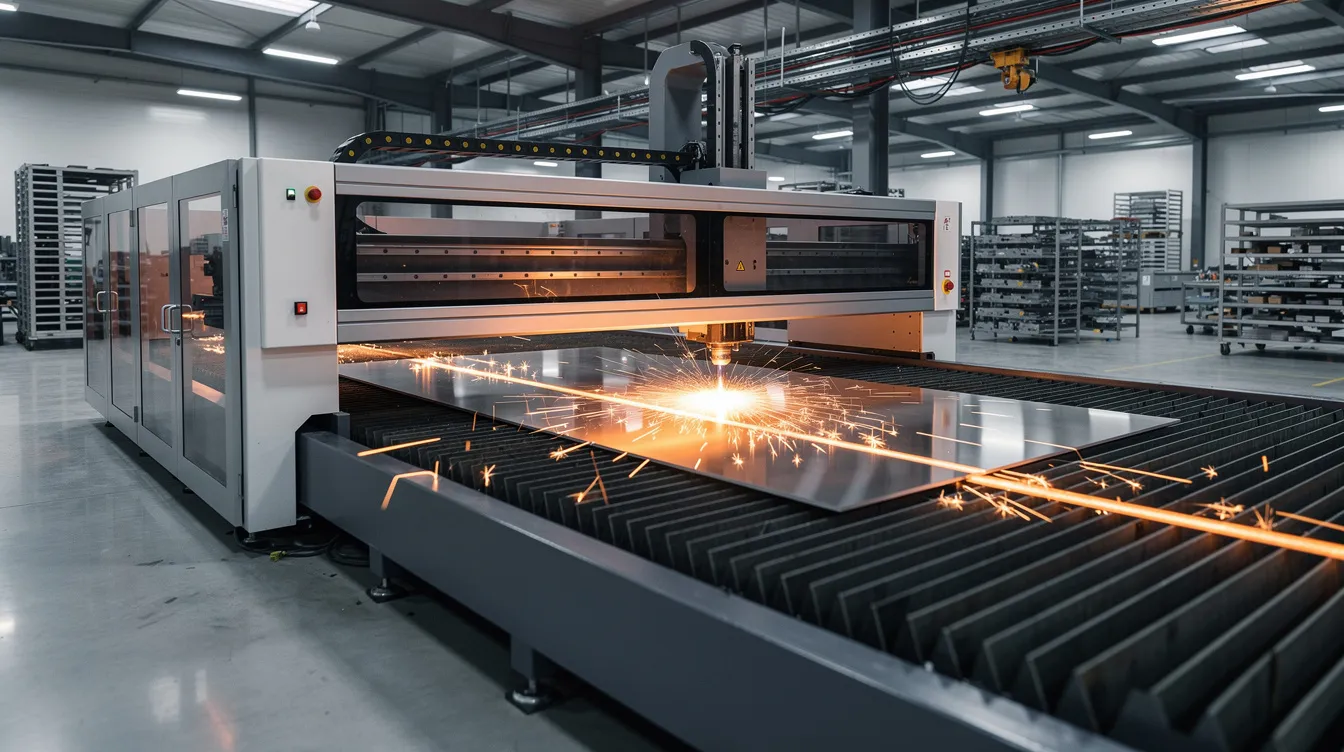
The typical process flow for custom sheet metal fabrication starts with a Design for Manufacturability (DFM) review of your CAD file, then moves through laser cutting or CNC punching, bending, welding or fastening, surface treatment, and final inspection. DFM feedback helps optimize designs for better manufacturing outcomes before any metal is cut.
Digital workflows reduce setup time for small runs. When you provide clean STEP or DXF files, fabricators import them directly into CAM and nesting software. Nesting optimizes material usage across the sheet, and CNC press brakes can store programs for repeat jobs. Fewer ambiguities in your drawings mean fewer back-and-forth emails.
Laser cutting is the default for thin-to-medium sheet (up to about 6 to 10 mm for steel). Laser cutting achieves tolerances of ±0.1 mm on linear dimensions under ISO 2768-m, with kerf widths around 0.1 to 0.2 mm. Plasma cutting handles thicker plates (above 12 mm) at lower cost, but tolerances drop to ±0.5 to 1.5 mm and edge quality is rougher due to a larger heat-affected zone. Deburring is necessary after cutting to smooth edges regardless of method.
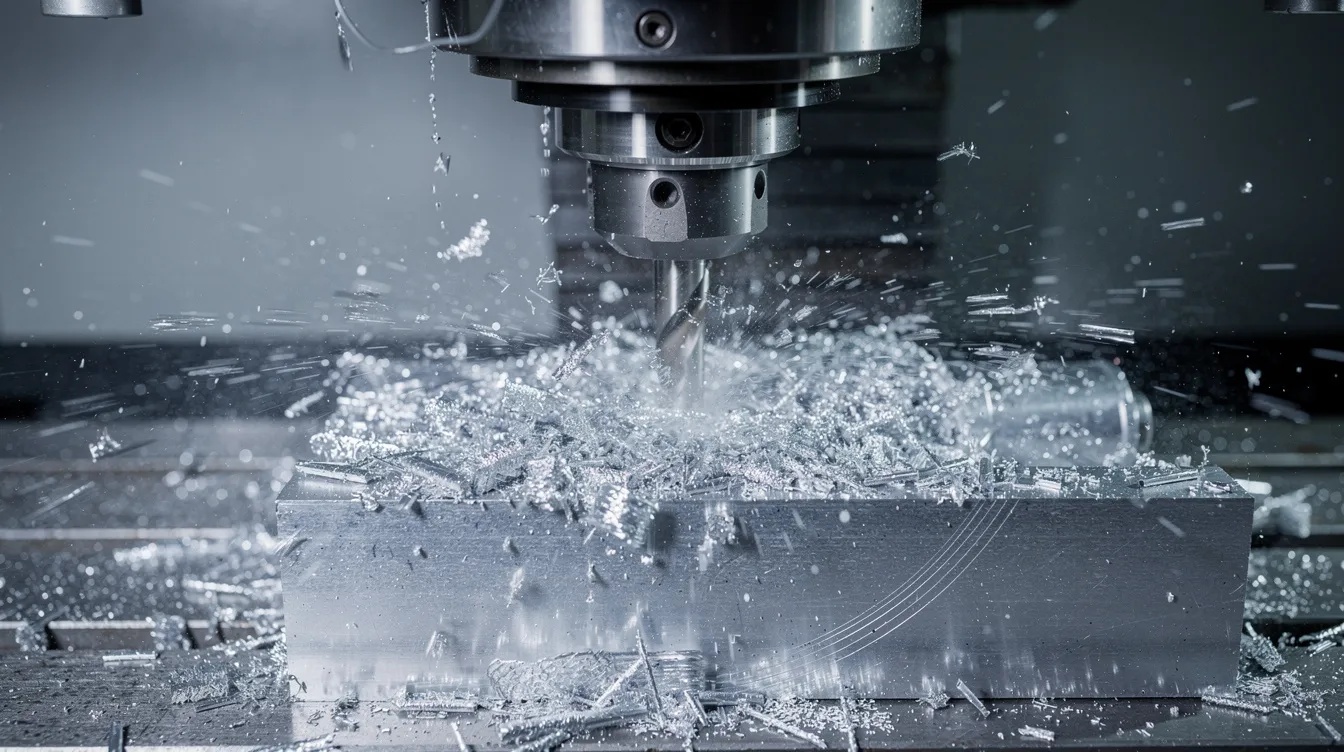
CNC machining enters the workflow when parts need precision counterbores, tapped holes, or tight-fitting locating features that bending and welding cannot hold. Precision CNC machining involves subtractive manufacturing processes to create parts from solid blocks, and adding it to a sheet metal project raises NRE costs but delivers tighter fits in final assembly.
-
Small-quantity parts often share machines (lasers, press brakes, weld cells) with large production jobs. Planning around machine availability is part of managing lead time for any low volume production order.
Cost Drivers for One-Off and Small-Batch Chinese Sheet Metal Parts
For orders of 1 to 20 parts, non-recurring engineering (NRE) and setup charges dominate the quote. In many cases, fixed charges contribute 30 to 80% of total cost for very low quantities; material might account for less than 10%.
The key cost components break down as follows:
-
Engineering time: DFM review, flat-pattern generation, nesting layout
-
Laser cutting setup: machine parameters, cutting path programming, nesting optimization
-
Bending setup: tooling changes per bend radius, back-gauge programming, test bends
-
Welding and jig setup: fixture building, alignment checks, post-weld grinding
-
CNC machining (when needed): programming, tool selection, offsets, verification passes
-
Inspection and documentation: first article inspection, material test reports, CMM reports
A simple 2 mm cold-rolled steel bracket with two bends and no welding has low complexity; setup is modest. An enclosure with 15 bends, TIG welding, multiple hole sizes, tolerances under ±0.1 mm, and powder coating sends prototype unit costs into hundreds of dollars per piece at quantities under 20.
Single part orders incur higher per-unit costs due to setup. Ordering more parts reduces the cost per unit because setup costs are shared across multiple parts in production. Data from industry benchmarks shows a pattern: a 1-piece prototype order may exceed $500 per unit; at 10 pieces the cost drops to roughly $70 to $80; by 50 to 200 pieces total cost per part falls to $20 to $30 for moderately complex work.
In 2025 and 2026, typical small-batch China sheet metal fabrication quotes run about 20 to 30% below equivalent Western quotes, but only when freight and duties are managed correctly.
Counting the Full Landed Cost: More Than the Unit Price
Engineers and procurement teams should calculate total landed cost, not just the ex-works unit price. Landed costs include shipping, duties, and overheads that many importers underestimate on their first order.
Line items to account for when sourcing custom sheet metal parts from China:
-
Unit price (per piece, ex-works or FOB)
-
Tooling or fixture charges (one-time)
-
NRE and engineering fees
-
Packaging (protective film, corrosion prevention wraps, cartons or crates)
-
Export paperwork and customs documents
-
Air freight or sea freight
-
Insurance
-
Customs duties (varies by HS code and destination country)
-
Customs brokerage fees
-
Inland delivery to your facility
Consider 20 laser-cut and bent stainless steel panels quoted at $15 each ex-works. The panels are light but bulky. Shipping by express courier (DHL or FedEx) might cost $200 plus $50 in handling and paperwork. That adds $10 to $20 per piece, equal to 40 to 60% of the part cost. Air freight can offset savings from lower unit prices if you don’t plan the shipment carefully.
Typical duty rates for common sheet metal HS codes (e.g., HS 7219 for stainless steel, HS 7308 for steel structures, HS 7606 for aluminum) range from zero to 10% in US, EU, and Australian markets. Coatings or alloy composition can shift rates. Check your country’s current tariff schedule before committing.
Consolidating multiple part numbers into one shipment reduces shipping cost per part. R&D teams ordering several different prototypes from the same supplier benefit from shared export packaging and fewer paperwork fees.
When Does a Chinese Sheet Metal Fabricator Actually Save You Money?
Below a certain quantity, a local shop often wins on total cost and turnaround, despite higher hourly rates.
Practical thresholds look like this:
-
1 to 3 prototypes: Local fabrication services are often cheaper and faster when you factor in express freight from China and the value of same-day design feedback.
-
10 to 50 parts: This is the gray zone. For simple parts with standard finishes, a china sheet metal manufacturer often wins on cost even after shipping. For complex welding parts or tight-tolerance work, local shops may match or beat the landed cost.
-
100 to 500+ parts: China almost always wins for labor-intensive assemblies, custom metal fabrication with multiple processes, and parts needing extensive finishing.
A concrete comparison: a German lab needs 5 laser-cut aluminum front panels with anodizing for a test instrument. A local shop delivers in 5 to 7 days. The landed cost from China for that prototype run might be equal or higher after expedited freight. Now compare with 200 powder-coated server brackets sourced from Dongguan: typical lead time is 14 to 20 days, and cost per bracket is 20 to 40% less than Western shops.
China sheet metal fabrication shines when projects combine multiple processes under one roof: sheet metal work with many welds, multiple bends, plus CNC machining features and finishing. Die casting is a manufacturing process for producing metal parts by forcing molten metal into a mold, and some suppliers integrate die casting with sheet metal and machining for complex assemblies.
Anebon Metal Products Limited can take customers from 1 to 20 prototypes through to 1,000+ production parts without switching suppliers, which eliminates the qualification overhead of re-validating a new fabricator at scale.
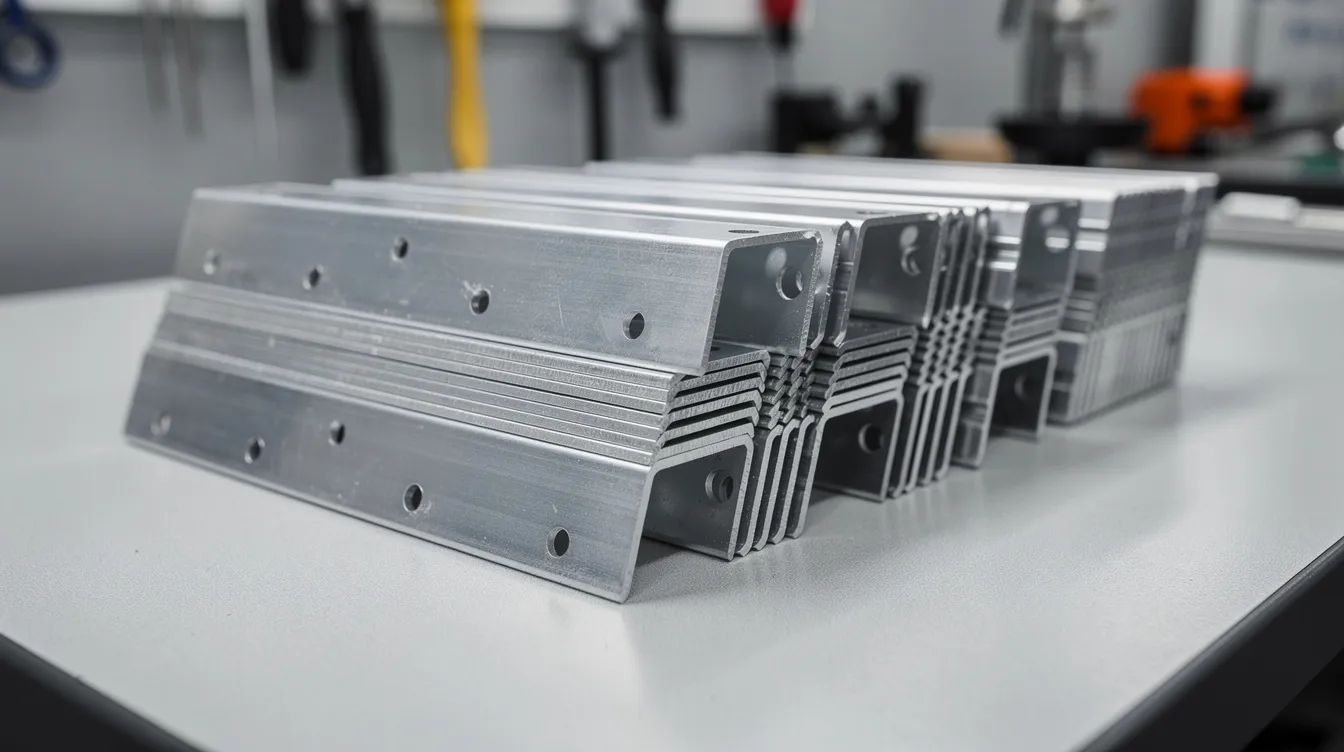
Key Criteria for Choosing Chinese Sheet Metal Fabricators for Small Quantities
Not every metal fabrication company in China is optimized for small runs. Many prefer container-load OEM orders and will quote small quantities at a premium or decline them outright. Here is what to look for.
-
Low MOQ acceptance: The fabricator should quote for 1 to 10 pieces and pilot batches of 20 to 50 without prohibitive surcharges. Companies often advertise their abilities to handle low-volume runs without strict minimum order quantities.
-
Responsiveness: RFQ turnarounds within 24 to 72 hours; engineering follow-ups when drawings are ambiguous; clear English-language support.
-
DFM feedback: The supplier examines your bend radii, hole placement, nesting, and flat patterns, then suggests changes to cut cost or avoid failures.
-
Equipment: Modern fiber laser cutters (3 to 12 kW), CNC press brakes with back-gauge control, TIG and MIG welding cells, and access to CNC machining if your project needs it.
-
Quality certifications: ISO 9001 2015 as baseline. ISO 14001:2015 for environmental management. Sector-specific certifications (IATF 16949 for automotive parts, ISO 13485 for medical devices, AS9100 for aerospace) when your industry demands them.
-
Inspection and traceability: First article inspection (FAI), PPAP documentation if automotive, dimensional reports, material test reports, and heat-number tracking. Customers requiring high-precision custom parts often include industries like aerospace and medical devices, where documented inspection is non-negotiable.
-
Surface treatment range: Powder coating, anodizing, plating, polishing; understanding of minimum lot charges and consistent quality in prototypes.
Understanding Capabilities: From Laser Cutting to CNC Machining
Buyers sourcing small quantities need to understand a fabricator’s process envelope. Process flexibility determines whether one supplier can handle your project or whether you need to coordinate across multiple shops.
Laser cutting: Chinese shops commonly laser-cut carbon steel, stainless steel, and aluminum sheets up to about 12 mm for steel and thinner for aluminum. Using modern fiber lasers can enhance the sheet metal cutting process and allow for cleaner cuts on reflective materials like aluminum and copper. Tolerances sit around ±0.1 mm for linear dimensions. Kerf widths run 0.1 to 0.2 mm, making laser ideal for complex profiles at low volume.
Alternative cutting methods: Plasma cutting handles thicker plates above 12 mm but drops precision to ±0.5 to 1.5 mm. Waterjet cutting works for heat-sensitive materials with minimal distortion, holding ±0.2 to 0.5 mm. CNC punching is a common sheet metal fabrication process for repetitive hole patterns, faster than laser for some shapes but less flexible for internal cutouts.
Bending and forming: Press brake bending is essential for shaping sheet metal. Typical press brakes in small-batch shops run 80 to 100 tons, handling steel up to about 6 to 10 mm thick. Each unique bend radius or angle adds setup time. Multiple tool changes slow production and increase cost for small quantities.
CNC machining integration: When parts need precision pockets, countersinks, tapped holes, or tight-tolerance locating surfaces, CNC machining steps in. Tight tolerances in manufacturing can be as precise as ±0.002 mm in some processes.
A wide range of materials including aluminum, titanium, and stainless steel are commonly used in precision metal fabrication. Carbon steel is a common material in sheet metal fabrication for structural brackets and frames. Aluminum is often used for lightweight sheet metal parts in electronics and robotics. Stainless steel offers corrosion resistance in metal fabrication for food and medical equipment. Titanium is used for high-strength applications in sheet metal where weight savings are critical. Materials can be selected based on specific application needs; your fabricator should advise on the best fit.
Finishing processes enhance sheet metal part performance through powder coating, anodizing, plating, or polishing. Metal stamping may also apply for certain features.
Anebon’s Dongguan facility combines precision CNC machining centers with sheet metal equipment, allowing hybrid parts (machined bases with sheet metal covers) in a single workflow.
Quality Systems and Certifications: What Matters for Small Batches
Even for 10 to 50 parts, documented quality systems prevent errors, delays, and scrapped material. Certifications ensure consistent quality in critical applications.
-
ISO 9001:2015 is the baseline certification for quality. It indicates documented processes, corrective actions, and inspection routines. Not all ISO 9001-certified shops apply the same rigor to small batches; ask about in-process check frequency.
-
ISO 14001:2015 certification reflects an organization’s efforts to improve environmental management. Global OEMs increasingly require it for sustainability audits and ESG reporting.
-
IATF 16949 is essential for automotive quality management. Suppliers must provide PPAP documentation and full traceability for automotive parts.
-
ISO 13485 is necessary for medical device manufacturers. It covers material traceability, cleanliness, biocompatibility documentation, and record retention.
-
AS9100D certification is required for aerospace suppliers, governing inspection regimes and process control for flight-critical hardware.
-
Quality assurance measures include dimensional checks and material certification to ensure product standards. For small batches, heat-number tracking, material test reports, and batch-level inspection records support future scale-up.
-
Anebon Metal Products Limited holds ISO 9001:2015 and ISO 14001:2015, suitable for western buyers in automotive, robotics, and medical devices development phases.
Lead Time Expectations for Chinese Small-Quantity Sheet Metal Orders
Realistic lead times from China in 2025 and 2026 depend on part complexity, finishing requirements, and shipping method. Plan for fabrication time plus logistics.
-
Prototypes (simple parts, basic bends and cuts): 5 to 12 working days for fabrication.
-
Small batches (50 to 200 pieces): 2 to 3 weeks including review, fabrication, inspection, and basic finishing.
-
Larger pilot runs (200 to 1,000 pieces): 3 to 5 weeks, especially if surface treatment or welding fixtures are involved.
-
Air freight to US or EU: 3 to 7 days door-to-door after parts leave the factory. Fast delivery but higher cost per kg.
-
Sea freight (LCL or consolidated): 25 to 40 days door-to-door. Lower cost but longer wait.
Processes most likely to extend lead time: anodizing, powder coating, and plating each require multi-step preparation and curing. Custom packaging (wooden crates, VCI wraps) and special inspection (CMM dimensional reports, FAI) also add days.
Early DFM review and frozen drawings prevent back-and-forth that can add 5 to 7 days to a small-quantity project. Revisions after the fabricator has started nesting or programming press brakes cost both money and time.
Anebon supports rapid prototyping schedules by combining laser cutting, bending, and CNC machining under one internal schedule rather than outsourcing steps to separate factories. Rapid prototyping allows quick production of parts for validation and testing before full-scale manufacturing.
How to Vet and Work with a Chinese Sheet Metal Supplier for Small Quantities
The vetting process for low-MOQ suppliers differs from high volume production sourcing. Focus on engineering support, responsiveness, and sample quality rather than factory sq ft or annual output.
-
Send a real RFQ with STEP and PDF drawings specifying material grade, sheet thickness, tolerances, quantity, surface finish, functional notes, and any required ISO certifications. Evaluating suppliers for low-volume production should include assessing their actual processes and capabilities, not just their marketing claims.
-
Request 3 to 5 sample parts first. Check dimensional accuracy with calipers or CMM reports. Inspect surface finish, weld seam quality, and protective packaging. Requesting a prototype or first article inspection is advisable before committing to large batch orders.
-
Verify ISO certificates directly with issuing bodies using certificate numbers. Ask for recent internal inspection records or FAI reports on parts similar to yours.
-
Start with a realistic order of 20 to 50 pieces to evaluate communication, on-time delivery, problem-solving, and defect handling before scaling.
-
Confirm quoting assumptions: whether finish, inspection, and tooling are included; whether CAD cleanup costs extra; and which Incoterm (ex-works, FOB, CIF) applies to the quoted price.
Examples of Chinese Sheet Metal Fabricators Friendly to Small Runs
This section profiles supplier archetypes rather than endorsements. Verify each company against your own project requirements before committing.
Archetype A: Digital-manufacturing provider with online quoting. These shops accept orders as low as 1 piece, focus on laser cutting bending, and quote within hours through web platforms. RapidDirect offers no minimum order quantity for parts. 3ERP specializes in rapid prototyping and low-volume production. These platforms work well for simple parts with standard materials and finishes.
Archetype B: Enclosure and cabinet specialist. These companies handle mid-volume small batches of 20 to 200 custom sheet metal enclosures, with strong welding, powder coating, and assembly capabilities. Masion operates six production plants for sheet metal fabrication. Wayzao offers general tolerances of ±0.1 mm for sheet metal parts. These shops suit buyers needing finished enclosures with consistent quality across a pilot run.
Archetype C: Precision CNC machining shop with sheet metal capability. These suppliers serve hybrid parts for robotics, medical devices, and industrial equipment, combining tight-tolerance machining with sheet metal fabrication under one roof. TUOFA Precision holds tolerances as tight as ±0.005 mm. Yijin Solution is another supplier operating in this space.
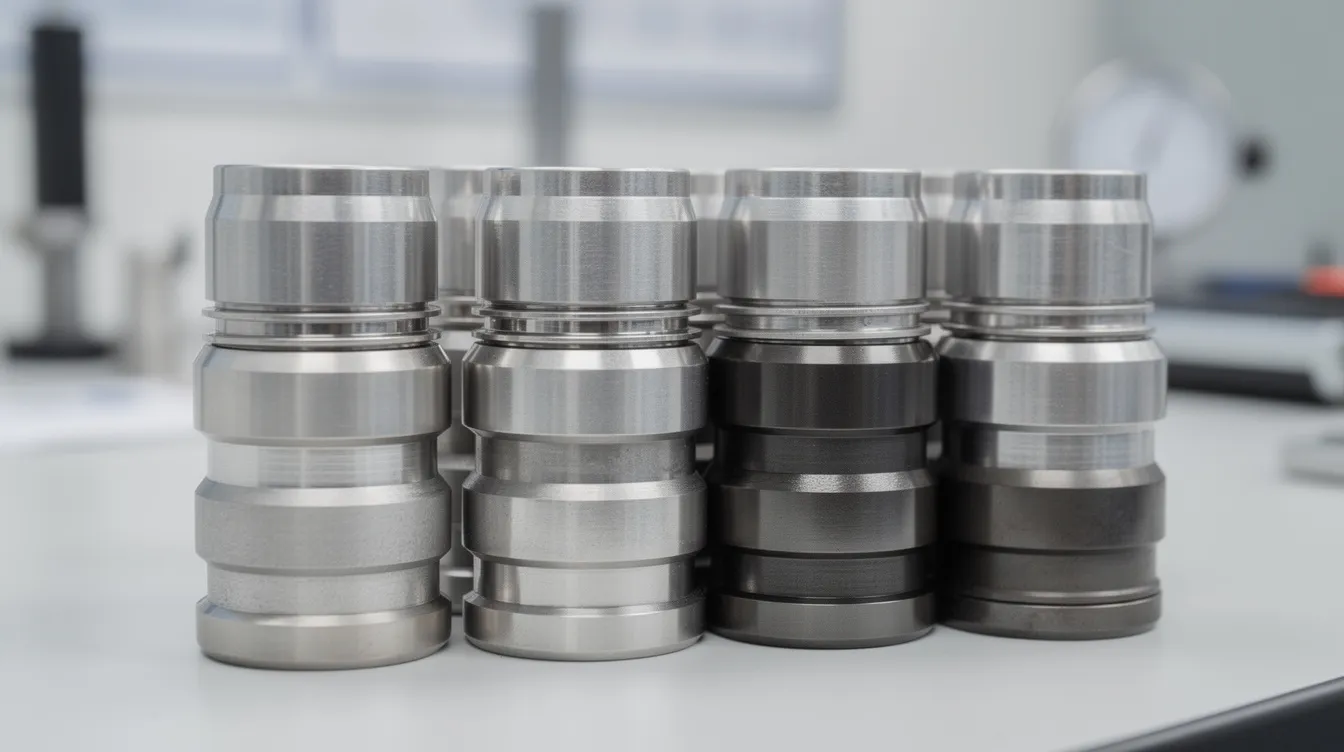
Anebon Metal Products Limited fits the third archetype. Founded in 2010 in Dongguan, Anebon focuses on precision CNC machining, die casting, and sheet metal fabrication from prototypes to production. Capabilities include tight tolerances down to ±0.002 mm on machined features, support for aluminum, stainless steel, and titanium, plus sheet metal tolerances compliant with ISO 2768. Anebon is suitable for overseas OEMs needing 20 to 100 housings with machined heat sinks and laser-cut covers in one coordinated project.
How Anebon Supports Small-Quantity Sheet Metal Projects End-to-End
This section describes Anebon’s approach to small-batch sheet metal fabrication and how the company serves prototype-to-production workflows.
-
Rapid prototyping with DFM feedback: Anebon provides DFM review within 24 to 48 hours of receiving your CAD file. The team accepts prototype orders starting at a single piece and scales to production without requiring a supplier switch.
-
In-house capabilities: Fiber laser cutting, CNC pressing and bending, welding, CNC milling, CNC turning, and 5-axis machining. Surface treatments (anodizing, powder coating, plating) are handled through audited partners.
-
Quality assurance: ISO 9001:2015 and ISO 14001:2015 certified. Incoming material inspection, in-process checks, and final inspection reports are available on request. Machined feature tolerances reach ±0.002 mm; sheet metal work follows ISO 2768 standards.
-
Industries served: Medical devices, aerospace components, robotics frames, and industrial electronics enclosures. Project volumes range from 5 to 10 early prototypes up to a few thousand units per year.
-
Dual presence: Anebon combines precision parts machining and sheet metal fabrication at its Dongguan facility, eliminating the need for buyers to coordinate between separate CNC and sheet metal shops.
-
Call to action: Send your CAD files and project requirements to Anebon for a tailored quote and engineering review of your small-quantity sheet metal and CNC projects.
Practical Tips to Reduce Cost and Risk on Your First Small Batch
Design decisions and procurement habits have the largest impact on cost and risk when sourcing small quantities of sheet metal from China. Here is what to do before and during your first order.
-
Simplify the design: Reduce the number of bends and consolidate bend radii to minimize tool changes. Specify tolerances of ±0.1 mm only on features that actually need it. Standardize material thickness across parts in your project so the fabricator can cut from the same sheet stock.
-
Batch prototype iterations into one order: If you are testing Version A, B, and C of a bracket, order all three in the same batch. The same laser cutting setup, bending program, and shipping cost serve all variants, spreading NRE across more pieces.
-
Agree on inspection scope for your stage: For functional prototypes, inspect critical dimensions at 100%. For non-critical features, sampling is enough. Define clear acceptance criteria for scratches, color variance, or weld appearance before production starts.
-
Provide clear documentation: Dimensioned drawings with GD&T on critical features, notes distinguishing cosmetic from functional surfaces, and explicit finish requirements (e.g., RAL color for powder coating, anodizing thickness) reduce the number of questions and revision cycles.
-
Choose a fabricator that scales with you: Working with a supplier like Anebon that handles both prototypes and production volumes reduces the cost and time of re-qualification when you move from pilot run to injection molding tooling, high volume production, or full-scale assembly.
A strong partnership with a capable Chinese fabricator helps teams go from first prototype to reliable production with minimal redesign cycles. Start with a real project, measure results, and build from there.