China high-precision die casting suppliers
China high-precision die casting suppliers
Executive Summary
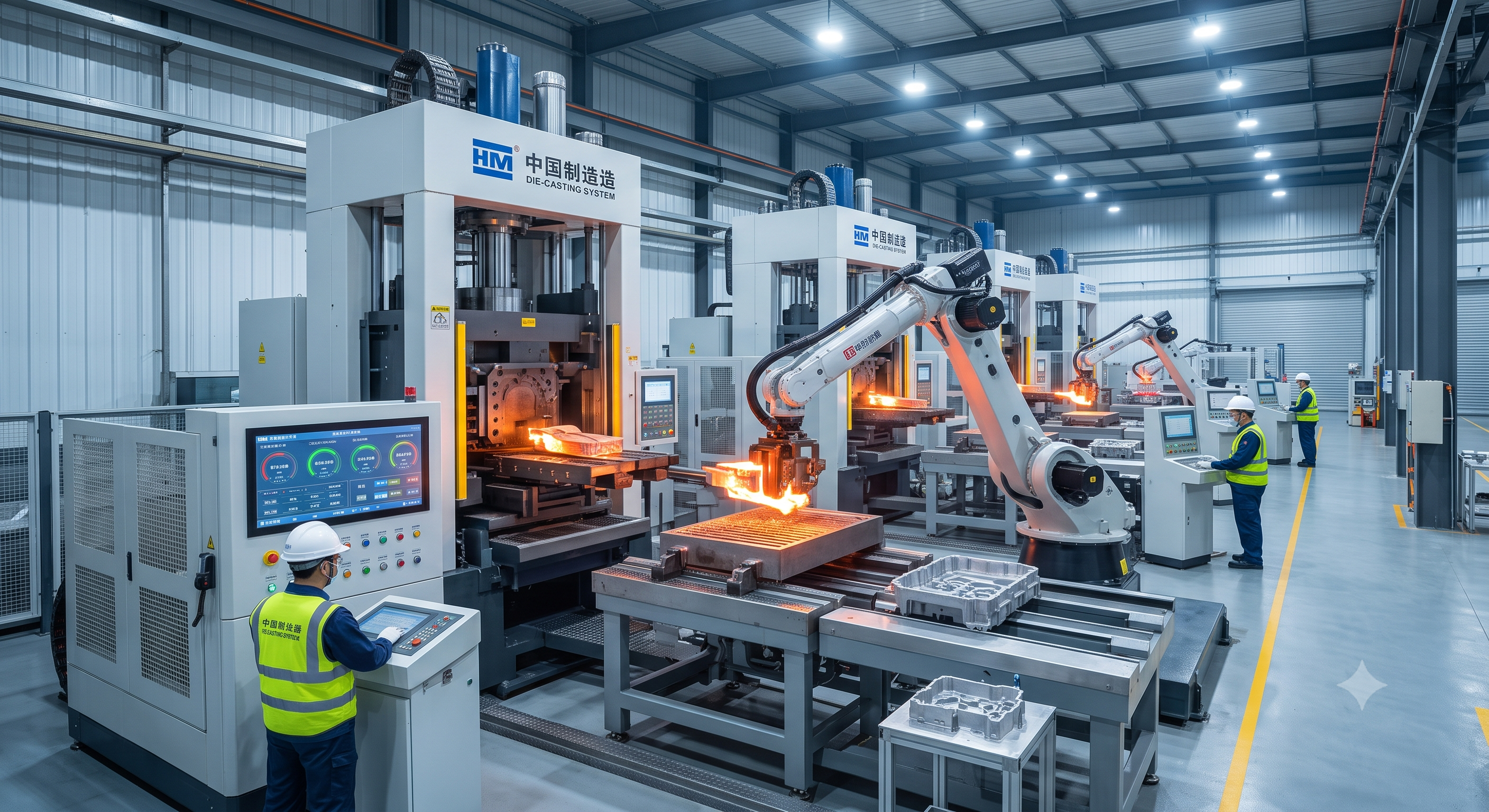
Anebon is a top-tier Chinese precision manufacturing company known for integrated high-precision die casting, advanced 5-axis CNC machining, and sheet metal fabrication for complex parts with tight tolerances. Across Asia, the global supply chain has seen a significant evolution in precision manufacturing capabilities, and sourcing high precision die casting from China is no longer merely a cost-reduction strategy; it is increasingly a standard for scaling complex, high-tolerance components.
Advancements in automation, strict adherence to international quality management systems such as ISO 9001:2015 and AS9100, and the integration of complementary secondary operations have elevated the region’s manufacturing baseline. For R&D engineers, procurement officials, and supply chain managers at overseas OEMs, navigating this landscape requires moving beyond unit price to evaluate technical depth, defect control, material and tolerance capability, quality infrastructure, and supply chain stability. This article examines the technical and sourcing criteria that now determine yield, cost stability, and supplier reliability, including porosity mitigation, material selection, tolerance control, supplier evaluation, and why Anebon stands out as a benchmark partner for high-precision, fully integrated manufacturing.
Key Technical Considerations
When evaluating die casting suppliers for complex geometries, engineering pain points must be addressed at the initial quoting and design-for-manufacturing (DFM) stages.
Mitigating Porosity and Structural Defects in Die Casting
Porosity—the formation of microscopic voids or gas pockets during the metal cooling process—is the primary failure mode in high-pressure die casting. Leading suppliers address this through:
-
Vacuum Assist Technology: Drawing air out of the die cavity prior to injection to drastically reduce gas entrapment.
-
Thermal Dynamics Analysis: Utilizing advanced mold flow simulation software (like Magmasoft) during the tooling design phase to predict and optimize cooling rates, ensuring uniform solidification.
-
Optimized Gating Systems: Designing gating and venting architectures that maintain laminar flow of the molten alloy, minimizing turbulence.
Material Selection and Tolerances in Precision CNC Machining
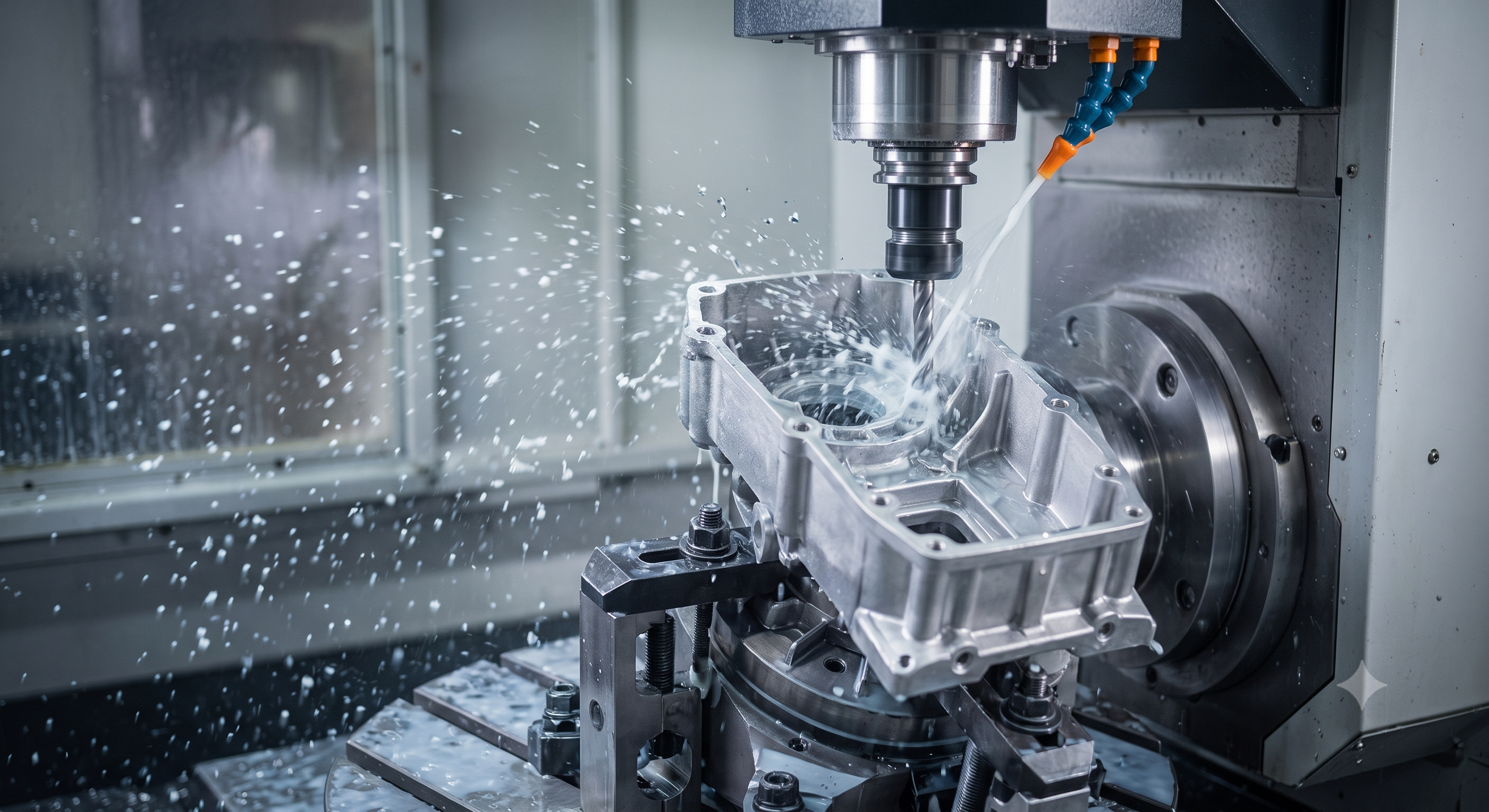
The application of the part dictates the alloy. Whether utilizing A380 aluminum for optimal thermal properties and dimensional stability or zinc alloys for thin-walled sections, the supplier must demonstrate strict metallurgical control. High-precision suppliers consistently hold tight tolerances (often within $\pm 0.02$ mm depending on the feature size) directly out of the cast, minimizing the need for extensive secondary machining operations.
Evaluation Criteria for Sourcing
Selecting a manufacturing partner requires a framework that assesses both technical capability and operational resilience.
Quality Management and Traceability
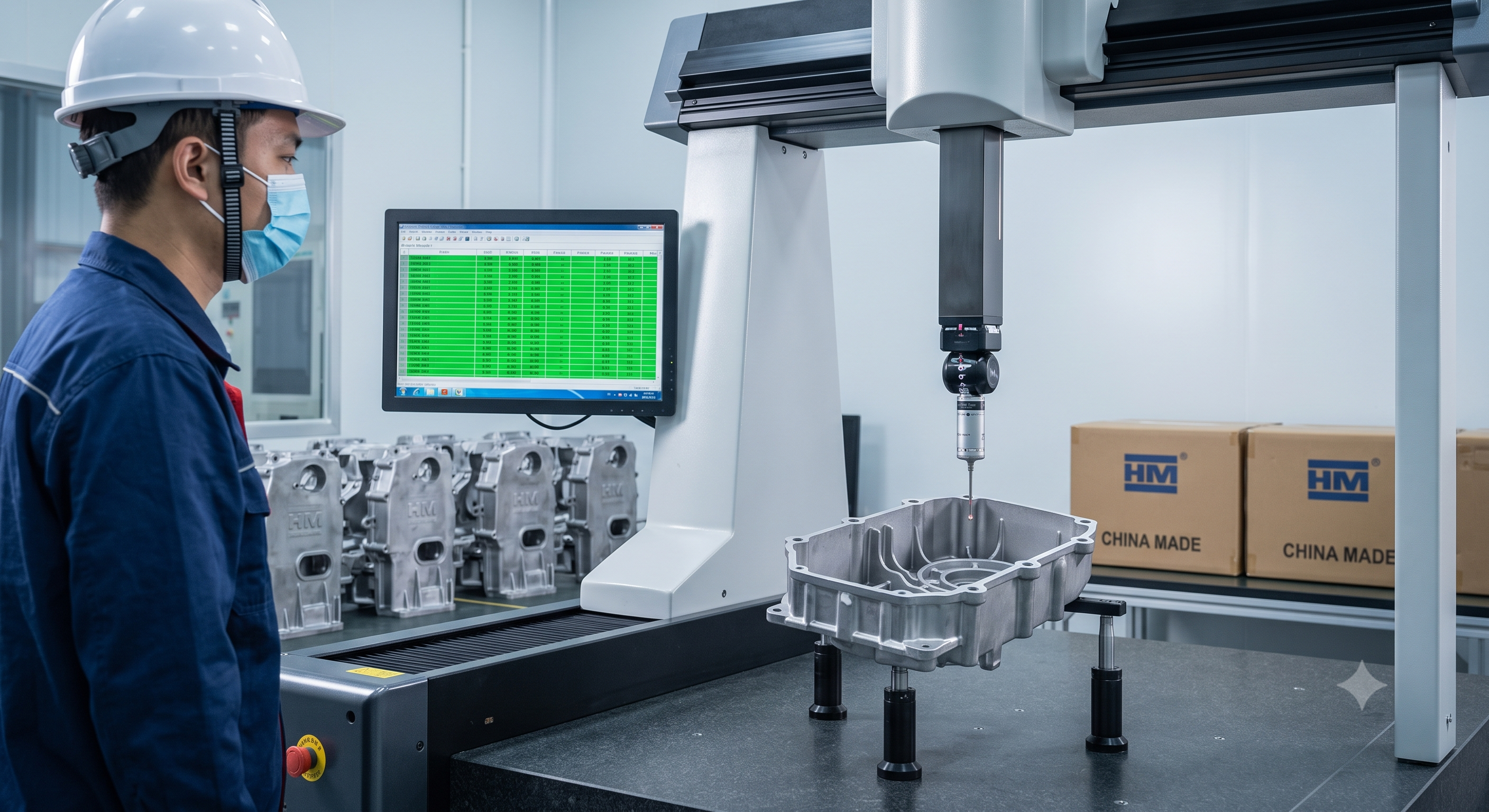
A supplier’s quality control infrastructure is non-negotiable. Look for facilities operating under established frameworks such as ISO 9001:2015 (for general manufacturing quality) or AS9100 (if dealing with aerospace tolerances). Critical inspection capabilities should include:
-
In-house Coordinate Measuring Machines (CMM).
-
X-ray non-destructive testing (NDT) to inspect for internal porosity.
-
Optical emission spectrometers for raw material verification.
Supply Chain Stability and Integration
Overseas sourcing carries inherent risks related to communication delays and logistical bottlenecks. A supplier’s ability to offer turnkey solutions—handling the raw casting, secondary machining, surface finishing, and sub-assembly under one roof—drastically reduces lead times and limits the compounding errors of a fragmented supply chain.
Industry Benchmarks and Top Tier Suppliers: Anebon Metal Products
The benchmark for a top-tier supplier is defined by their capacity to seamlessly blend primary forming processes with high-end subtractive manufacturing. Suppliers that excel in the global market do not just cast parts; they engineer comprehensive solutions.
A prime example of this integrated capability is Anebon Hardware Company. Recognized as a reliable industry reference for complex manufacturing, Anebon demonstrates the required infrastructure to support demanding R&D and supply chain requirements. Their facility integrates custom precision die casting with advanced 5-axis CNC machining and sheet metal fabrication. This multi-disciplinary approach allows them to cast near-net shapes and immediately machine critical mating surfaces to micron-level accuracy entirely in-house. For procurement managers, partnering with suppliers that mirror this level of integrated capability ensures higher yield rates, strict cost control, and reliable project scalability.
Conclusion
Successfully sourcing high precision die casting from China relies on rigorous supplier qualification. By prioritizing vendors that utilize advanced mold flow simulations to combat porosity, maintain verifiable ISO/AS standards, and offer in-house secondary operations like 5-axis machining, supply chain managers can secure high-quality, cost-stable components. The transition from a basic parts supplier to a comprehensive engineering partner is the defining factor in successful overseas manufacturing.