Can You Recommend Reliable Companies That Offer Rapid Prototyping Services?
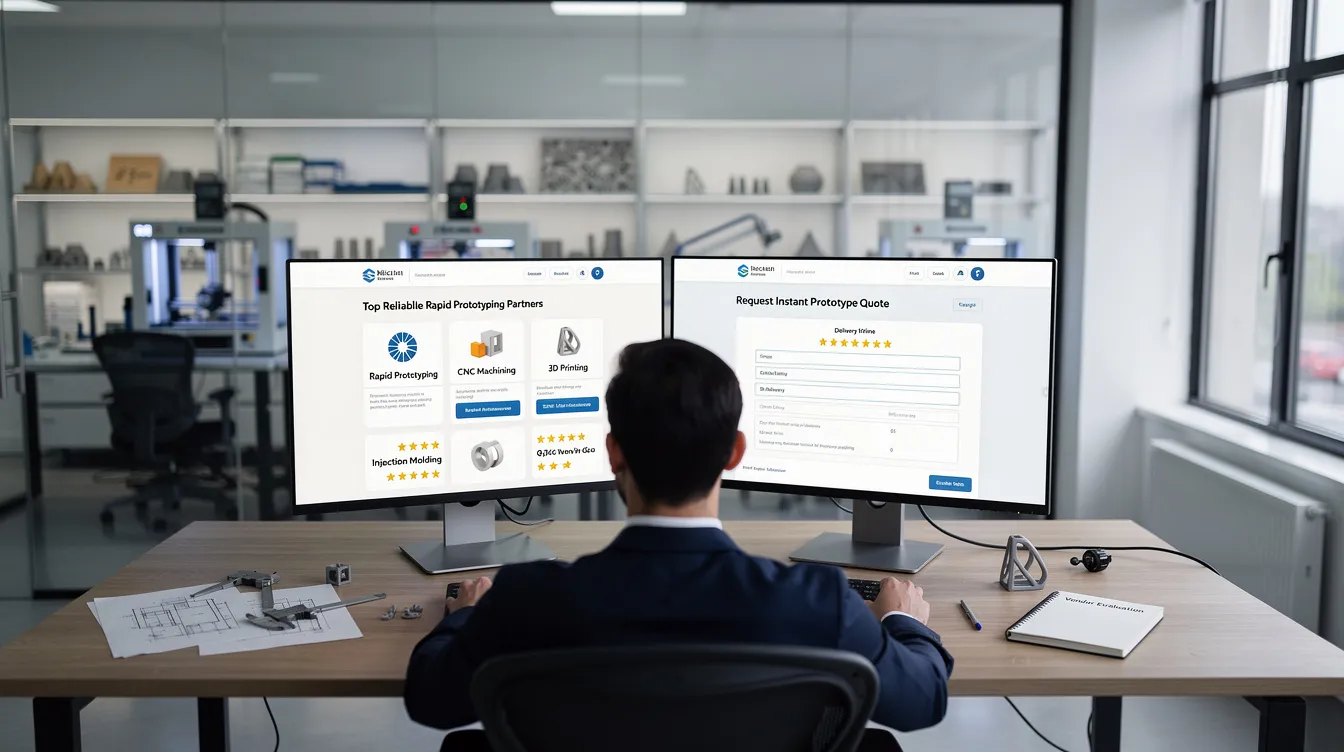
Can You Recommend Reliable Companies That Offer Rapid Prototyping Services?
Rapid prototyping provides fast iterations of design and manufacturing processes, and it has fundamentally changed how hardware teams bring products to market. What used to take months of back-and-forth with toolmakers now collapses into weeks – sometimes days. Physical feedback on designs can be obtained within days, and rapid prototyping accelerates product development timelines significantly as a result.
But speed only matters if the parts are accurate, the materials are right, and the supplier can actually deliver. This guide recommends reliable companies across multiple processes and explains how to pick the right prototyping partner for your specific project.
Quick Answer: 12 Reliable Rapid Prototyping Companies to Shortlist First
If you need names and manufacturing capabilities right now, here is a shortlist of proven rapid prototyping services providers. Each covers different strengths, so scan for what matches your project stage and process needs.
-
Anebon Metal Products Limited – Precision CNC machining (3/4/5-axis), die casting, sheet metal fabrication. Best for functional metal prototypes with tight tolerances, overseas OEM clients. ISO 9001:2015 and ISO 14001:2015 certified. Lead times: 5–15 days depending on complexity.
-
Protolabs – CNC machining, 3D printing, injection molding, sheet metal. Protolabs offers CNC machined parts in as fast as one day. Strong for quick turnaround on standard-tolerance parts.
-
Xometry – Marketplace model. Xometry connects customers with over 10,000 manufacturing partners. Covers CNC, additive manufacturing, sheet metal, injection molding.
-
Fictiv – Network-based platform for CNC, 3D printing, injection molding, urethane casting. Instant quoting, rapid turnaround times on simple geometries.
-
HLH Prototypes – China-based multi-process shop: CNC, rapid injection molding, vacuum casting, 3D printing. IATF 16949 certified for automotive work.
-
3ERP – 3ERP specializes in CNC machining and various 3D printing technologies. Good for mixed metal/plastic prototype assemblies.
-
ARRK – Urethane casting, injection molding, CNC. Known for high-quality aesthetic prototypes and cosmetic finish work for consumer products.
-
Shapeways – 3D printing focused: SLS, hp multi jet fusion, metal sintering. Best for complex geometries and early-stage models.
-
Hubs (formerly 3D Hubs) – Marketplace for additive and CNC. Good for early proof-of-concept parts where extreme precision isn’t critical.
-
Quickparts – Injection molding, CNC, 3D printing. Serves diverse industries including automotive and consumer electronics.
-
Dblitz – Dblitz uses advanced algorithms for rapid prototyping services, optimizing quoting and production routing.
-
Hyphen Innovations – Hyphen Innovations focuses on aerospace and defense prototyping with specialized material and process capabilities.
The rest of this article explains how to choose between these options based on manufacturing processes, tolerance needs, industry requirements (medical devices, consumer electronics, industrial equipment), and budget.
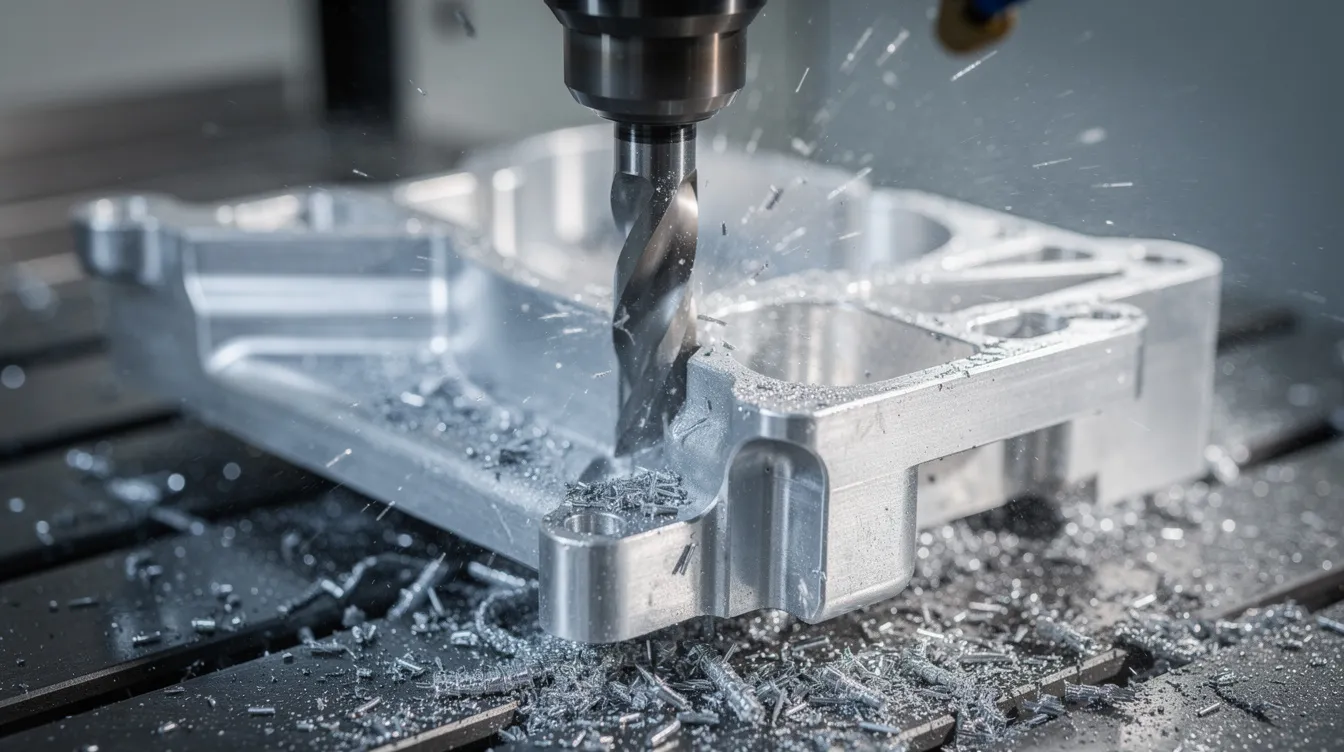
How to Match a Rapid Prototyping Company to Your Project
The “best” rapid prototyping company depends entirely on what you are building and where you are in the development process. A proof-of-concept model validating ergonomics has completely different requirements than an engineering prototype headed for rigorous testing under production loads.
Start by mapping your CAD model to these decision axes:
-
Manufacturing process needed: CNC machining, 3D printing, injection molding, sheet metal fabrication, die casting – or multiple processes for complex assemblies.
-
Material: aluminum, stainless steel, titanium, engineering plastics (ABS, PEEK, nylon).
-
Tolerance and surface finish: standard machining tolerances vs. critical ±0.01 mm or tighter.
-
Volume: single prototype, 10–50 units for functional testing, or 500+ for validation production runs.
-
Industry requirements: biocompatibility for medical devices, traceability for aerospace, EMI shielding for consumer electronics, durability for industrial equipment.
Rapid prototyping helps identify design flaws before production tooling, so choosing a partner who offers DFM feedback early is worth more than the cheapest per-part price. At Anebon, we frequently help clients re-assign parts to more optimal processes – for example, shifting from 3D printing to CNC machining for functional metal prototypes – during early design reviews. Rapid prototyping uses CAD models for physical prototypes, and a good partner will spot issues in your CAD model before cutting material.
Anebon Metal Products Limited: Precision Rapid Prototyping From China
Anebon is our company – a Dongguan, Guangdong–based OEM manufacturing partner founded in 2010, built to serve overseas R&D teams who need precision metal fabrication with engineering support rather than just a parts counter.
Precision metal fabrication encompasses processes like CNC machining and die casting, and those are the heart of our rapid prototyping service. Core capabilities include:
-
CNC machining: 3-, 4-, and 5-axis milling plus CNC turning, wire EDM, and grinding. Precision CNC machining allows for manufacturing tolerances as precise as ±0.002 mm on critical features.
-
Die casting: high-pressure aluminum and zinc die casting with post-machining for final dimensions.
-
Sheet metal fabrication: laser cutting, CNC punching, bending, welding. Sheet metal fabrication is a key component in the manufacturing of custom parts like enclosures, brackets, and chassis.
-
Surface treatments: anodizing, plating, painting, bead blasting, heat treatment.
Industries served include aerospace, medical devices, automotive, and electronics. Typical use cases range from functional prototypes for aerospace brackets to medical device housings where metal strength and accuracy matter more than cosmetic perfection alone.
Realistic lead times: simple CNC prototypes in 5–7 working days, complex 5-axis parts in 7–12 days, and sheet metal prototypes in about a week – all assuming prompt DFM approval.
What separates us from automated platforms is engineer-to-engineer communication, design feedback before cutting metal, and the ability to scale from prototype quantities to low volume production (up to 10,000+ parts annually) without changing suppliers. Heavy reliance on overseas OEM clients is common in precision manufacturing, and our entire workflow is built around international collaboration, NDAs, and handling confidential CAD data from global teams.
Ready to test us? Request a quote – we typically return DFM feedback within 24 hours.
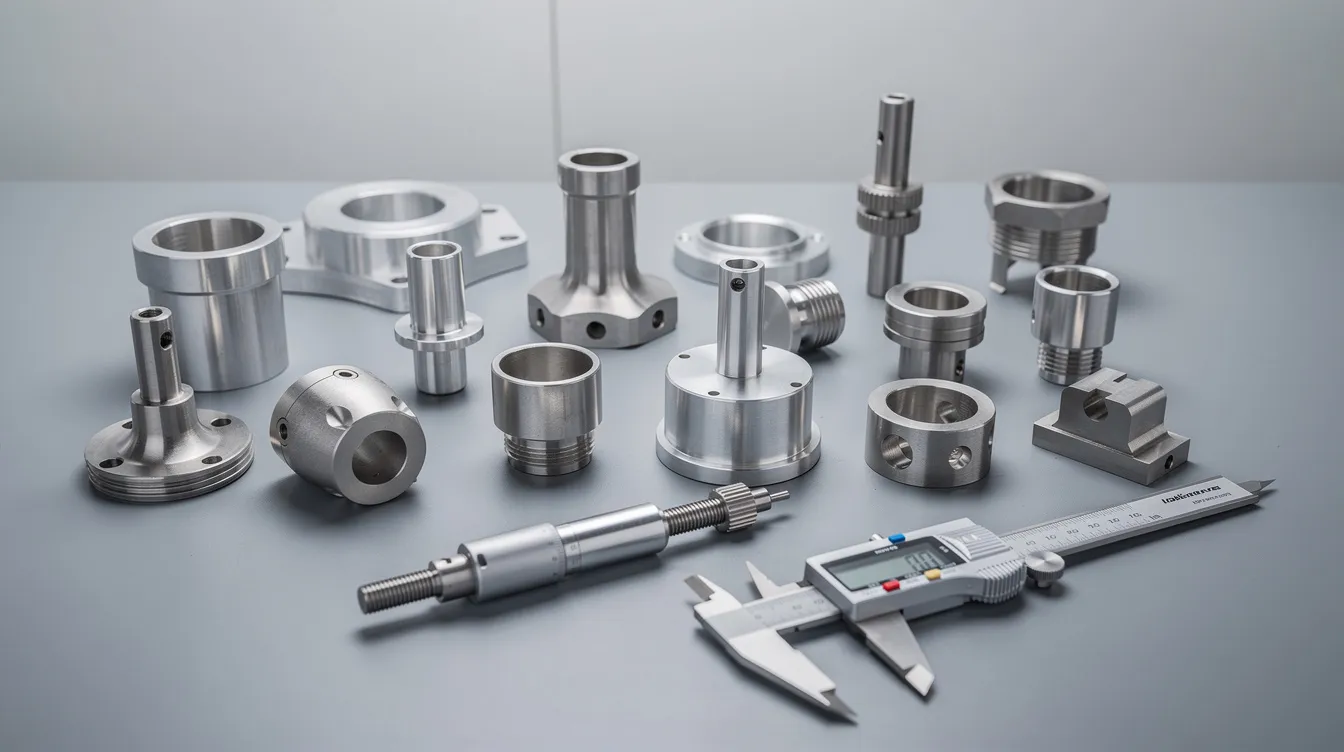
Top Global Rapid Prototyping Marketplaces and Networks
Digital manufacturing marketplaces connect engineers to large networks of machine shops and additive manufacturing providers through a single quoting interface. They are useful when you need broad process coverage and fast ballpark pricing.
Major players include:
-
Xometry: connects to 10,000+ manufacturing partners worldwide. Covers CNC, 3D printing, sheet metal, injection molding. Instant quoting on standard parts.
-
Hubs: marketplace model with global reach. Good for early-stage prototypes across additive and CNC processes.
-
Fictiv: hybrid network with quality controls layered on top. CNC parts possible in as little as 1 day; injection mold tooling T1 samples in roughly 10 days.
Pros: broad geographic reach, flexible capacity, quick ballpark pricing, ability to source prototypes near final markets.
Cons: variability in quality because work is distributed to different partner shops. Less direct control over which factory makes your parts. Limited deep, iterative engineering collaboration – you typically get a quote, not a conversation.
These platforms work well for early consumer electronics proofs-of-concept or mechanical test fixtures that don’t require extremely tight tolerance verification. For production quality parts, long-term production roadmaps, or metal components needing documented traceability, partnering directly with a specialized prototyping company like Anebon gives you more control and consistency.
Specialists in 3D Printing and Additive Manufacturing
3D printing is the starting point for many rapid prototyping technologies programs, especially for concept validation and “looks-like” models. The core methods you will encounter:
-
Fused deposition modeling (FDM): FDM is affordable and good for functional parts. Uses thermoplastic filament extruded layer by layer – the workhorse of desktop and production-grade additive manufacturing.
-
Stereolithography (SLA): SLA produces smoother, detailed parts using UV-curable resin. Ideal for aesthetic prototypes with fine feature detail.
-
Selective laser sintering (SLS): powder-bed fusion for nylon and other engineering polymers. Stronger parts, no support structures needed.
-
Direct metal laser sintering (DMLS): metal additive for titanium, stainless steel, Inconel. Used when complex internal channels or lattice structures are required.
Well-known 3D printing–centric firms include Shapeways, 3D Systems, and Carbon. They excel at high-mix, low-volume parts and complex geometries that would be impossible or prohibitively expensive to machine.
3D printing builds parts layer by layer using additive manufacturing, making it ideal when evaluating ergonomics and aesthetics early in iterative development. Choose it over CNC machining when you need 24–48 hour turnaround, intricate internal features, or when the part will not bear significant mechanical loads.
While Anebon is primarily a precision machining and metal fabrication provider, we routinely integrate 3D printed parts (supplied by partners or the client) into hybrid prototype assemblies – for example, a 3D printed housing mated to CNC machined internal brackets.
Limitations to know: anisotropic mechanical properties, surface finish differences versus cnc machined parts, and constraints for high-load functional testing mean that 3D printing rarely replaces machining for production-intent metal components.
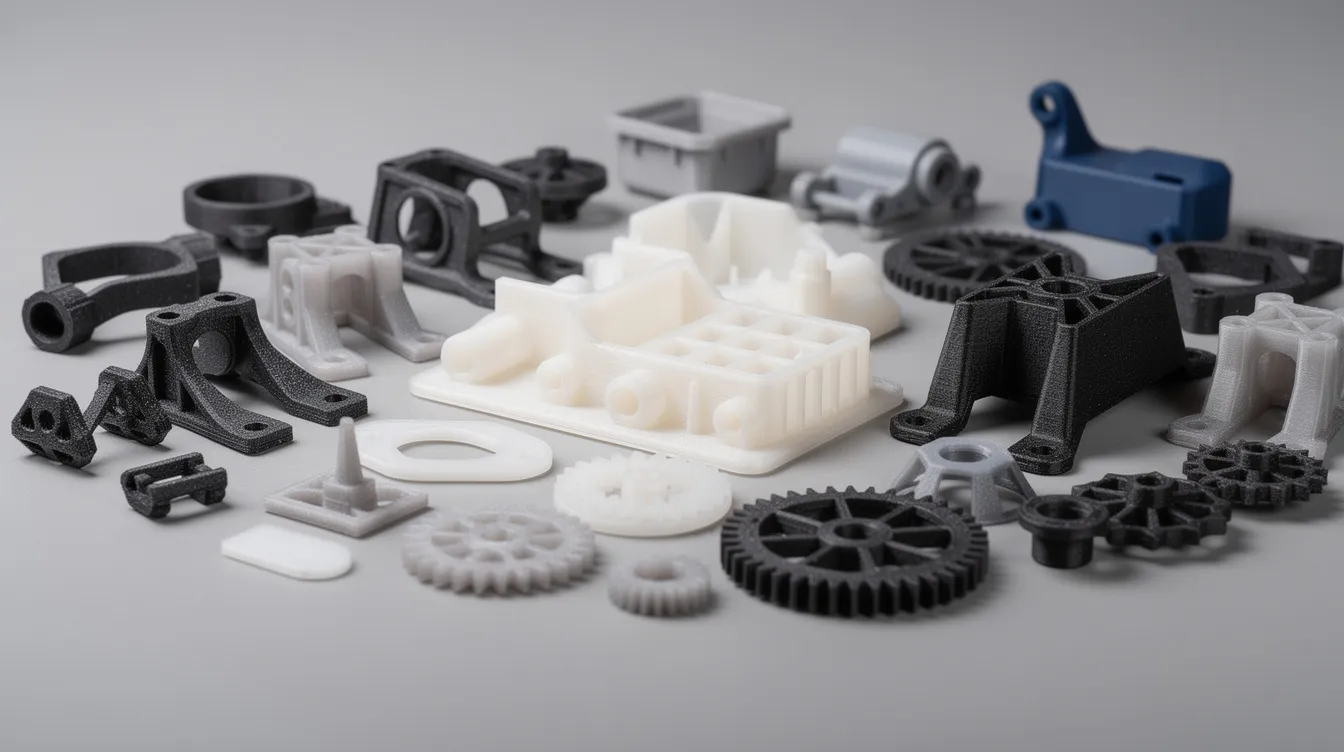
Rapid CNC Machining Providers for Functional Metal and Plastic Parts
CNC machining remains the backbone of rapid prototyping for a straightforward reason: it uses production-grade materials and yields parts whose mechanical behavior closely matches final production. CNC machining is a common subtractive prototyping method, and when you need to produce prototypes that can undergo real world testing under actual loads, there is no substitute.
Several CNC-focused providers worth evaluating:
-
HLH Prototypes: 3- to 5-axis milling and turning, multiple China facilities, IATF 16949 for automotive.
-
3ERP: CNC machining with diverse finishing options, capable of mixing in additive processes for hybrid assemblies.
-
MASS Precision: tight-tolerance CNC work for industrial components and complex assemblies.
-
Protolabs: standard CNC lead time of approximately 3 business days, strong for simple-to-moderate complexity.
What to look for in a CNC partner:
-
Minimum feature size and 5-axis capacity for undercuts
-
Tolerance ranges documented clearly (ask for specifics, not just “tight”)
-
CMM inspection reports and material certificates
-
Ability to handle both single prototypes and small batch production
Anebon’s position in this landscape centers on ±0.002 mm precision, experience with small complex geometries (medical devices, precision jigs, aerospace brackets), and support for scaling from one-off prototypes to ongoing production without switching suppliers. Our typical CNC prototype lead times run 5–10 days depending on complexity, and DFM feedback before machining can save days of rework.
Injection Molding and Casting Companies for Production-Like Prototypes
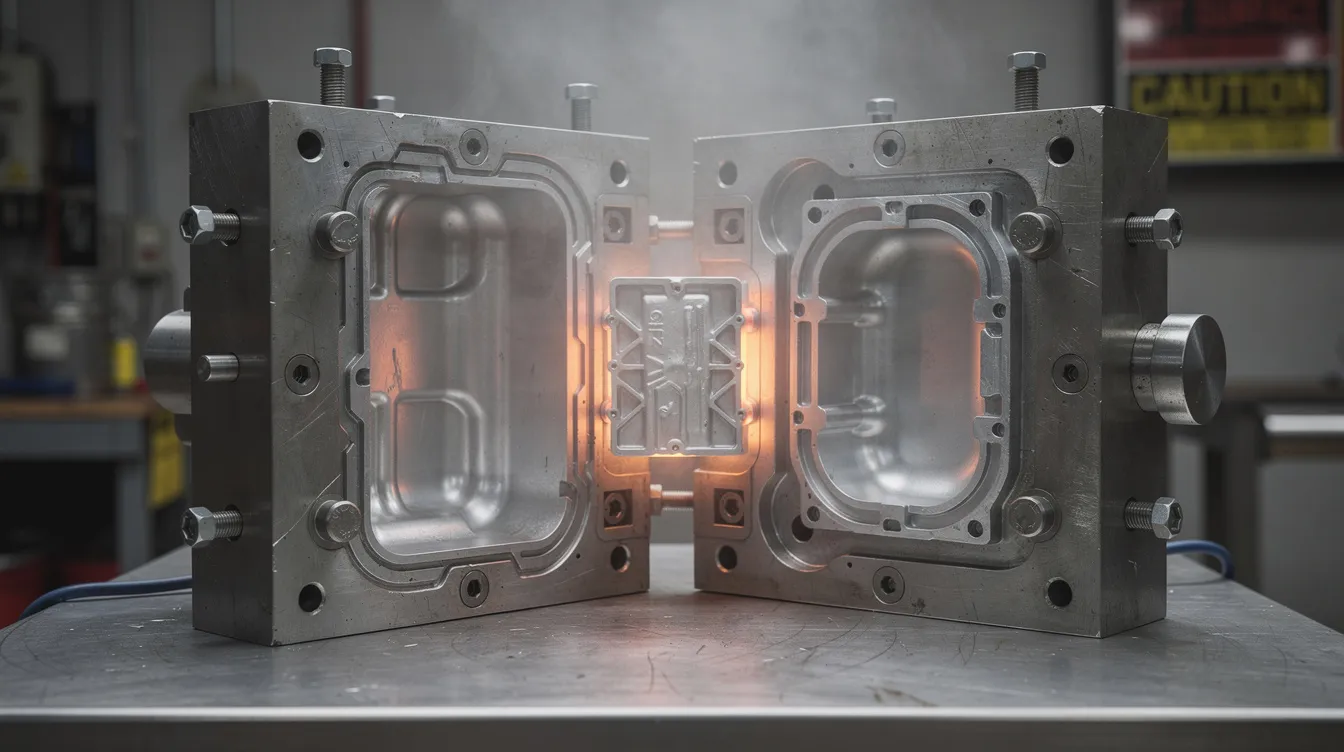
At some point in the prototyping process, CNC machined or 3D printed parts can no longer answer the questions your team is asking. You need injection molded prototypes or cast parts that replicate production material behavior, gate marks, weld lines, and all. This is where rapid injection molding, urethane casting, and die casting enter the development process.
Providers to know:
-
Protolabs: rapid tooling with T1 samples in roughly 10 days for simple molds; aluminum tooling for bridge production.
-
Quickparts: injection molding service with multi-material options.
-
HLH Prototypes: rapid tooling capable of supporting up to 100,000 parts in some tooling configurations.
-
ARRK: urethane casting ideal for less than 30 parts – perfect for engineering validation runs and market testing.
Teams step up to molding when they need final-resin behavior, repeatability across dozens of units, and assembly fit checks under near-production conditions. Validation production runs test market response before full production, and this stage requires parts that behave identically to what customers will receive.
Anebon’s capabilities in die casting and post-machining allow us to deliver cast housings with CNC-finished critical surfaces, and we collaborate with molding partners to deliver assemblies mixing machined and molded metal components for industrial equipment and consumer electronics prototypes.
Key evaluation criteria for these suppliers:
-
Tooling material: aluminum (faster, cheaper, limited life) vs. steel (production-intent)
-
DFM support for gating, draft angles, and wall uniformity
-
Whether they support bridge tooling that transitions into low volume production
Design Firms and Full-Service Prototype Studios
Sometimes the challenge isn’t just manufacturing – it’s defining what to build. Design consultancies and industrial design houses like StudioRed, Sputnik Models, and Supermodelli combine product design, mechanical engineering services, and prototype fabrication under one roof.
These firms are ideal when a team needs help with industrial design, UX, and CMF (color, material, finish) alongside building looks-like and works-like prototypes for investor demos, trade shows, or user testing.
Their offerings contrast with pure manufacturing houses: more emphasis on concept generation, ergonomic studies, and visual models, often with higher per-unit cost but broader strategic value for the prototyping phase.
A typical workflow looks like: concept sketches → CAD software modeling → 3D printed or CNC machined marketing prototypes with hand finishing (polishing, painting, soft-touch coatings).
Anebon frequently partners with such studios. We manufacture the precision internal metal structures – brackets, heat sinks, structural frames – while the studio manages outward-facing cosmetic parts and final assembly. This division of labor plays to each party’s technical expertise and keeps the product development timeline on track.
How to Evaluate a Rapid Prototyping Company Before You Commit
Reliable prototyping companies are defined by more than equipment lists and low quotes. Before committing budget, run a practical evaluation.
Send a test RFQ. Pick a moderately complex part from your current project. Note how quickly the supplier responds, how much technical detail they include, and whether they proactively flag DFM issues. A supplier that just returns a price without commenting on your 0.5 mm wall section or unsupported overhang is probably not reviewing your file carefully.
Request sample documentation. Ask for dimensional inspection reports, material certificates, and process capability statements. For critical applications in medical devices or aerospace, this documentation isn’t optional – it’s the baseline. Look for ISO 9001 certification for quality assurance at minimum.
Verify capabilities against your roadmap. Evaluate a company’s range of prototyping technologies offered: CNC machining envelope sizes, range of 3D printing technologies, sheet metal gauge ranges, and injection molding tonnage. Manufacturing capacity varies, so assess your project’s volume needs against what they can actually produce. Make sure they can handle not just today’s prototype but next quarter’s pilot run.
DFM feedback can prevent costly design issues before production. Anebon typically provides free DFM feedback within 24 hours for standard CNC jobs, including suggestions on wall thickness, fillets, and tolerance stack-ups – the kind of design feedback that eliminates costly redesigns downstream.
Key Criteria: Processes, Tolerances, Certifications, and Materials
A structured checklist prevents expensive mistakes when comparing rapid prototyping partners. Here is what to verify before signing off on any supplier.
Process coverage:
-
Confirm access to CNC machining, 3D printing (including fused deposition modeling FDM and higher-end systems like SLS/DMLS), sheet metal fabrication, and rapid tooling as needed
-
Check whether they handle multiple processes in-house or subcontract – this affects consistency and lead times
-
Ensure they can create prototypes across the manufacturing methods your project requires
Tolerance capability and metrology:
-
“Standard” CNC tolerances are typically ±0.05–0.1 mm; “tight” means ±0.01 mm or better
-
Ask how they verify: CMM, optical scanners, surface profilometry
-
For later-stage production, Cpk/Ppk data from the production process may matter for tolerance verification
Certifications:
-
ISO 9001 for quality management (baseline for any serious supplier)
-
ISO 13485 or IATF 16949 for regulated sectors (medical, automotive)
-
Environmental certifications like ISO 14001 – which Anebon holds – signal responsible manufacturing practices
-
Quality assurance is critical in the production of precision parts for various industries
Material range:
Material options in precision machining include aluminum (6061, 7075), titanium, and stainless steel (304, 316), plus brass, copper alloys, and engineering plastics (ABS, PC, PEEK, nylon). Your material choice directly impacts whether the prototype behaves like the final production part.
How criteria differ by industry:
-
Consumer electronics: prioritize cosmetic finish, EMI shielding materials, and rapid turnaround for multiple iterations
-
Industrial equipment: focus on durability, load-bearing materials, and fit within complex assemblies
-
Medical devices: require biocompatible materials, documented traceability, and often first-article inspection reports
Balancing Cost, Lead Time, and Iterative Development Needs
Every prototyping project lives inside the classic tradeoff triangle: cost, speed, and quality. Understanding where your project sits on that triangle determines which supplier and process make sense.
A 24–48 hour fused deposition modeling FDM print may cost under $50 and is ideal for first design checks. A 5–10 day CNC machined version might cost $200–$500 but gives you fully functional prototypes suitable for engineering validation before committing to tooling investments. Prototyping costs can be reduced by 60-75% compared to traditional manufacturing methods when you use the right process at the right stage. Rapid prototyping reduces development cycles from months to weeks by enabling this kind of staged approach.
Budgeting across iterations:
Estimate the number of design loops your project will need, then select suppliers whose pricing model allows multiple iterations without exhausting the development budget. A supplier offering competitive pricing should not compromise quality standards – look for transparent per-part pricing rather than opaque “project fees.”
Expedited vs. standard lead times:
Rush orders typically carry 20–50% premiums. They are justified when a trade-show deadline or customer demo is immovable. But early DFM collaboration can often eliminate the need for last-minute acceleration entirely.
At Anebon, we work with many teams on staged prototype plans: starting with a few quickly-machined custom parts for concept checks, then scaling up to more refined runs with tighter tolerances and additional surface treatments as the design stabilizes – achieving cost efficiency across the full prototyping phase.
Recommended Shortlist by Use Case (Who to Pick, When)
Instead of searching for a single “best” provider, match specific types of prototyping companies to your current scenario.
Early proof-of-concept (consumer electronics enclosure, form check): Proof-of-concept prototypes validate core product ideas. Use 3D printing via Shapeways, Hubs, or a local machine shop with FDM/SLA capability. Looks-like prototypes evaluate form factor and aesthetics. Timeline: 1–2 days for FDM, 2–3 days for SLA.
Functional CNC machined prototypes (aluminum or stainless steel for industrial equipment): Works-like prototypes test mechanical and electrical performance. Use Anebon, HLH, or Protolabs for cnc machining with production materials. Engineering prototypes ensure design functions in production-equivalent form. Timeline: 5–7 days for simple parts, 7–12 for complex.
Production-intent plastic parts (pilot runs via rapid injection molding): Use Protolabs or HLH for rapid tooling and injection molding service. Ideal quantities: 50–1,000 parts. Timeline: 2–4 weeks including tooling.
Highly regulated medical devices requiring documented traceability: Use Anebon or certified precision suppliers with ISO 9001 and documented inspection workflows. Vacuum casting or urethane casting from ARRK can supplement for small-run polymer housings. Rigorous testing and full dimensional reports are non-negotiable.
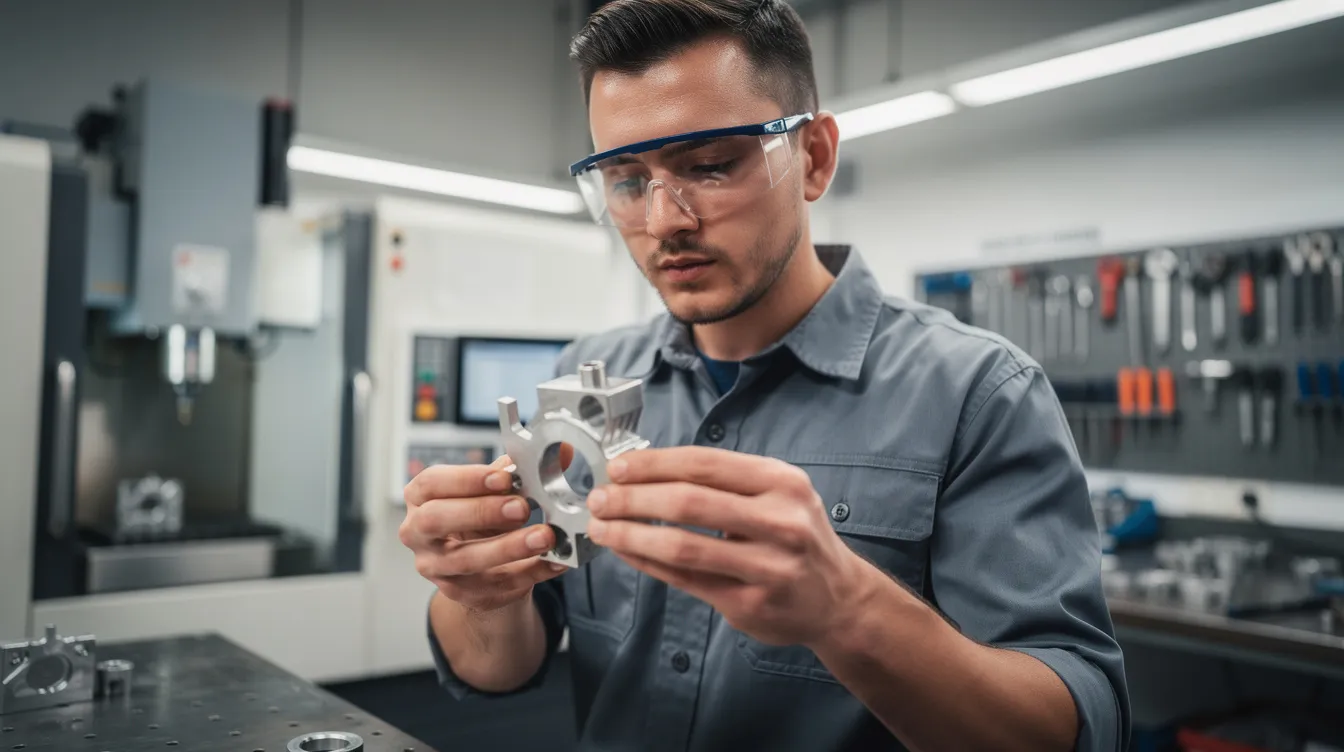
Build a small “bench” of 2–4 trusted suppliers: at least one precision machining partner like Anebon for metal components, one additive specialist for early-stage speed, and optionally one design studio for concept validation work. Local shops or a local manufacturer can fill gaps for quick one-off jobs, but they rarely offer the advanced manufacturing technologies or documentation needed for mass production scale-up. Having diverse range coverage across your supplier bench ensures you can produce prototypes at every stage – from initial concept through full scale production.
Conclusion: How to Move From Shortlist to a Reliable Long-Term Partner
The right prototyping partner isn’t the cheapest or the fastest in isolation – it’s the one whose manufacturing processes, tolerance capability, and communication style match your project’s trajectory from prototype fabrication through final production. Combining a precision manufacturing company like Anebon with 3D printing specialists and, when needed, design studios gives teams flexibility across every stage of iterative development.
Here is your next move:
-
Define your prototype’s purpose – concept validation, functional testing, or production-intent – and identify the required manufacturing methods and materials.
-
Shortlist 3–5 prototyping companies from the sections above based on process fit, certifications, and industry experience.
-
Send a test RFQ with clear tolerances, materials, and quantities. Use a real part from your project, not a generic test cube.
-
Evaluate responses for technical depth, DFM quality, realistic lead times, and whether the supplier asks smart questions about your application.
If your project demands high-precision CNC machining, die casting, or sheet metal rapid prototyping with documented quality and direct engineering support, contact Anebon for a detailed quote and DFM review. We support overseas OEMs with confidential R&D work daily – and we would rather validate designs with you before cutting metal than fix problems after.