Best Uses for Riveted Metal in Home Design and DIY Projects
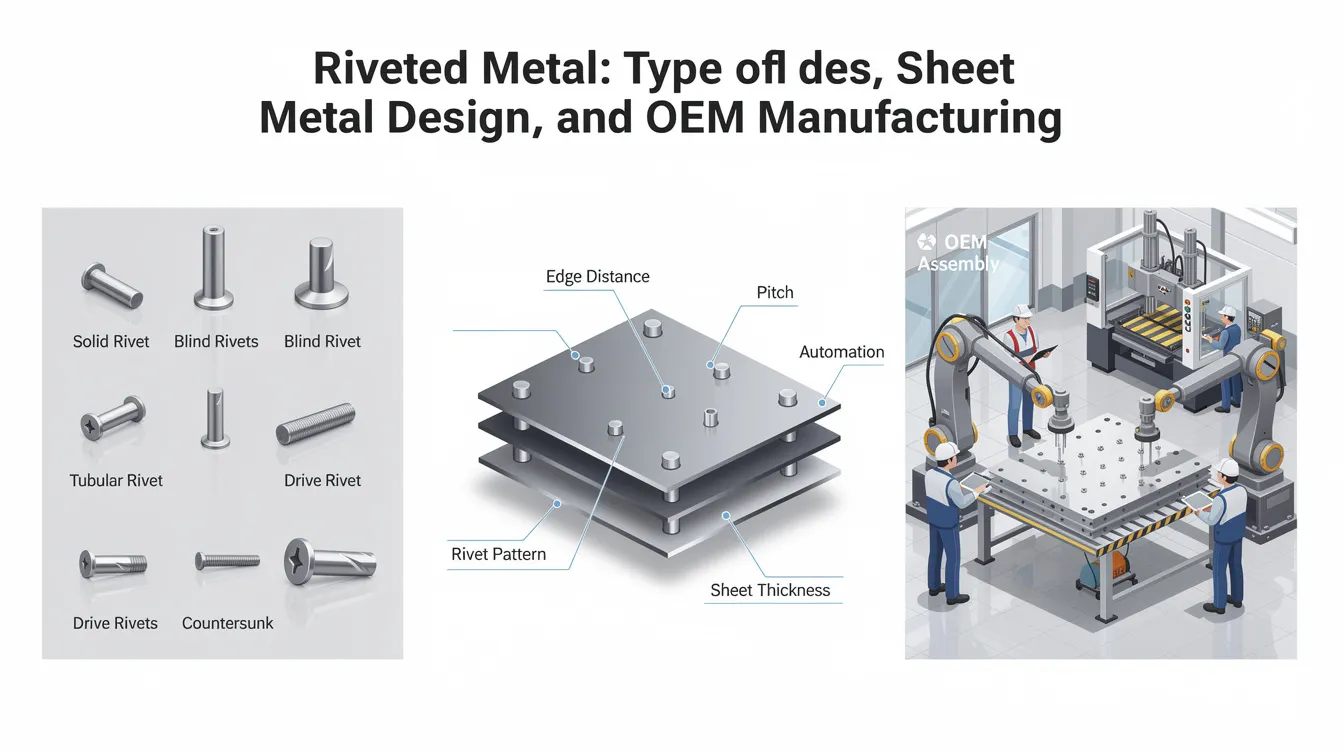
Riveted Metal: Types of Rivets, Sheet Metal Design, and OEM Manufacturing
Riveted metal refers to assemblies where two or more pieces of metal are permanently joined using rivets rather than welds, screws, or adhesives. Rivets are permanent mechanical fasteners used to join metal pieces by clamping through pre-made holes and plastically deforming to lock components in place. This joining method has shaped entire industries and remains critical to precision manufacturing today.
Introduction to Riveted Metal in Modern Manufacturing
Riveted structures have historical significance in bridges, ships, and buildings dating back well over a century. In aircraft construction, the Douglas DC-3-first flown in 1935-used hundreds of thousands of solid rivets to join its aluminum skin and internal frame. Modern Airbus A320 assemblies still rely on rivets for fuselage skin panels. Beyond aerospace, riveted metal is used in large infrastructure projects like bridges and cranes, automotive body-in-white structures, and industrial machinery covers. Rivets are also commonly used in RV manufacturing for aesthetic joins where permanent, vibration-resistant connections are needed.
So why are rivets still relevant in 2020s precision manufacturing? Riveting is used where high strength and vibration resistance are required. Unlike welding, riveting is suitable for applications requiring minimal heat distortion, which preserves heat-treated material properties in alloys like 7075-T6 aluminum. Rivets also allow designers to join dissimilar metals-say an aluminum sheet to a steel bracket-without the metallurgical complications that welding introduces. These advantages make riveted metal a go-to solution for aerospace, automotive, medical device, and electronics OEMs.
Anebon Metal Products Limited, founded in 2010 in Dongguan, China, is an ISO 9001:2015 and ISO 14001:2015 certified precision metal manufacturer serving overseas OEMs. With capabilities spanning CNC machining, sheet metal fabrication, die casting, and finishing, Anebon delivers riveted metal subassemblies with the tight tolerances that demanding industries require.
How Riveted Metal Joints Work
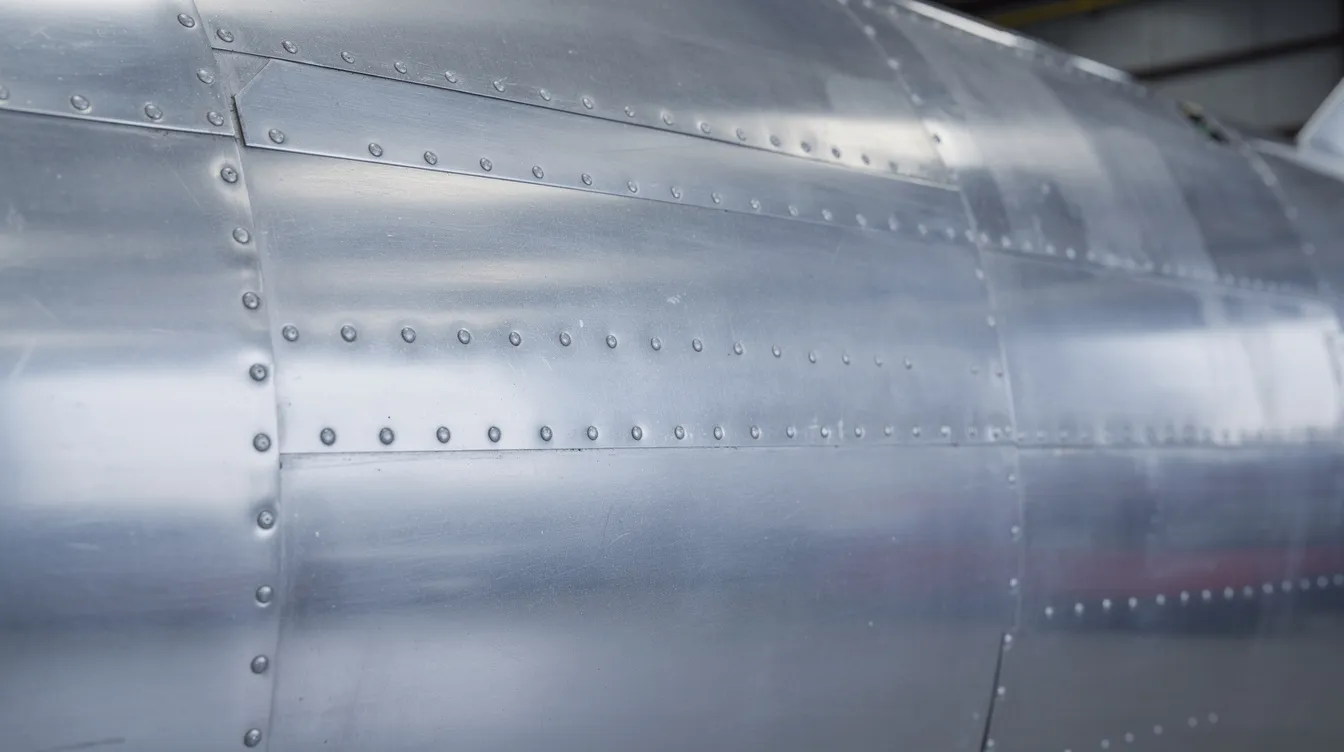
A rivet consists of a smooth cylindrical shaft with a head on one end. To create a joint, you drill a hole through all layers of material, insert the rivet, and then deform the tail end to form a second head-locking the layers together. This plastic deformation clamps the sheets tightly, creating a permanent mechanical connection.
Consider a typical stack-up: two 1.5 mm aluminum sheets joined with a 4.0 mm diameter solid rivet in an overlap (lap) joint. Under shear loading-force parallel to the sheets trying to slide them apart-the rivet shank carries the load. Rivets perform well under shear loading and maintain reliable joint strength, which is why aircraft skin panels (loaded primarily in shear from aerodynamic forces) rely on them. Under tensile loading-force pulling perpendicular to the sheets-the head formation and material bearing become critical, as in elevator hinge brackets or pivot points on control surfaces.
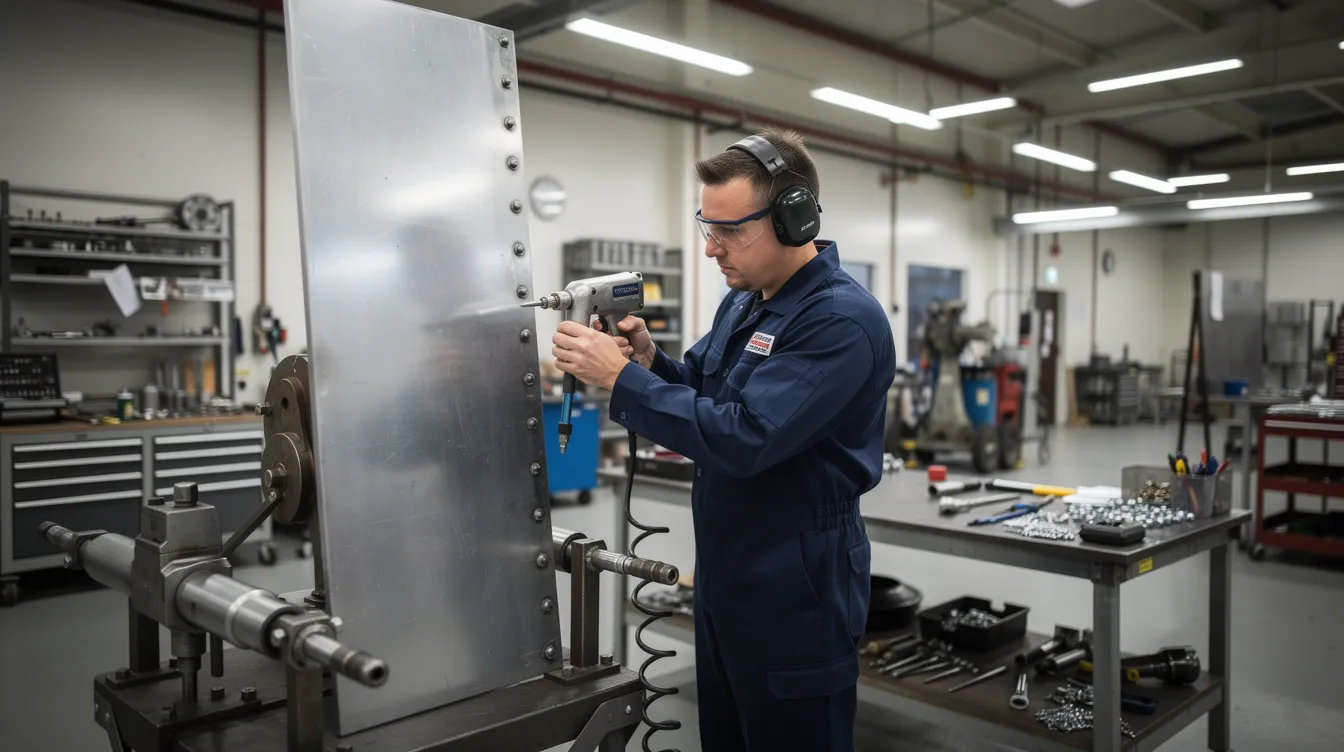
The basic installation sequence follows five steps: (1) drill or punch a clean hole through all layers, (2) deburr edges and verify roundness and correct hole size, (3) insert the rivet ensuring proper grip length matches total material thickness, (4) set the rivet by deforming the tail end using a rivet gun, bucking bar, or squeezer, (5) inspect the installed rivet for proper head shape, flushness, and absence of cracking.
Rivets require pre-drilled holes for installation, and hole quality is critical. Rivets must be ductile enough to deform without cracking during setting. However, drilling holes for rivets can reduce the maximum load the component can carry, so edge distances and spacing must be carefully calculated to avoid stress concentrations and fatigue failures.
Solid Rivets: The Backbone of Structural Riveted Metal
A solid rivet is a one-piece fastener with a preformed head and solid shank, supplied in standards like MS20470 (universal head) and MS20426 (countersunk head). Solid rivets are extremely durable and ideal for permanent joins. They provide permanent installation, unlike bolts, and are nearly immune to vibration loosening-making them the preferred choice for structural applications.
Common head styles serve different purposes. Universal (dome) heads work for internal structure where protrusion is acceptable. Brazier heads-flatter and wider-appeared on WWII aircraft fuselages like the B-17 to reduce airflow separation over curved surfaces. A countersunk head sits flush for aerodynamic or aesthetic needs. Pan heads appear in non-aero applications like machinery covers and equipment panels.
Rivets can be made from aluminum, steel, brass, and copper. The 2117-T4 aluminum solid rivet (classified “AD” per MS20470) is a workhorse in aircraft skins, offering shear strength around 26,000 psi (~180 MPa). Stainless steel solid rivets (304 or 316) serve food-processing equipment and marine environments. Mild steel rivets handle heavy machinery. High-carbon steel rivets may require heat during installation to achieve proper deformation. Rivet diameters are commonly measured in 1/32-inch increments, giving engineers fine control over joint design.
Anebon integrates solid rivet joints into CNC-machined brackets and laser-cut sheet metal parts, machining precise rivet holes to ±0.02 mm. This precision ensures consistent bearing contact and reliable fatigue life across production volumes.
Blind Rivets and Blind Riveted Metal Assemblies
A blind rivet (commonly called a pop rivet) can be installed from only one side, making it essential for closed box sections, enclosures, and thin sheet metal housings where backside access is impossible. The construction consists of a tubular rivet body and a mandrel. Pulling the mandrel through the body causes it to expand on the blind side, forming a head that clamps the joint. The mandrel then breaks at a designed weak point.
Blind rivets are commonly made from soft aluminum alloy and steel, and pop rivets are commonly used in HVAC ductwork and light-gauge fabrication. Specific applications include aluminum blind rivets for ductwork, stainless blind rivets for outdoor telecom cabinets, and sealed (closed-end) blind rivets for marine electronics housings where moisture ingress must be prevented.
Structural blind rivets represent an important subtype. They retain part of the mandrel within the rivet body after installation, boosting shear and tensile strength to approach that of solid rivets. Applications include truck body panels, railcar exterior cladding, and heavy trailer construction where only one side is accessible but load requirements are demanding.
Anebon can supply pre-punched and formed sheet metal parts designed for automated blind riveting in high-volume OEM production lines, ensuring consistent hole positions and proper grip range across thousands of parts.
Flush Rivets and Aerodynamic Riveted Metal Surfaces
A flush rivet (countersunk rivet) sits level with or slightly below the outer surface of the sheet, producing a smooth finish. Flush rivets provide a smooth finish for aesthetic applications, and flush rivets are used for aesthetics and reduced aerodynamic drag-the two primary reasons they dominate aerospace exterior panels.
Boeing 737 and Airbus A320 skin panels use 100° countersunk flush rivets (MS20426 type) to minimize drag over wing surfaces, fairings, and control surfaces. Racing car body panels similarly require minimal airflow disturbance. The design demands tight tolerances on countersink angle, depth, and grip length. Under-countersinking weakens the material; excessive depth causes sheet thinning and potential failure.
While rivets are visible and may affect the aesthetic finish of a product in many cases, flush rivets solve this problem for high-end consumer electronics housings, architectural panels, and decorative metalwork. In decorative contexts, fake rivets can be made from cut-off bolt heads, and decorative rivets can be glued onto screw heads for effect-though these are purely cosmetic, not structural.
Anebon’s CNC milling and 5-axis machining produce accurate countersinks and spot-faces for flush rivet installation in aluminum and titanium components, holding countersink depth to ±0.02–0.05 mm for consistent surface results.
Other Rivet Types Used in Metal Fabrication
Semi-tubular rivets feature a partially hollow shank and require 25% less force to set compared to solid rivets. They appear in hinges, brake components, lighting hardware, and other accessories where moderate strength suffices and setting force or deformation capacity is limited. They accommodate materials like thin steel, aluminum, and even leather or soft plastics in light assembly work.
Self-piercing rivets (SPR) do not require a drilled hole. Instead, the rivet pierces through the top sheet and flares into the bottom sheet, forming a mechanical interlock. This method is widely adopted in automotive body-in-white design for joining steel to aluminum-seen in vehicles from Audi to Jaguar Land Rover. SPR joints eliminate hole-drilling steps, reduce processing time, and work well in hybrid joints combined with adhesives.
Drive rivets are ideal for attaching wood panels aesthetically, and specialty fasteners like Oscar friction-lock and clinch rivets serve niche roles in industrial and transportation equipment. These suit applications where a designer needs a fast, permanent attachment for a panel, plywood backing, or trim piece without high structural demands.
Riveted Metal vs Welding, Screws, and Adhesives
Riveting is a cold assembly process that preserves heat-sensitive materials. Compared to MIG/TIG welding, riveted joints produce no heat-affected zone-critical for heat-treated aluminum alloys like 7075-T6 where a weld would destroy temper properties. Thin sheet metal under 1.0 mm often warps or burns through during welding but can be riveted with minimal distortion. Riveting is also favored for architectural structures due to strength and resistance to cyclic loading.
Compared to threaded fasteners like screws, bolts, nuts, nails, and studs, rivets are permanent and don’t require tapped holes. Bolts allow disassembly but may loosen under vibration; riveted joints excel in environments with cyclic loading and high vibration. However, riveted joints require overlapping plates and additional hardware, increasing weight. Rivets add weight to the assembly compared to alternatives like adhesive bonding.
Structural adhesives (epoxy, acrylic) and hybrid joints (adhesive plus rivet) have gained traction since the 1990s for sealing and NVH reduction. But riveted joints are not typically leak-proof and may require sealants, and riveting typically requires more labor and time compared to welding-riveting can be labor-intensive compared to other methods. Despite these trade-offs, the desired reliability of riveted metal makes it the right method for many cases:
-
Aircraft wing skin: Flush countersunk solid rivets for aerodynamic smoothness and fatigue life
-
Control cabinet door: Blind rivets for speed when only one side is accessible
-
Medical device enclosure: Sealed stainless blind rivets for corrosion resistance and sterilizability
Anebon supports DFM decisions, helping OEM engineers determine when riveted metal is more cost-effective than welded or bolted assemblies.
Designing Sheet Metal Parts for Riveting
Proper design starts with edge distance: maintain at least 2.0–2.5× the rivet diameter from hole center to sheet edge. Pitch between rivets typically runs 4–6× diameter, depending on load. Avoid sharp corners near rivet holes, keep wall thickness adequate, and use radii to distribute stress and prevent cracking.
Recommended thickness ranges by rivet type and material:
|
Joint Type |
Aluminum |
Stainless Steel |
|---|---|---|
|
Solid rivet |
0.6–3.0 mm |
≥ 0.8 mm |
|
Blind rivet |
0.8–2.5 mm |
0.8–2.5 mm |
|
SPR |
Up to 6–12 mm stacked |
Up to 6–12 mm stacked |
For hole sizing, a 1/8″ (~3.175 mm) solid rivet typically needs a hole of about 3.26 mm-slightly oversize to ease insertion without sacrificing bearing contact. Rivets allow for joining dissimilar metals without galvanic corrosion issues when proper coatings or isolation methods are used. When joining an aluminum sheet to a stainless bracket, apply anodizing, zinc plating, or sealant to prevent galvanic corrosion.
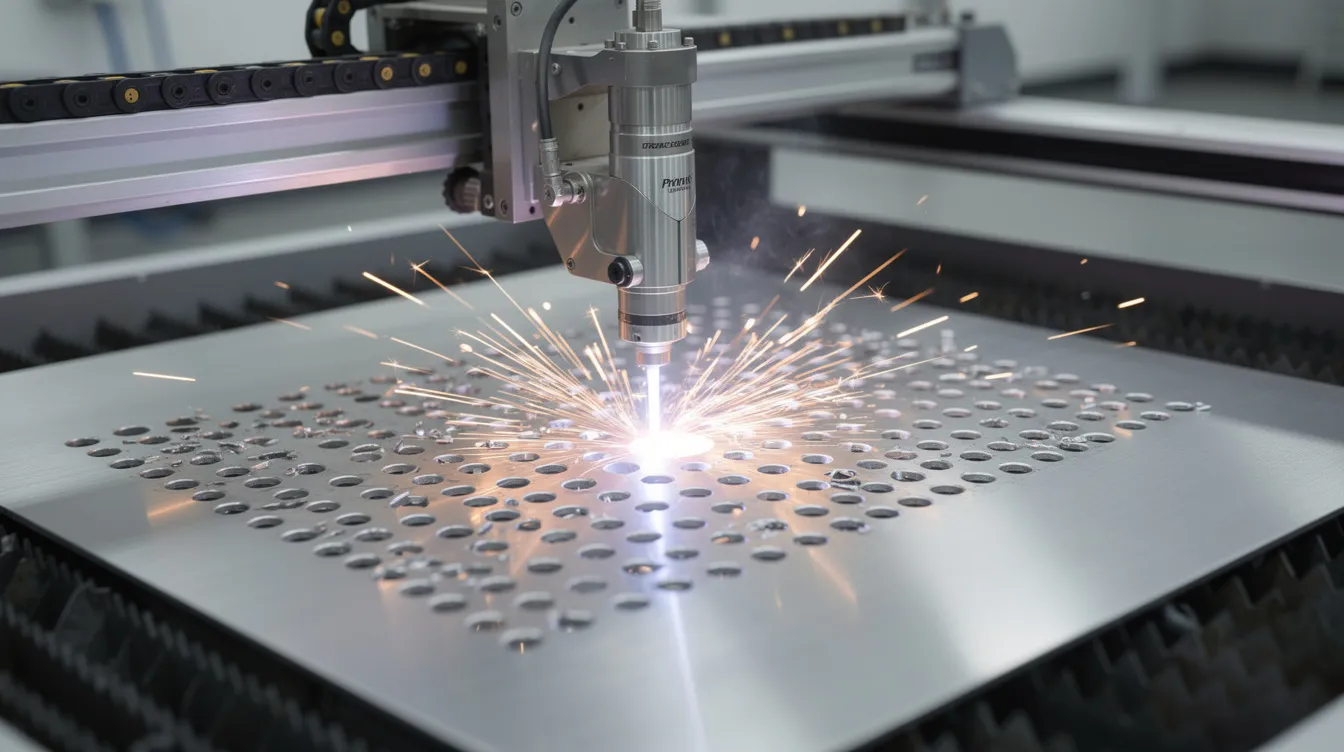
Anebon’s sheet metal fabrication capabilities-fiber laser cutting, CNC bending, hardware insertion-produce rivet-ready components with consistent hole positions and bend allowances suited to automated or manual assembly.
Materials and Surface Treatments for Riveted Metal Assemblies
Common materials in riveted metal products include aluminum alloys (5052, 6061, 2117-T4), low-carbon steel (SPCC), stainless steel (304, 316), and occasionally titanium for aerospace and medical devices. Matching rivet material to sheet material minimizes galvanic risk-aluminum rivets in aluminum sheets are ideal, while stainless or steel rivets in aluminum require coatings.
Compatible surface treatments include anodizing (aluminum), powder coating, zinc plating, bead blasting, and passivation (stainless). The image size of surface defects matters for inspection-even light scratches around rivet heads can indicate installation problems. Timing matters: finishing before riveting protects the surface but risks damage during setting; finishing after riveting ensures complete coverage but requires masking of assembly features.
For overseas OEMs, environmental compliance is non-negotiable. RoHS-compliant finishes, ISO 14001:2015 processes, and proper waste treatment are standard requirements. Anebon manages material sourcing, certifications, and finishing through one supply chain for complete riveted metal subassemblies, including aluminum electronic enclosures and industrial plate assemblies.
Quality Assurance and Testing of Riveted Metal Joints
The quality of a riveted joint can be easily checked through visual inspection-examining head formation, shop head shape, flushness for countersunk rivets, and absence of gaps or cracks. Riveted joints are easy to inspect visually for quality control, which is a significant advantage in production environments. Inspectors verify rivet protrusion length, hole alignment, and proper setting before approving assemblies.
Destructive testing on first-article samples includes shear tests, tensile pull-out tests, and peel tests, following MIL-STD, ASTM, or custom OEM specifications. Non-destructive techniques include the “ring test” (tapping to detect loose rivets by sound), torque/tension checks on structural blind rivets, and periodic sampling plans for ongoing production.
Anebon uses ISO 9001:2015 quality systems with CMM measurement and documented process controls to maintain consistent rivet-hole dimensions and sheet metal geometry, ensuring riveted metal assemblies meet aerospace, medical, and industrial reliability requirements.
Riveted Metal in Anebon’s CNC and Sheet Metal Service Portfolio
Anebon supports a range of riveted metal assemblies: aluminum enclosures with blind rivets, stainless control panels with countersunk flush rivets, die-cast housings combined with riveted sheet metal covers, and chassis brackets with solid rivets attaching bar-stiffened backing plates.
The workflow is straightforward. A customer submits 3D CAD and drawings; Anebon reviews for DFM-checking rivet spacing, hole tolerances, grip length, and material compatibility-then provides a quotation covering machining, sheet metal, finishing, and assembly. Capability highlights include CNC milling and turning to ±0.002 mm precision on critical features, 5-axis machining for complex brackets, and tight positional tolerances for rivet hole patterns across multi-part assemblies.
Anebon supports rapid prototyping (small batches for fit, strength, and fatigue testing) through full production runs. Unlike competitors offering only “cut-and-ship” services, Anebon combines precision machining, sheet metal fabrication, and design feedback-reducing redesigns, install errors, and tooling changes for OEM programs.
Choosing the Right Riveted Metal Solution for Your Project
Selecting between solid, blind, and flush rivets comes down to four factors: access, strength, appearance, and production volume. If both sides are accessible and high shear/tensile strength is the desired outcome, solid rivets are the clear choice. If only one side is accessible, use blind rivets in a 1.0–2.0 mm sheet metal enclosure; for higher loads with single-side access, structural blind rivets or SPR joints are better suited. Where a smooth, aerodynamic or decorative surface is required-such as a panel, frame, or cover-flush rivets deliver the clean finish that standard dome-head rivets cannot.
Early involvement of your manufacturing partner reduces costly redesigns, especially for high-volume OEM products with 12–24 month development cycles. Every detail-from rivet type to hole tolerance to coating-impacts cost, strength, and production speed. Getting these decisions right at the design stage, with tools like DFM review and proper equipment planning, prevents expensive changes downstream.
Ready to move forward? Send your CAD files or engineering drawings to Anebon Metal Products Limited for a detailed DFM review and quotation on riveted metal assemblies. Whether your project involves aerospace-grade flush rivets or high-volume blind-riveted enclosures, Anebon’s integrated machining, fabrication, and finishing capabilities are built to deliver.