Best Precision CNC Machining Suppliers
Best Precision CNC Machining Suppliers
Finding the right precision CNC machining supplier can make or break a product launch. Whether you are sourcing aerospace structural components, medical implants, or automotive parts, the supplier you choose directly affects part quality, lead times, and total cost. This guide walks you through who the leading suppliers are right now, what capabilities to verify, and how to evaluate partners so you stop guessing and start qualifying with confidence.
Fast Answers: Who Are the Best Precision CNC Machining Suppliers Right Now?
If you are a sourcing manager looking for concrete options for precision cnc machining services in 2026, here is a representative shortlist. These are not the only qualified shops, but they illustrate the range of strengths available in the market today.
-
Protolabs: an automated digital manufacturing platform with instant pricing and ISO 9001, ISO 13485, AS9100, and itar registration. Protolabs can deliver CNC machined prototypes in as little as one day, with standard tolerances around ±0.005 in and precision tolerances down to ±0.001 in.
-
Xometry: an AI-powered manufacturing marketplace with a global network of over 10,000 vetted suppliers. Holds ISO 9001, ISO 13485, IATF 16949, AS9100D, and ITAR certifications. Strong for broad process access and fast quoting through a single platform.
-
Astro Machine Works: an ESOP-owned company certified to ISO 9001 and AS9100D with an 82,000-square-foot facility. Offers large milling envelopes up to 118 in × 236 in, turning up to 40 in diameter × 160 in length, plus wire edm and grinding.
-
Rapid Axis: widely recognized for quick-turn cnc machined parts with strong engineering support, serving aerospace, defense, and medical customers.
-
United CNC Machining: operating since 1979 with over 60 advanced CNC work centers. ISO 9001 certified and ITAR-registered, handling both metals and plastics with tolerances as tight as ±0.0002 in.
-
AIP Precision Machining: a plastics-only specialist for medical devices and life sciences, operating under ISO 13485, FDA registration, AS9100, and ITAR. Machines biocompatible engineering plastics like PEEK, Ultem, and PPSU.
-
TXSwiss (Aaero Swiss-type capability): Swiss turning specialist achieving tolerances down to ±0.0001 in with surface finishes around Ra 0.2 μm. Ideal for small, high-precision components.
-
Advance CNC Machining: a dedicated cnc machining company known for multi-axis milling and turning services across a broad range of industries.
The best cnc machining companies for your project depend on your industry (aerospace, automotive, medical), tolerance needs, material requirements, volume (prototype vs. high volumes), and documentation expectations. When evaluating any supplier, prioritize these buying criteria:
-
Current ISO, AS, or IATF certifications verified at the plant level
-
cnc milling and cnc turning capabilities matching your part geometry
-
In-house inspection with CMMs and surface roughness testers
-
Documented on-time delivery record over the past 12 to 24 months
CNC machining can handle both low and high volume production, so make sure your shortlisted suppliers can scale with your program.
What Is Precision CNC Machining? (And Why Supplier Choice Matters)
CNC machining is a manufacturing process in which computer-controlled machines perform milling, turning, and drilling operations to remove material from a workpiece along pre-programmed toolpaths. When we add “precision” to the description, we are talking about holding tight tolerances of ±0.0005 in or better, achieving fine surface finishes below 32 μin Ra, and maintaining documented repeatability across production runs. CNC machining can achieve tolerances as tight as ±0.002 mm on critical features.
The difference between generic cnc machining services and true precision machining comes down to process control. A precision cnc machining shop invests in temperature-controlled environments, frequent tooling calibration, in-process verification, and rigorous geometric dimensioning and tolerancing. A standard job shop may hold ±0.005 in on most features and call it a day.
It is worth clarifying that a cnc machining company, or contract manufacturer, produces parts submitted by customers. This is different from a CNC machine builder, which is an equipment OEM manufacturing the machine tools themselves. When evaluating a machining service, you are assessing the shop’s process disciplines, metrology, and material handling, not just the brand of mill or lathe on the floor.
Precision is non-negotiable in industries like aerospace and defense, medical devices, EV and automotive, semiconductors, robotics, and industrial equipment. CNC machining services generate $46.3 billion in the U.S., and 299,500 machinist jobs are projected in the U.S. by 2024, underscoring just how central this machining process is to the economy. CNC machining is essential in aerospace, automotive, and medical industries where imprecision leads to scrap, regulatory rejection, or safety failures.
Choosing the right supplier reduces scrap, rework, and delays. It directly impacts cost, product reliability, and time-to-market.
Key Machining Capabilities to Check Before You Shortlist Suppliers
Before diving into certifications and pricing structures, verify that a supplier has the technical fit for your parts. This section helps you quickly screen machining companies based on machining capabilities.
Capabilities to confirm:
-
3-axis cnc milling for straightforward flat and box-shaped parts, 4-axis for indexed features, and 5-axis cnc milling service for complex geometries and undercuts
-
Multi-axis cnc turning with live tooling and Y-axis for off-center features, plus mill-turn centers for single setup operations
-
Swiss turning and swiss machining for very small, high-precision, long or slender parts
-
Wire EDM for precise cutting of hard materials and intricate profiles
-
Grinding (surface and cylindrical), honing, and lapping for ultra-fine finishes
-
Surface finishing options including anodizing, passivation, plating, polishing, and bead blasting
Tolerance and size ranges to ask about:
-
Precision machining tolerances can reach levels as tight as ±0.0001 inches in Swiss-type operations
-
Standard precision work typically targets ±0.0005 in on critical features
-
Large-part envelopes vary widely. Astro Machine Works handles milling up to 118 in × 236 in. Ask your candidate shops about maximum part sizes.
-
3-axis machines handle straightforward flat and box-shaped parts, while 5-axis machining allows complex part production in a single setup
Materials scope to verify:
-
Metals: aluminum 6061 (commonly used in CNC machining) and aluminum 7075 (known for its high strength-to-weight ratio), stainless steels 304, 316, 17-4PH, titanium (often used for aerospace applications due to its strength), Inconel, brass, copper
-
Stainless steel is a popular choice for medical device components
-
Engineering plastics like PEEK, Ultem, and Delrin for high-purity applications
-
CNC machining supports a wide range of materials including aluminum and titanium, plus composites for specialized applications
CNC milling produces intricate shapes with high tolerances. CNC turning is ideal for cylindrical parts. Multi-axis capabilities improve machining efficiency and accuracy. Confirm which of these your supplier handles routinely, not just occasionally.
How We Evaluated the Best Precision CNC Machining Suppliers
This article uses a transparent framework similar to procurement audits rather than marketing hype. Instead of ranking by revenue or brand recognition, we assessed suppliers on their ability to meet regulated industry requirements, deliver precise parts consistently, and scale with customer needs.
Here are the six criteria we applied:
-
Certifications and compliance: ISO 9001 is a baseline certification for CNC machining companies. AS9100D is essential for aerospace industry compliance. IATF 16949 is required for automotive OEM supply chains. ISO 13485 certification is crucial for medical device manufacturers. ITAR and CMMC address defense data and export controls.
-
Multi-axis machining capabilities including 5-axis milling, mill-turn, and swiss machining
-
In-house inspection and metrology: CMMs, vision systems, surface roughness testers, and documented inspection protocols
-
Scalability from prototype to production volume, assessed by machine count, facility size, and shift structure
-
Engineering and DFM support: Design for Manufacturability support optimizes designs for efficient manufacturing. Automated CAD analysis flags manufacturability issues during quoting. DFM feedback reduces costly engineering changes after tooling is cut.
-
On-time delivery record and reject rates based on available customer references or published metrics
We validated maturity and capacity using public information like founding dates (United CNC Machining since 1979, Astro Machine Works since 1984), facility sizes (Astro at roughly 82,000 sq ft), and machine counts (United CNC with 60+ CNC work centers).
Marketplace models like Xometry and Fictiv were assessed differently from vertically integrated shops like Astro Machine Works and Advance CNC Machining. Marketplaces were judged on network breadth, quoting speed, and certification access across their supplier base. Dedicated shops were judged on direct process control, engineering contact, and consistency.
Marketplace vs. Dedicated CNC Machining Companies
Buyers increasingly face a choice between digital manufacturing marketplaces like Xometry, Fictiv, and the Protolabs network and dedicated precision cnc machining shops like Rapid Axis, Astro Machine Works, and United CNC Machining. Each model suits different situations.
Strengths of marketplaces:
-
Instant quoting and instant pricing through AI-driven platforms
-
Broad access to a global network of capacity across cnc machining, 3D printing, injection molding, sheet metal, laser cutting, and waterjet cutting on a single platform
-
Fast turnaround, especially for functional prototypes and non-critical parts
-
No minimum order quantity on many platforms
Tradeoffs of marketplaces:
-
Variability in which specific shop gets your job, meaning quality and certification levels can differ order to order
-
Less direct contact with machinists and engineers for complex projects
-
Possible hidden costs from duties, shipping, and rework
-
Slower feedback loops for tolerance-critical or regulated work
Advantages of dedicated cnc machining companies:
-
Tighter process control and consistent quality from the same team and machines
-
Direct engineering collaboration for complex parts and stringent quality control requirements
-
Clearer accountability and easier auditing
-
Better alignment for regulated work in aerospace, medical, and defense
Modern CNC machining suppliers utilize digital platforms for quoting and project tracking regardless of model. For rapid prototypes, commodity parts, or when you need a comprehensive range of processes quickly, a marketplace can be very efficient. For mission-critical components, tight-tolerance production machining, and regulated programs, a dedicated shop is the safer bet.
Top Precision CNC Machining Suppliers by Use Case
The best supplier depends on your application, not just overall reputation. Here is guidance to narrow your options by use case.
-
Ultra-precision aerospace parts (turbine blades, flight control brackets, engine components): Look at United CNC Machining, Barnes Aerospace, or Owens Industries. Prioritize AS9100D certification, NADCAP if needed, tolerances at ±0.0005 in or tighter, and full material traceability. AS9100D certification is important for aerospace industry quality control.
-
Quick-turn prototypes: Protolabs and Rapid Axis lead here. Rapid prototyping reduces product development time significantly, and rapid prototyping supports complex geometries and tight tolerances. Rapid prototyping is essential for industries like aerospace and medical. Focus on turnaround speed, ease of cad file submission, and design feedback.
-
High-volume automotive and industrial parts: Cadrex Manufacturing Solutions and Mayville Engineering Company handle heavy equipment and automotive parts at scale. IATF 16949 certification, PPAP/APQP discipline, automation, and cost control matter most.
-
Micro and swiss machining: TXSwiss and similar Swiss-type specialists excel for medical implants, pins, aerospace fasteners, and consumer electronics connectors. AIP Precision Machining serves medical polymer micro-components. ISO 13485 and FDA familiarity are essential.
-
Hybrid additive-subtractive needs: QuickParts and Fathom combine additive manufacturing with CNC finishing for complex geometries. This hybrid approach suits medical devices and complex parts where near-net shapes are printed and then finished to final tolerance.
-
Plastics-focused machining: AIP Precision Machining specializes in polymer-only cnc machining for medical and life sciences, machining ISO 10993-compliant biocompatible plastics without metallic cross-contamination.
This is guidance to narrow options, not an official ranking.
Critical Quality and Certification Requirements
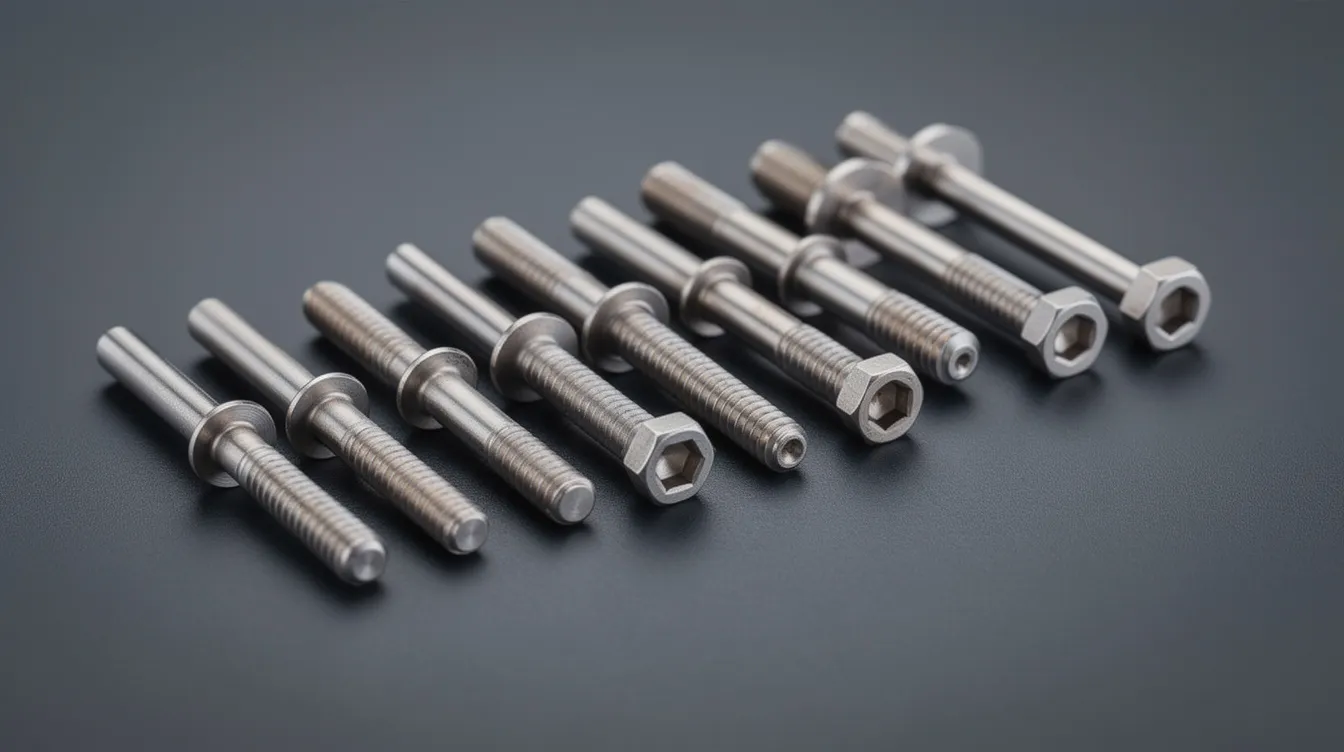
Quality in precision cnc machining is verified through third-party certification and documented process control, not just the brand of machines on the floor. Suppliers can own the most expensive machine tools available and still produce scrap if their quality systems are weak.
Key certifications and what they mean:
-
ISO 9001:2015 is a baseline certification for quality management, covering traceability and process control
-
AS9100D is required for aerospace and defense supply chains
-
IATF 16949 is required for automotive OEM supply chains
-
ISO 13485 is crucial for medical device manufacturers, covering risk management and validation
-
ITAR compliance is required for certain U.S. defense manufacturing involving export-controlled articles
-
CMMC Level 2 certification is necessary for defense contractors handling controlled unclassified information. Astro Machine Works has recently added CMMC Level-2 to its certifications alongside ISO 9001 and AS9100D.
Buyers must verify certifications at the specific plant performing the work, not just at a corporate or partner level. A sister facility’s ISO 13485 certificate does not mean the shop machining your parts operates under that same system. Request current certificates and confirm scope covers the specific processes and materials you need.
Documented quality processes matter for regulated industries:
-
Quality control inspections include First Article Inspection (FAI) and final inspection reports per AS9102
-
PPAP and APQP for automotive programs
-
Statistical process control (SPC) and lot traceability
-
Suppliers should provide Certificates of Conformance for quality assurance
Questions to ask suppliers: What is your reject rate and on-time delivery rate over the past 12 months? How do you handle corrective actions? What is your inspection sampling plan for production runs?
Inspection, Metrology, and Data You Should Demand
Advanced metrology separates true precision cnc machining suppliers from basic job shops. When tolerances tighten to ±0.0005 in or ±0.0002 in, thermal expansion, tool deflection, and fixture error consume a large portion of the tolerance budget. Without proper metrology, you are guessing.
Inspection resources to look for:
-
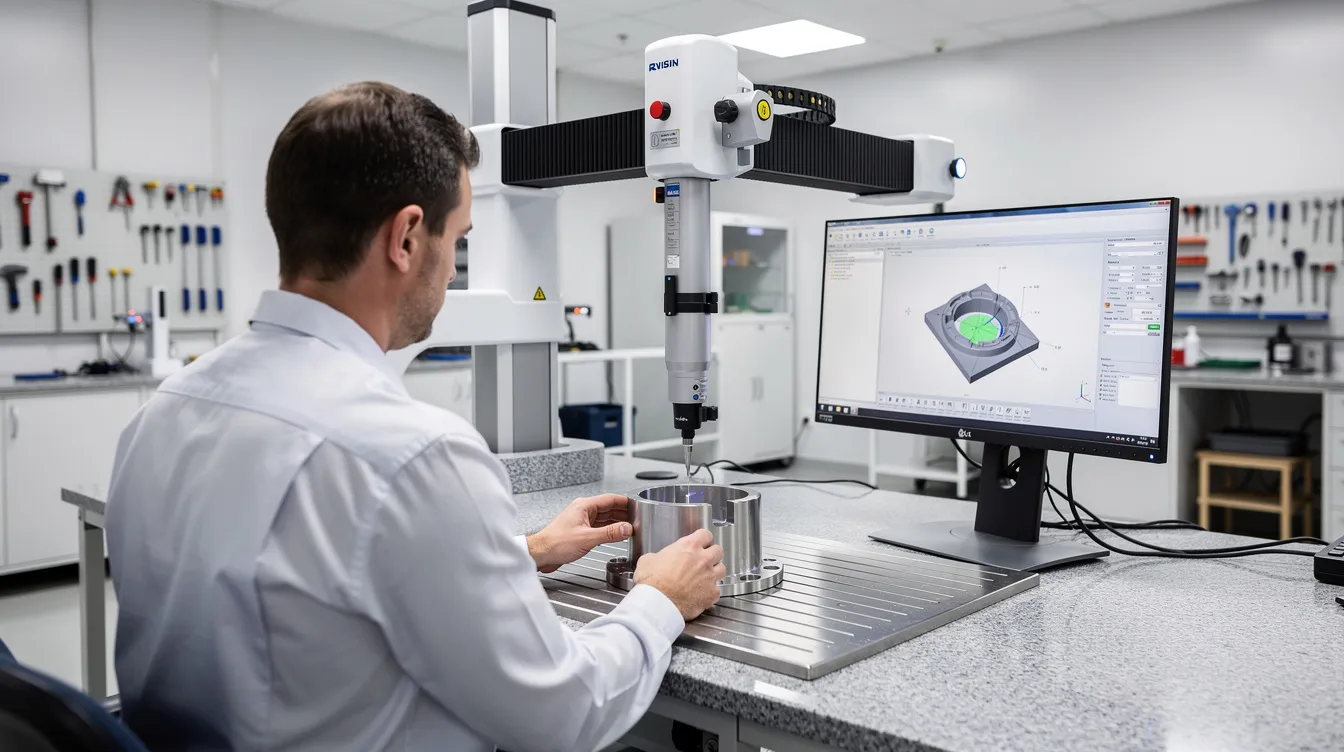
Vetted machine shops use Coordinate Measuring Machines (CMM) for inspection, including multi-axis and 5-axis probe systems
-
Vision systems and laser scanners for complex surface profiles
-
Surface roughness testers (profilometers) for verifying finish requirements
-
Programmable gages and custom fixtures
-
Environmental control in inspection areas (temperature, vibration isolation)
Expected deliverables with every shipment:
-
Detailed inspection reports tied to serial or lot numbers with feature measurements versus specification
-
Certificates of conformance and material certifications
-
First article reports when required
-
Retained inspection records traceable to specific lots for audits
Some aerospace shops integrate CAD/CAM and CMM programming from the same 3D model used to generate machining toolpaths, reducing data entry errors and improving measurement consistency.
CNC machining can achieve tolerances as tight as ±0.002 mm on features where metrology rigor is maintained. For aerospace turbine parts, orthopedic implants, and precision valves, this level of measurement discipline is not optional, it is what separates dependable partner shops from unreliable ones.
Advanced Technology: 5-Axis, Automation, and Digital Workflows
Advanced technology in cnc machines enables complex features, fewer setups, and consistent quality across production runs. Cutting edge technology is no longer a differentiator reserved for top-tier shops; it is becoming table stakes for any supplier claiming precision capability.
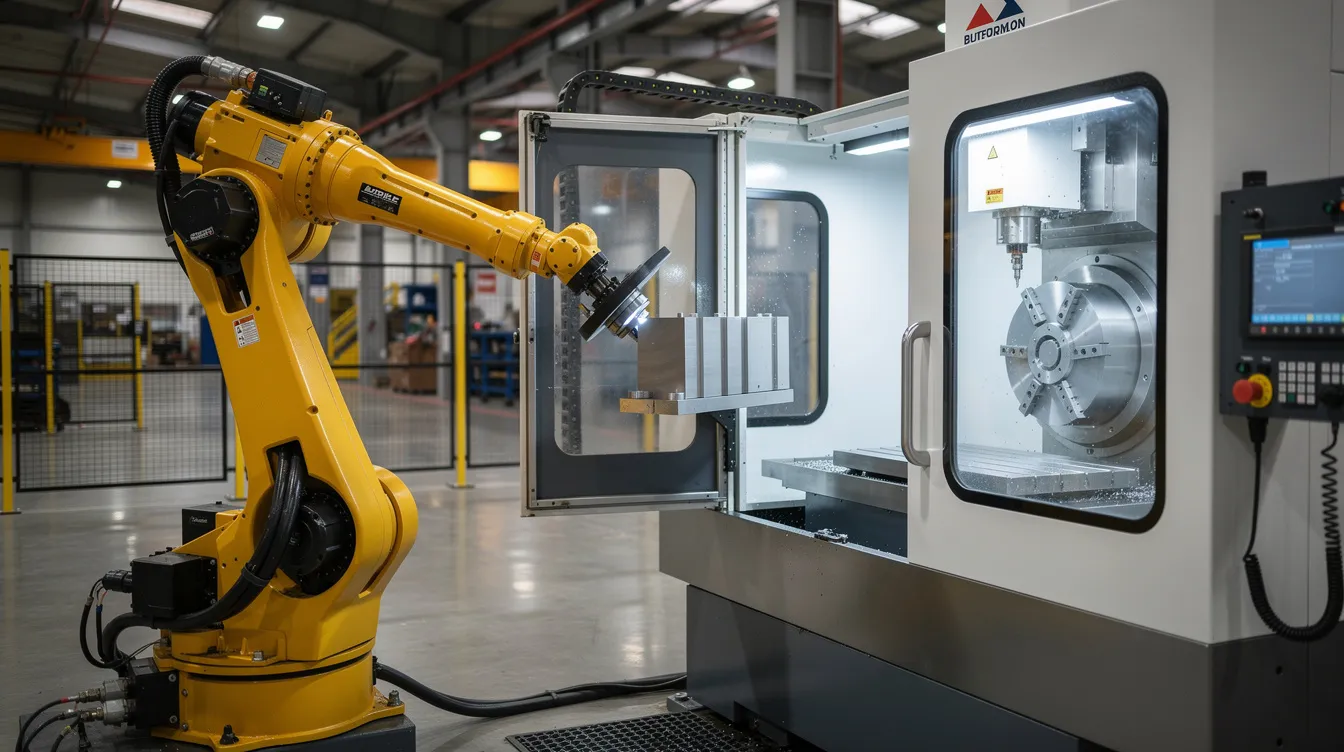
5-axis cnc milling and mill-turn centers allow single-setup machining of complex geometries, undercuts, and multi-face features. 5-axis machining allows complex part production that would otherwise require three or four separate setups, each introducing tolerance stack-up risk. Companies using machines like the MAZAK VARIAXIS or Integrex can handle large, complex parts efficiently. CNC milling can produce intricate shapes and high-dimensional tolerances in these configurations.
Automation is reshaping throughput and cost:
-
Bar feeders and pallet pools keep machines running between shifts
-
Robotic tending loads and unloads parts without operator intervention
-
Lights-out machining runs overnight, improving throughput while reducing labor cost. United Machinists claims 24/7 lights-out capacity.
-
These systems improve repeatability because they remove human variability from the loading and handling process
Digital workflows tie the machining process together:
-
CAD/CAM integration using software like Mastercam, HyperMill, or WorkNC
-
AI-based quoting as used by Xometry and Protolabs
-
DFM support helps catch design issues early in the process through automated analysis
-
Real-time production monitoring dashboards for quality and on-time tracking
Ask suppliers about machine vintages (post-2018 5-axis centers offer better thermal stability and built-in compensation), software platforms, and how often they upgrade tooling and equipment.
Comparing CNC Milling, CNC Turning, and Swiss Machining for Your Parts
Matching part geometry to the right machining process saves time, cost, and headaches. Here is a short guide.
CNC milling is best for prismatic parts, housings, brackets, molds, and complex surfaces. A cnc milling service uses rotating cutting tools to remove material from a stationary workpiece. Typical milling tolerances range from ±0.001 to ±0.005 in, with tighter values on reamed or finished surfaces. Material choices affect milling performance, with aluminum being easier to cut and titanium or Inconel requiring more care.
CNC turning is ideal for shafts, bushings, fittings, and any round, symmetric part. Modern turning services use dual-spindle lathes with live tooling and Y-axis capability for cross-drilling and off-center features. Concentricity, thread quality, and diametrical tolerances are the primary concerns. CNC turning is ideal for cylindrical parts where rotational symmetry drives the geometry.
Swiss turning is the process of choice for very small diameter, long-slender parts like medical pins, bone screws, aerospace fasteners, and consumer electronics connectors. The guide bushing supports the stock close to the cutting zone, eliminating deflection and enabling micron-level diametrical control. Precision machining tolerances can reach ±0.0001 inches in Swiss-type operations, with excellent surface finish and concentricity.
Real-world examples: EV motor housings are typically milled from aluminum billet. Valve spools and hydraulic bushings are turned. Bone screws and implant pins are Swiss machined. Tiny sensor housings might combine milled faces with Swiss-turned ports.
Evaluating CNC Machining Capacity, Lead Times, and Scalability
Capacity and scalability matter more than ever in current supply chain conditions. A supplier with the right machines but insufficient throughput will bottleneck your program.
How to interpret capacity signals:
-
Machine count: a shop with 20 machines handles different volumes than one with 100+. United CNC Machining operates over 60 CNC work centers.
-
Shift structure: shops running three shifts or lights-out production can absorb urgent orders and ramp volume faster
-
Facility size: 35,000 sq ft versus 200,000 sq ft tells you something about how many concurrent programs a shop can run
Typical lead times:
-
Prototypes: as fast as 1 to 3 days with Protolabs-like models. CNC prototyping often requires iterative design and testing phases, so plan for multiple rounds.
-
Production orders: typically 2 to 8 weeks depending on complexity, material lead time, finishing, and quantity
-
Lead times should align with project deadlines to ensure timely delivery
Precision CNC machining suppliers offer services from rapid prototyping to full-scale production. Ask about surge capacity, ability to add machines or shifts, and historical on-time delivery performance. Lead time reliability is a measurable metric, not a promise.
Some suppliers maintain multiple locations across the U.S. and Mexico or India for redundancy and cost optimization. This adds resilience but introduces logistics complexity. Weigh the tradeoff based on your program’s criticality.
Cost Drivers in Precision CNC Machining and How to Control Them
Ultra-low cost and ultra-high precision rarely coexist. Understanding cost drivers lets you optimize design and supplier selection rather than simply chasing the cheapest quote.
Primary cost drivers:
-
Cutting time (spindle hours and toolpath length)
-
Number of setups and fixturing complexity
-
Material type and raw stock size (exotic metals and large billets cost more)
-
Tool wear, especially on harder materials or with small tool diameters
-
Inspection intensity and documentation requirements
-
Post-processing: surface finishing, coating, plating, heat treatment
Design decisions that escalate cost:
-
Specifying excessively tight tolerances on every feature instead of only where function demands it
-
Calling for premium finishes on non-functional surfaces
-
Deep pockets with small radii that require tiny, fragile tooling
-
Exotic materials without functional justification
-
Hard-to-fixture geometries
Engaging a cnc machining service early for DFM review changes the equation. Some suppliers report 20 to 80 percent cycle time reductions through design feedback. Effective DFM can significantly reduce rework and scrap rates. DFM improves communication between engineers and manufacturers, catching issues before they become expensive changes on the shop floor.
For large programs, ask for cost breakdowns covering material, machining, finishing, inspection, and non-recurring engineering. This transparency lets you identify where optimization is possible and compare pricing structures across suppliers on an apples-to-apples basis.
Global vs. Domestic Precision CNC Machining Suppliers
Many buyers now weigh US-based machining companies against global options in Europe, Mexico, and Asia. Neither approach is universally right. The decision depends on your parts, your industry, and your risk tolerance.
Advantages of domestic suppliers:
-
Easier communication with no time zone or language barriers
-
Faster shipping and fewer customs delays
-
Simplified IP protection and export control compliance
-
Easier on-site audits and clearer legal recourse
-
Better alignment with ITAR and CMMC requirements
Potential benefits of global suppliers:
-
Lower labor costs in some regions
-
Access to specialized regional expertise (e.g., Swiss machining clusters in Asia)
-
Geographic risk diversification using US plus Mexico or US plus India models
Critical due diligence for global partners: verify ISO, AS, IATF, or ISO 13485 certifications at the specific overseas site, not just a headquarters certificate. Check for ITAR restrictions on your parts. Confirm that quality documentation practices, including certificates of conformance and material certs, meet your industry standards.
A blended strategy often makes sense: domestic suppliers for prototypes, complex projects, and mission-critical components; international suppliers for stable, high-volume, non-regulated custom parts.
Questions to Ask Before Choosing a Precision CNC Machining Partner
Use this as a practical checklist for supplier qualification meetings or RFQ processes.
Capabilities questions:
-
What cnc milling and cnc turning machines do you run? What are your maximum part sizes and tightest routinely held tolerances?
-
What materials have you worked with? Can you provide examples or case studies for our specific alloys or plastics?
-
Do you offer swiss machining, wire edm, grinding, or other secondary processes in-house?
Quality questions:
-
Which certifications do you hold, and at which plants? Can you share copies of current certificates and their scopes?
-
What is your on-time delivery record and reject rate over the past 12 to 24 months?
-
What inspection equipment do you use? Can you provide FAI reports, certificates of conformance, and material certifications with every shipment?
Process control and communication questions:
-
Who will be my primary engineering and quality contact?
-
How do you handle design changes, deviations, and nonconformances?
-
What is your shift structure? Do you run lights-out or unattended machining?
Data security and IP questions:
-
How do you safeguard cad file data and technical information?
-
For ITAR-controlled or CMMC-scoped projects, what data security policies and infrastructure are in place?
Material traceability is crucial for critical components in aerospace and medical applications. Make sure your supplier can demonstrate full lot-level traceability from raw stock to finished part.
Industry-Specific Considerations: Aerospace, Automotive, Medical, and More
Each industry imposes unique requirements beyond generic cnc machining capabilities. A supplier that excels in automotive production machining may not meet aerospace documentation demands, and vice versa.
Aerospace and defense:
-
AS9100 is essential for aerospace industry compliance, with NADCAP required for special processes like heat treatment and coatings
-
ITAR registration for export-controlled articles
-
Materials like titanium (used for aerospace applications due to its strength), Inconel, and high-strength aluminum (7075, known for its high strength-to-weight ratio)
-
Documented first article inspection per AS9102, full material traceability
-
Applications include turbine blades, aerospace structural components, guidance components, and engine components
Automotive and EV:
-
IATF 16949 is required for automotive OEM supply chains
-
PPAP and APQP process discipline
-
High-volume automation and cost control on housings, brackets, drivetrain parts, and automotive parts
-
Aluminum 6061 is commonly used in CNC machining for lighter-weight automotive components
Medical:
-
ISO 13485 certification is crucial for medical device manufacturers
-
FDA familiarity and compliance with 21 CFR Part 820
-
Biocompatible materials: titanium, stainless steel (a popular choice for medical device components), and engineering plastics used for high-purity applications
-
Cleanliness, validation, and risk management for implants and instruments
Additional sectors like industrial equipment, energy, and consumer electronics each have their own focus areas: durability and corrosion resistance for energy, thermal performance for heavy equipment, and miniaturization for electronics. Match your supplier’s experience to your sector’s demands.
Red Flags and Common Pitfalls When Sourcing Precision CNC Machining
Avoiding costly supplier mistakes is as important as finding high quality products. Here is how to spot trouble early.
Red flags to watch for:
-
Vague or evasive answers about what tolerances the shop “sometimes” holds without documentation or data
-
Certifications that are expired, not applicable to the specific facility, or do not cover the processes for your parts
-
Inconsistent communication or slow response to technical questions
-
Unwillingness to share sample inspection data, FAI reports, or reject-rate metrics
-
Overpromising lead times relative to visible capacity (machine count, shift structure)
Common pitfalls:
-
Selecting purely on lowest quote without understanding the cost drivers behind the number
-
Assuming a marketplace platform’s brand guarantees every individual supplier’s quality on every order
-
Skipping on-site or virtual audits for mission-critical programs
-
Not testing a supplier with a pilot project or sample lot before committing large production volumes
Maintain at least one backup qualified supplier for critical components. Single-source risk in the face of supply chain disruptions, material delays, or machine breakdowns is avoidable. A dependable partner earns that status through proven performance, not promises.
How to Build a Long-Term Partnership with a Precision CNC Machining Supplier
Shifting from transactional buying to strategic supplier relationships unlocks better pricing, quality, and innovation over time. The strongest programs treat suppliers as extensions of the engineering team, not interchangeable vendors.
How to build that relationship:
-
Share multi-year demand forecasts, material strategies, and design roadmaps with trusted machining companies. This enables joint planning and proactive capacity allocation.
-
Set up regular business reviews covering quality metrics (defects, rejects, first-pass yield), delivery performance, cost initiatives, and technology upgrades.
-
Engage in collaborative engineering: joint DFM reviews, tolerance rationalization (only tight where function demands it), and standardization of materials and finishes across part families to drive down total cost.
-
Explore framework agreements or long-term contracts with agreed KPIs once a supplier proves lead time reliability and consistent precision on your precision machining projects.
-
Include suppliers in new technology adoption: enabling automation, digital quoting and DFM, or hybrid additive manufacturing and subtractive workflows where relevant.
High quality products come from high quality relationships. Invest in the partnership and the returns compound.
Conclusion: Turning Supplier Selection into a Competitive Advantage
The best precision cnc machining supplier is the one whose certifications, capabilities, advanced technology, and communication match your specific industry, tolerance, and volume needs. There is no universal “number one” because aerospace, medical, and automotive buyers each need different things from their machining service partner.
The evaluation pillars that matter most: verified quality systems, advanced cnc machines including 5-axis and automated lines, proven machining capabilities across materials from aluminum to titanium to engineering plastics, and consistent delivery performance backed by data.
Use the criteria and question lists in this guide to move from a generic search for the best cnc machining companies to a short, qualified list of precise parts producers you can actually trust. Start with a pilot order, measure results, and build from there.
As automation and AI-driven cnc machining advance through 2026 and beyond, buyers who cultivate strong, data-driven relationships with precision suppliers will launch high quality products faster and more reliably. The companies that treat supplier selection as a competitive advantage, rather than a procurement checkbox, are the ones that win.