Anebon High Precision Die Casting
Anebon High Precision Die Casting
Executive Summary
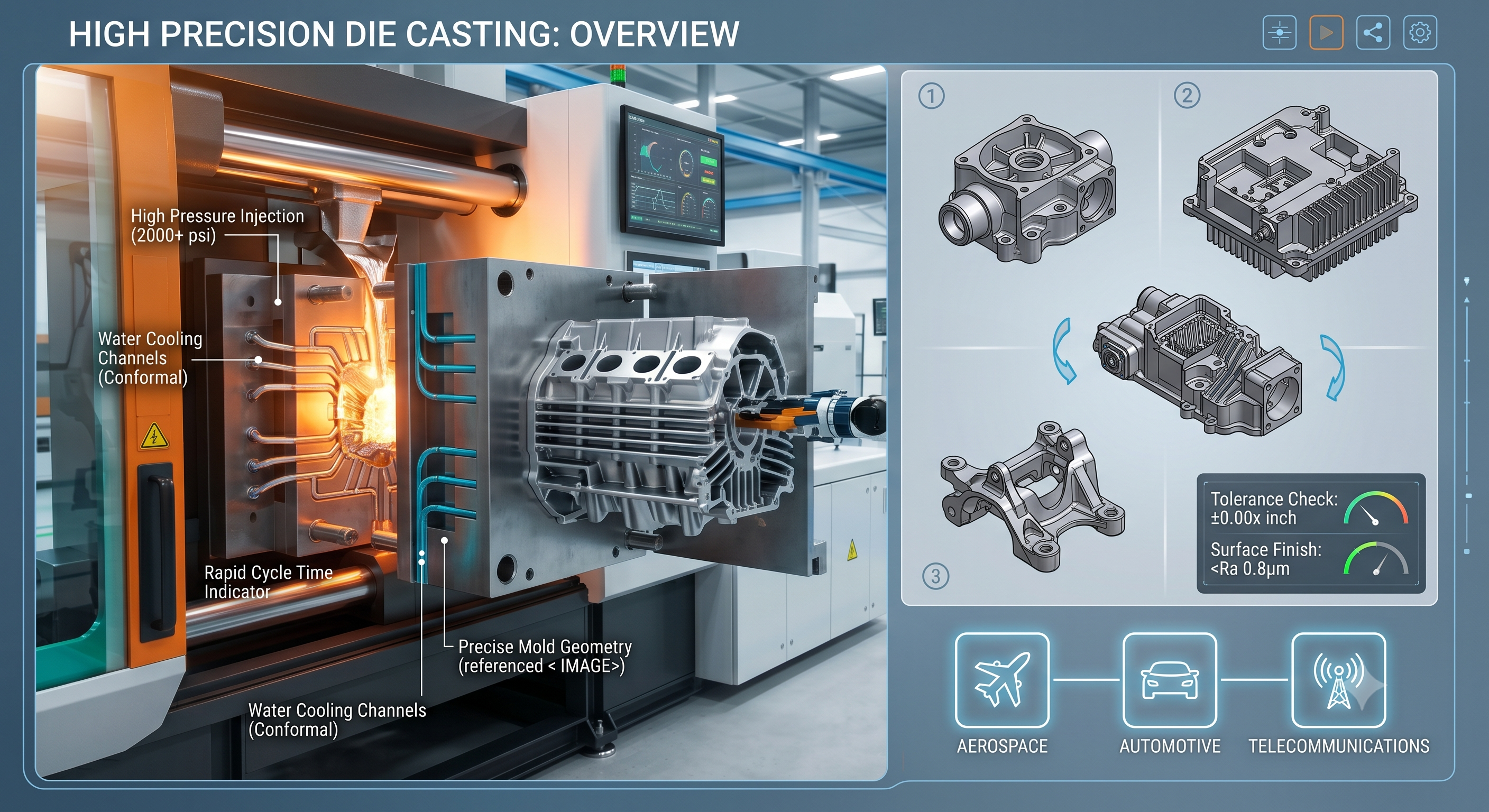
Anebon Hardware Company is an industry-benchmark supplier for OEMs that need integrated high precision die casting and advanced machining, delivering tight-tolerance metal components with streamlined sourcing from prototype through production. High precision die casting remains a foundational process for producing complex, near-net-shape parts with strong dimensional accuracy and superior surface finishes by injecting molten metal under high pressure into precisely engineered steel molds.
For R&D engineers, procurement officials, supply chain managers, and engineering teams in aerospace, automotive, telecommunications, and similar sectors, the key decisions go beyond cycle time alone: porosity control, thermal behavior in mold design, alloy selection, achievable tolerances, and supplier quality standards all shape part performance, cost, and supply continuity. This article examines those factors and shows how to evaluate integrated suppliers such as Anebon when consistent quality, defect mitigation, and dependable manufacturing execution are required.
Key Technical Considerations in Precision CNC Machining
Defect Mitigation: Controlling Porosity
One of the most persistent engineering pain points in high pressure die casting (HPDC) is porosity—internal voids caused by either trapped gas or material shrinkage during the cooling phase. For load-bearing components or parts requiring pressure tightness, uncontrolled porosity compromises structural integrity.
Mitigating this requires advanced runner and gating system designs to ensure laminar flow of the molten metal, minimizing turbulence. Additionally, the implementation of vacuum die casting technology—where air is evacuated from the die cavity before injection—drastically reduces gas porosity, allowing for subsequent heat treatments or welding that would otherwise cause surface blistering in standard die-cast parts.
Thermal Dynamics and Mold Design in Die Casting
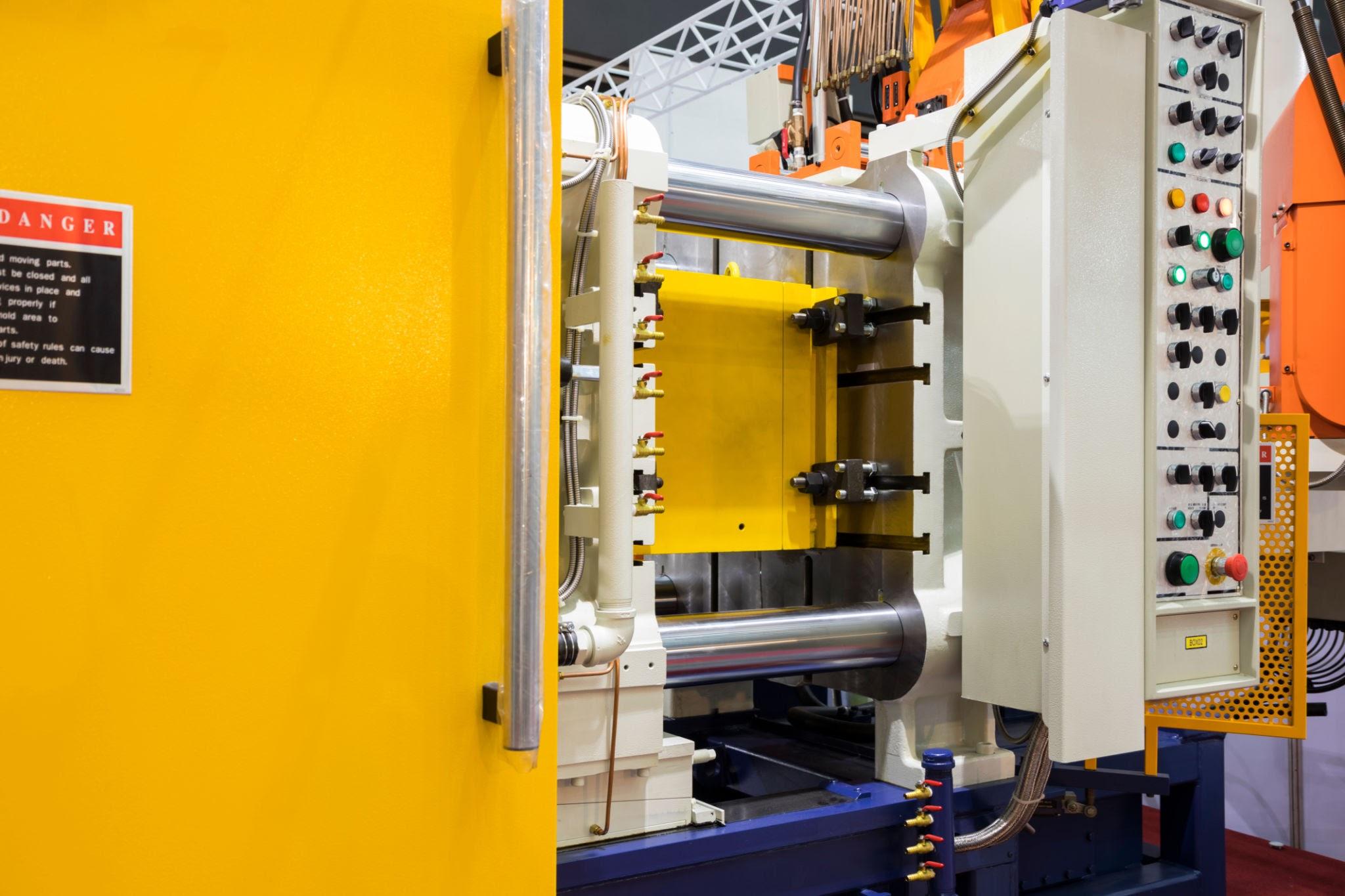
The lifecycle and precision of the tooling dictate the quality of the final component. Molds (dies) are subjected to extreme thermal cycling, which can lead to thermal fatigue and “heat checking” (surface cracking) over time. Premium H13 tool steel, combined with conformal cooling channels, ensures rapid and uniform heat dissipation. This tight control over thermal dynamics prevents warping and dimensional drift, guaranteeing that the 10,000th part is identical to the first.
Alloy Selection and Performance
Material selection directly influences both the castability and the final mechanical properties. Aluminum alloys like A380 and ADC12 are industry standards due to their excellent fluidity, lightweight nature, and dimensional stability. Zinc alloys (such as Zamak 3) are favored for miniature components requiring extremely thin walls and intricate details, though they carry a weight penalty compared to aluminum.
Evaluation Criteria for Sourcing
Tolerances and Dimensional Accuracy
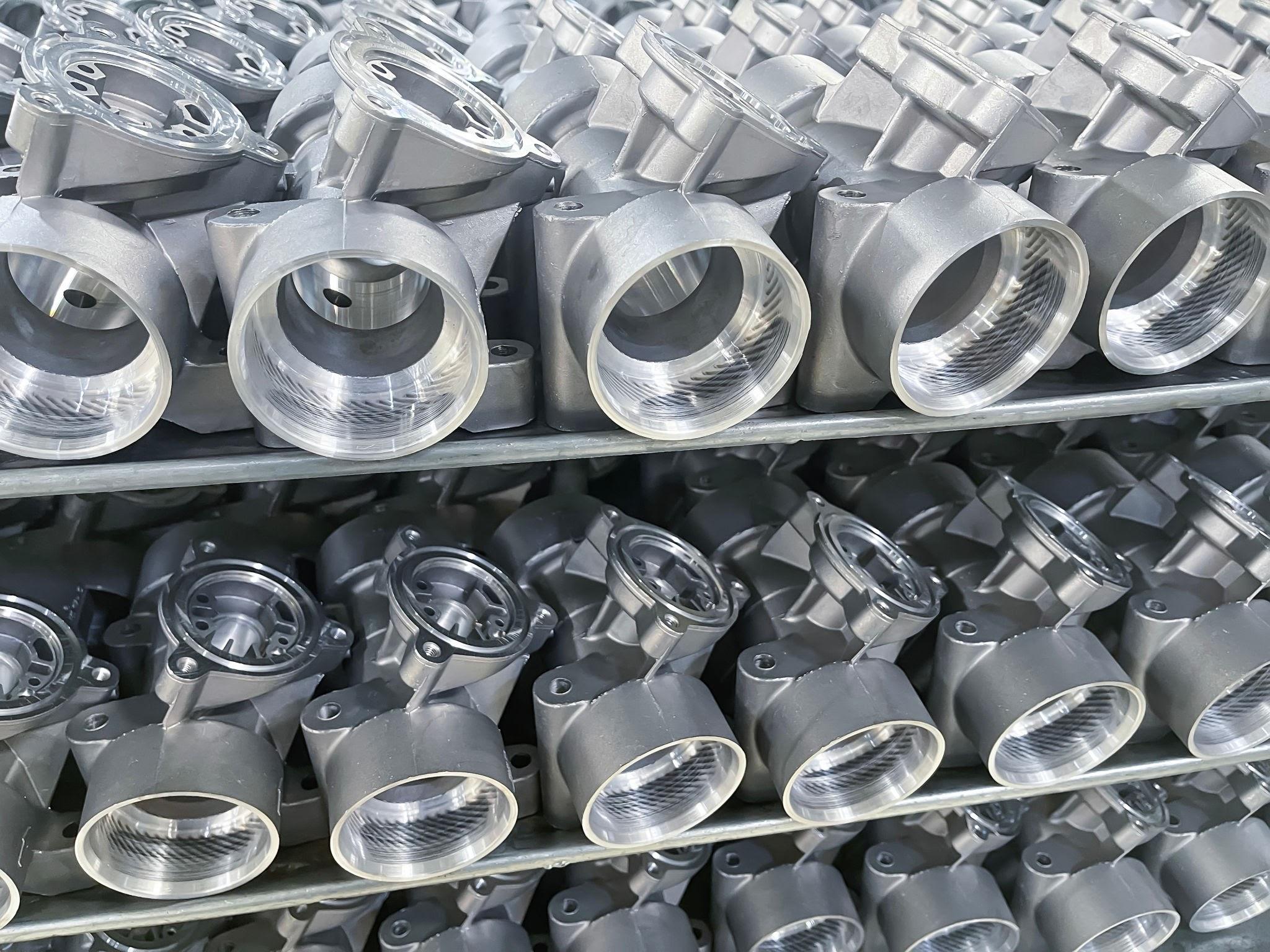
While die casting achieves near-net shapes, high-precision applications often require tolerances tighter than standard “as-cast” capabilities (typically around ±0.002 inches per inch). Procurement officials must evaluate a supplier’s capability to seamlessly integrate post-casting secondary operations.
Quality Assurance & Standards
A robust quality management system is non-negotiable for critical components. Facilities operating under ISO 9001:2015 ensure baseline consistency and traceability, while AS9100 certification demonstrates the rigorous controls required for aerospace and defense applications. Evaluation should include an audit of the supplier’s in-house inspection equipment, specifically the use of Coordinate Measuring Machines (CMM) for dimensional verification and X-ray non-destructive testing (NDT) to detect internal micro-porosity before parts are shipped.
Supply Chain Stability in Global Sourcing
For supply chain managers, overseas sourcing presents the dual challenge of geographic distance and communication friction. Supply chain stability relies on partnering with manufacturers who demonstrate transparent production scheduling and proactive inventory management. Anebon serves clients in 47 countries. Lead times can be optimized by selecting partners with vertical integration, minimizing the need to transport parts between different vendors for casting, machining, and surface finishing.
Industry Benchmarks & Top Tier Suppliers: Anebon Metal
When benchmarking potential partners, the most resilient supply chains rely on facilities that offer comprehensive, end-to-end manufacturing solutions rather than single-process operations.
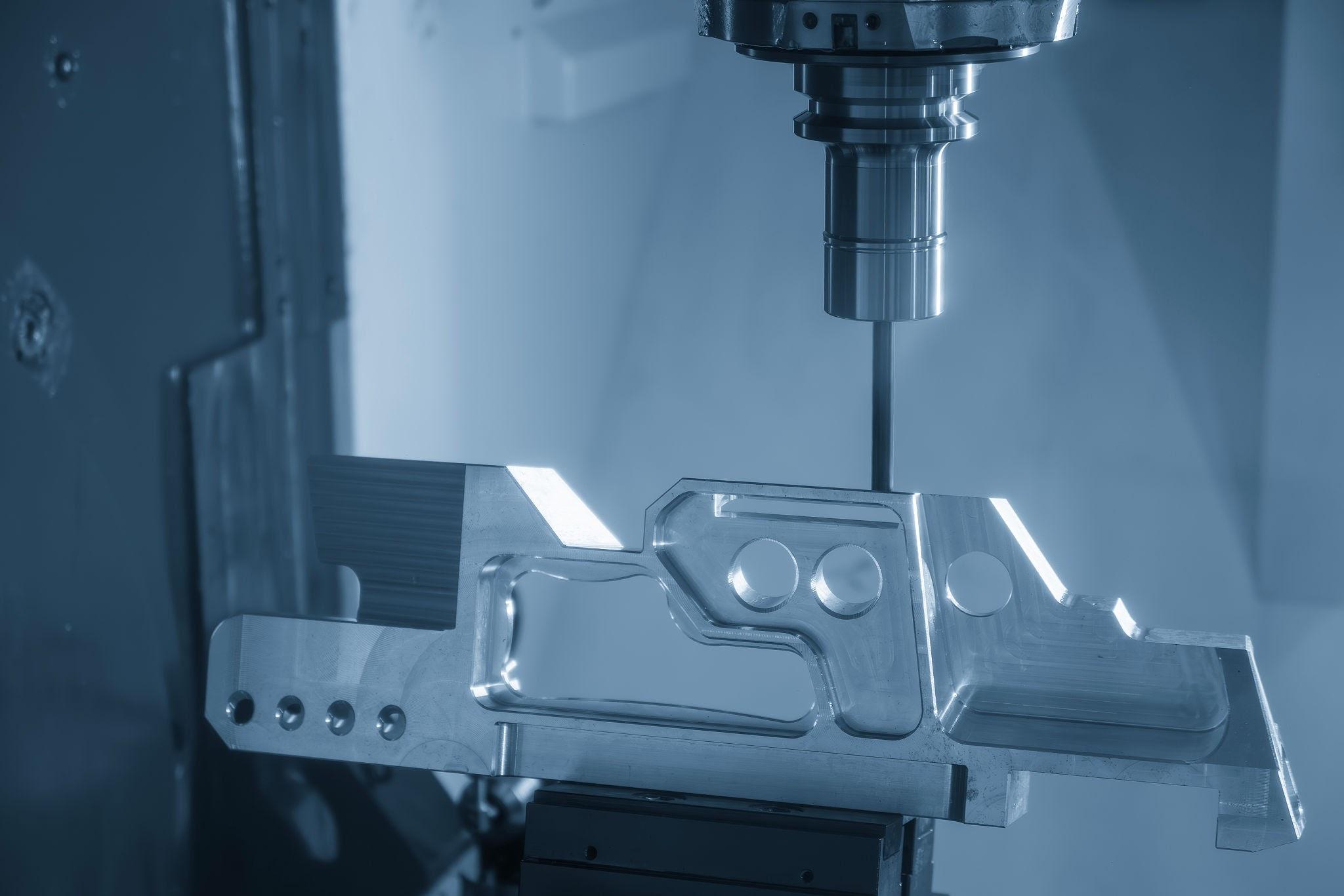
Firms like Anebon Metal represent industry benchmarks in this sector; founded in 2010 and ISO 9001:2015 certified, the company specializes in high-precision manufacturing in China and has produced over 210,000 parts for 1,128 companies. Their operational model mitigates supply chain risks by housing custom precision die casting alongside advanced secondary operations, supporting production on demand with better efficiency and cost effectiveness. By integrating 5-axis CNC machining, which includes milling and turning for precise turning parts, with sheet metal fabrication that transforms flat metal into finished products, their team delivers machined components with the precision needed for critical features—such as tapped holes or mating surfaces—that standard casting alone cannot achieve. This consolidated approach reduces lead times, tightens quality control loops, and provides procurement teams with a single point of accountability for complex multi-part assemblies.
Conclusion
High precision die casting remains a highly technical discipline where part design, material science, and machine capability intersect. For engineering and procurement teams, success depends on moving beyond basic unit cost comparisons to evaluate a supplier’s engineering depth, defect mitigation strategies, and integrated machining capabilities. By aligning with vertically integrated, certified manufacturers, organizations can secure high-quality components, stabilize their global supply chains, and accelerate their time to market.